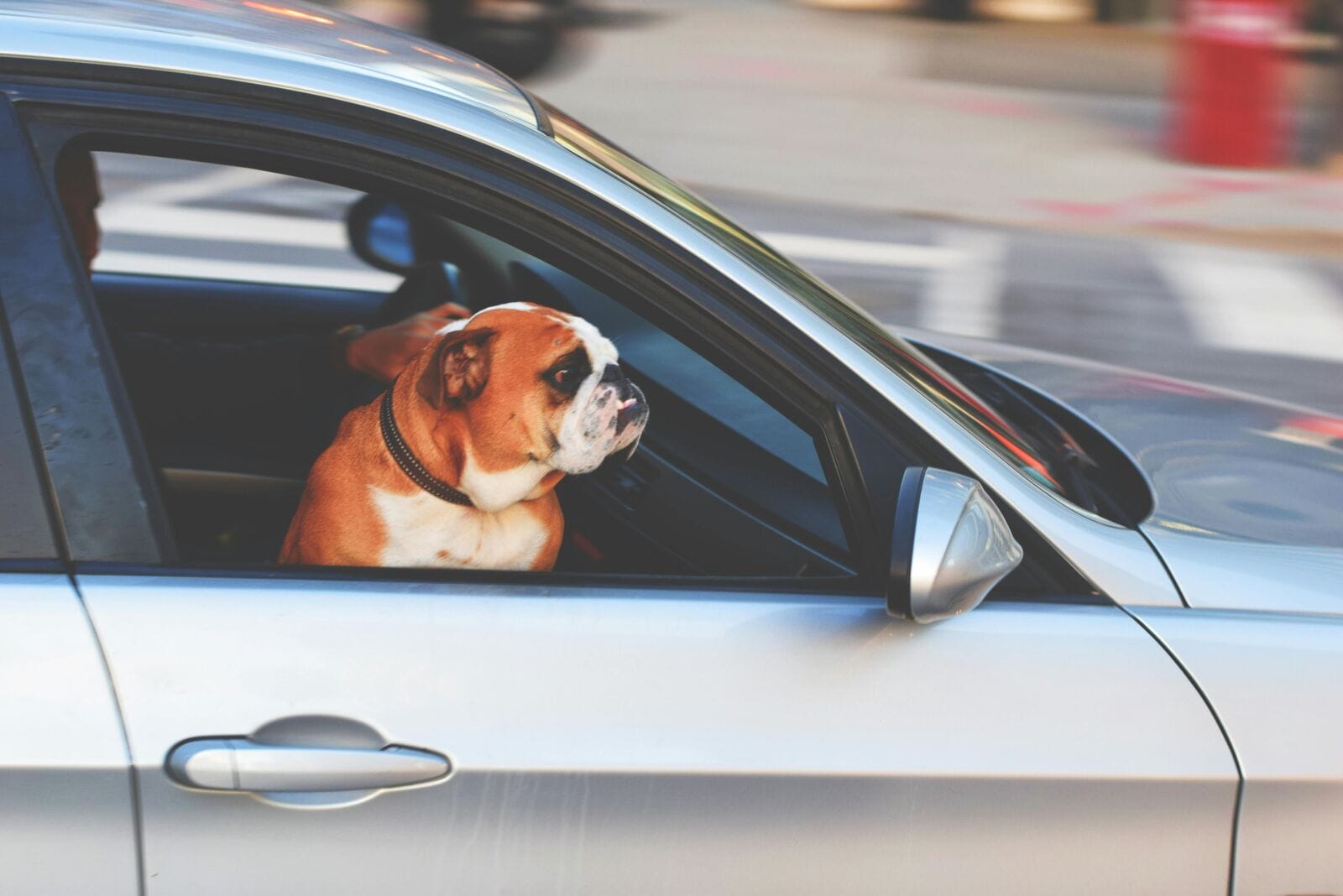
Traveling with dogs has become far more common in recent years. From weekend road trips to cross-country flights, more pet owners are choosing to bring their dogs along rather than leave them behind.
The rise of pet-friendly hotels, outdoor dining spaces, and vacation rentals has made that easier than ever. Still, traveling can disrupt a dog’s normal routine. Long hours in the car, unfamiliar environments, hot temperatures, and changes in activity levels can affect your pup’s comfort and health.
A little preparation before your trip can make the experience smoother for everyone involved. Here are a few practical ways to help keep your dog healthy, comfortable, and relaxed while traveling.
Schedule a Vet Visit Before You Leave
Before any major trip, schedule a quick checkup with your veterinarian, especially for older dogs, puppies, or pets with existing health conditions.
This visit gives you the opportunity to:
- Confirm vaccinations are current
- Refill medications
- Discuss motion sickness or travel anxiety
- Ask about flea, tick, or heartworm protection based on your destination
If you’re flying or crossing international borders, you may also need health certificates or updated medical records. Having those prepared ahead of time helps avoid unnecessary stress close to departure.
Pack a Dedicated Travel Kit for Your Dog
Experienced travelers know that organization matters, and the same applies when traveling with pets. Keep your dog’s essentials in one easy-to-access bag to save time during long drives or airport layovers. A well-stocked travel kit should include:
- Food and treats
- Portable water bowls
- Waste bags
- Leash and harness
- Medications
- Grooming wipes or towels
- A basic pet first-aid kit
Comfort items also make a difference. Familiar blankets, toys, or bedding can help dogs settle into unfamiliar environments more easily.
Prioritize Hydration During Long Trips
Hydration is one of the most overlooked parts of pet travel. Dogs become dehydrated faster on travel days, particularly in warmer climates like Arizona, and during outdoor activities like hiking. Dry air during flights and long hours inside vehicles can also contribute to dehydration.
Give them water regularly throughout the trip, even if your dog doesn’t seem thirsty. You’ll need portable travel bowls and spill-resistant water containers to make this much easier while on the move.
For active dogs, some pet owners also use wellness supplements designed to support hydration, energy, and recovery during travel. For instance, targeted supplements from Pup Labs are increasingly popular among parents who travel frequently with their dogs. Their natural, high-quality supplements are made with only the purest ingredients, ensuring that your dog stays in peak condition no matter where your travels take you.
Don’t Ignore Joint Health
Travel can be physically demanding for dogs, especially seniors or larger breeds.
Repeated jumping into vehicles, walking on pavement for extended periods, or spending hours in one position can leave some dogs stiff and uncomfortable. Give your dog regular breaks during road trips to help reduce strain and give them time to stretch and move around naturally.
If your dog is already dealing with mobility issues, use supportive bedding and veterinarian-approved joint supplements to improve comfort during longer trips.
Flying With Your Dog Requires Extra Preparation
Air travel can be stressful for pets if you wait until the last minute to prepare.
Every airline has different policies regarding pet carriers, documentation, and cabin travel restrictions, so reviewing those requirements well ahead of your departure date is important.
Before flying:
- Choose an airline-approved carrier
- Avoid feeding large meals immediately before departure
- Allow time for exercise before check-in
- Pack familiar items to reduce anxiety
Some dogs handle flying comfortably, while others may need additional support or training beforehand. Your veterinarian can help determine what’s best based on your dog’s temperament and health history.
Road Trips Are Easier With a Routine
Dogs generally adapt well to road trips when they have consistency.
Frequent stops for bathroom breaks, short walks, and water can help reduce stress during long drives. Many vets also recommend avoiding sudden changes to feeding schedules whenever possible, as dietary disruptions can cause stomach issues while traveling.
If your trip includes outdoor activities, pay attention to signs of fatigue or overheating. Even highly active dogs can become exhausted more quickly in unfamiliar environments or high temperatures.
Give Your Dog Time to Recover After Travel
Once you arrive, allow your dog time to adjust before jumping into a packed itinerary.
Some dogs settle in immediately, while others may need a quiet place to decompress after a long journey. Maintaining familiar feeding routines, exercise schedules, and sleep arrangements can help them adapt faster.
Travel can be exciting for pets, but recovery matters too, especially after flights, extended driving, or physically demanding activities.
Final Thoughts
Traveling with your dog can be an enjoyable experience with the right preparation. Paying attention to hydration, mobility, comfort, and routine helps reduce stress and keeps your pet feeling their best throughout the trip.
As more destinations continue embracing pet-friendly travel, thoughtful planning remains one of the best ways to make every trip safer and more enjoyable for you and your furry friend.