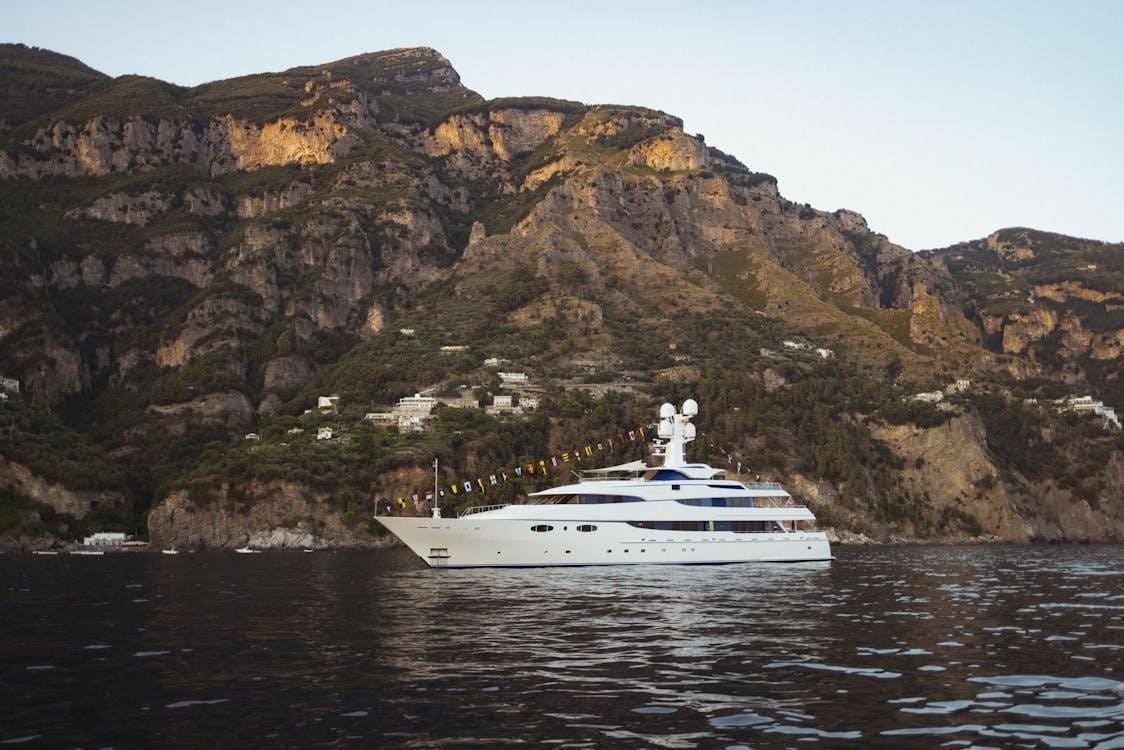
Somewhere between the third back-to-back call of the week and a sandwich eaten over a keyboard, the idea of drifting through open water with zero obligations stops being a daydream and starts feeling like a legitimate survival strategy. Private yacht travel has long carried a reputation for being out of reach — and honestly, for the highest tier of the market, it still is. But the middle ground has expanded quietly over the past ten years or so, and more people than you’d expect are pulling it off without generational wealth behind them.
That said — and this part is worth taking seriously — planning a yacht trip is nothing like booking a villa or a boutique hotel. The decisions are more layered, the costs are less predictable, and the consequences of choosing wrong are significantly harder to escape. Literally.
Size isn’t the right starting point
Most people browsing yachts to rent instinctively filter by length first. Bigger = safer, better, worth it. It’s a logical instinct. It’s also usually wrong.
Put a couple and two friends on a 28-meter yacht with a full crew, and it stops feeling luxurious — it just feels excessive. Coastal day sailing with a small group? A 38–42 foot sailboat with a captain handles that beautifully. Two-week island hop with six adults who want proper private cabins, air conditioning, and someone to cook? Different category entirely.
The most common charter duration is seven days. Not a coincidence — it’s long enough to actually decompress, short enough that most itineraries hold together.
The budget math, done honestly
The range here is almost comically wide. A bareboat charter — meaning you or someone in your group holds a sailing qualification and there’s no professional crew — might run €1,500 to €3,000 a week in the eastern Adriatic during shoulder season. A crewed 22-meter motor yacht in the Cyclades in August is a different universe: €25,000 to €45,000 per week, base rate, before a single bottle of wine is opened.
What catches people off guard is the APA — Advance Provisioning Allowance. It sounds like industry jargon, and it is, but what it means in practice is an upfront payment of 30–40% of the charter fee to cover running costs:
- Fuel
- Provisioning
- Port dues
- Crew gratuities
That last one isn’t optional in any meaningful sense — standard gratuity runs 10–20% of the base charter fee. Platforms like GetBoat have done a reasonable job making this less opaque, with listings that at least attempt to distinguish what’s included from what isn’t.
The crew question
On a crewed charter, the crew isn’t background scenery. They’re in your space, anticipating what you want, making judgment calls about your day — all day, every day, for a week.
- Ask about the captain’s time in the region — someone who’s spent years in the Dodecanese reads the wind, the water, and the coves almost instinctively
- Make sure dietary requirements are agreed with the chef before contracts are finalized
- Crew reviews, where available, are worth reading in full. The yacht’s spec sheet matters less than the people running it.
The administrative layer
Less romantic, but real: depending on the charter region, there’s paperwork. Most Mediterranean countries require a cruising permit or transit log, and some — Turkey and Montenegro come to mind — have specific documentation requirements for every person on board. Port fees vary and are usually paid as you go.
The yacht’s hull insurance is the charter company’s responsibility. What guests typically need to sort independently is trip cancellation coverage, especially given that most charter contracts have non-refundable terms after a certain window closes.
What actually makes it worth it
The guests who get the most out of these trips tend to share one habit: they stop performing vacation and just… have one. That sounds obvious until you’re anchored somewhere off the Kornati islands, the engine is off, and you catch yourself refreshing email for no reason.