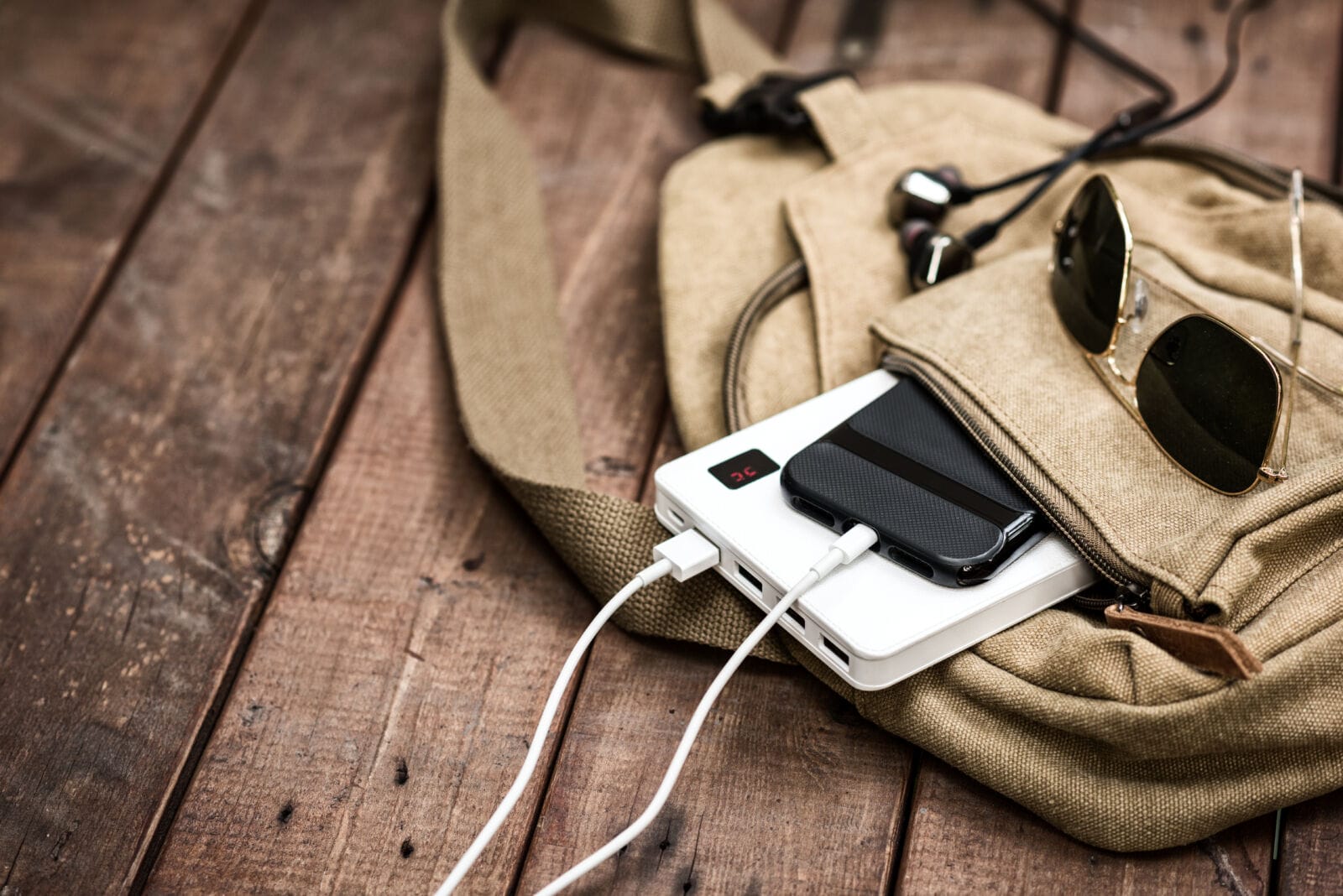
In the fast-paced American tech landscape of 2026, the question of whether a usb c power bank is worth the investment has been settled by the sheer reality of our daily hardware. For anyone carrying a modern iPhone, this accessory has transitioned from a niche convenience to an absolute baseline requirement. Ever since Apple fully retired the Lightning port and embraced universal standards, the synergy between your smartphone and high-speed portable power has redefined what it means to stay connected on the go.
The shift wasn’t just a minor change in cable shape; it was a fundamental overhaul of how energy moves between our devices. Whether you are navigating the subway in New York, hiking in the Pacific Northwest, or sitting through back-to-back meetings in Silicon Valley, the way you fuel your iPhone determines your productivity and peace of mind.
The End of the Lightning Era
The transition that began with the iPhone 15 has now reached full maturity. As of 2026, the entire Apple mobile ecosystem—from the entry-level models to the Pro Max and Ultra editions—reaches its full potential only when paired with modern hardware. The legacy USB-A “bricks” and slow-charging power banks of the past simply cannot communicate with the advanced power management systems in today’s iPhones.
Choosing a 20000 mAh power bank equipped with the latest Power Delivery (PD) standards is now the gold standard for travelers and power users alike. This specific capacity has become the “sweet spot” in the US market, offering enough overhead to charge an iPhone 15 or 17 Pro four to five times over without adding excessive bulk to your laptop bag or carry-on. In an era where we use our phones for everything from professional 4K video recording to high-end gaming, having a massive reservoir of energy that fits in your hand is the ultimate safety net.
DEEPER DIVE: Read all the Ranking Arizona Top 10 lists here
INDUSTRY INSIGHTS: Want more news like this? Get our free newsletter here
Why Speed is the Ultimate Selling Point
The most immediate benefit of upgrading your gear is the sheer velocity of energy transfer. We live in a world where “slow charging” is no longer acceptable for a modern lifestyle. If your charger takes three hours to fill your battery, it isn’t a tool—it’s a tether.
Real Fast Charging with Power Delivery
Modern iPhones are engineered to pull significant wattage, but they require a specific digital “handshake” to do so safely. This is where USB-PD comes into play. Unlike old-school chargers that took hours to move the needle, a modern USB-C bank can typically juice up an iPhone from 0% to 50% in under 30 minutes. Whether you are catching a flight at LAX or a train in Chicago, those 30 minutes are the difference between a dead device and a phone that lasts until the next morning.
Higher Wattage for Pro Models
As iPhone hardware has evolved, so has its thirst for power. The latest Pro models can now utilize peak wattages ranging from 30W to 45W during wired charging. Using an outdated power bank is essentially “throttling” your $1,000+ smartphone. To get the performance you paid for, your portable charger needs to speak the same high-speed language as your phone’s internal circuitry. A high-wattage USB-C port ensures that even if you only have ten minutes at a coffee shop, you can gain enough percentage points to survive the rest of the afternoon.
One Cable to Rule Them All
The “One Cable” lifestyle is finally a reality. In 2026, the convenience of carrying a single USB-C to USB-C cable for every single device you own cannot be overstated. It represents a level of digital minimalism that was impossible just a few years ago.
Streamlining Your Everyday Carry
Gone are the days of the “tangled mess” at the bottom of your backpack. By switching to a unified ecosystem, you can charge your Sony headphones, your iPad, your MacBook, and your iPhone with the exact same cord and power source. This minimalism reduces “range anxiety” because you are never more than one cable away from a full battery, regardless of which gadget is running low. For the business traveler, this means one less thing to check for before leaving the hotel room.
Reverse Charging Capabilities
One often overlooked feature is the “input” speed of the power bank itself. Older power banks could take an entire night to recharge themselves via micro-USB or Lightning. Modern units feature high-speed bidirectional ports. This means the same port you use to charge your phone can also be used to refill the power bank itself at 30W or higher. You can now fully replenish a massive 20,000mAh battery in a fraction of the time it used to take, ensuring you’re ready for the next day’s adventures after just a short stint at the wall outlet.
The Synergy with Qi2 and MagSafe
While wired charging is the king of speed, wireless standards have also matured significantly. However, the presence of a USB-C port on your power bank actually makes your wireless experience better.
Wired Versus Wireless Tradeoffs
We’ve seen the rise of Qi2—the open-standard version of MagSafe—which provides 15W of wireless power with magnetic alignment. It’s incredibly convenient for a quick snap-on while
you’re on the move. However, the physical USB-C port remains the gold standard for efficiency. Wireless charging generates more heat and loses roughly 30% of energy to the air. When you are down to 5% and need a reliable “lifeline,” plugging directly into the port is still the smartest move for your battery’s health and your own efficiency.
Future-Proofing Your Tech Bag
Investing in high-quality USB-C accessories today ensures you are ready for the next five years of tech. Apple has made it clear that the future is universal; by upgrading your gear now, you are ensuring that your accessories won’t be obsolete when you upgrade to your next phone in 2028 or beyond. A good power bank should outlast two or three phone cycles, and USB-C is the only connector that guarantees that longevity.
Critical Features to Look for in 2026
When shopping for a portable charger today, the US market is flooded with options, but the trend has shifted toward “high density”—fitting more power into smaller, more ergonomic frames.
The Rise of Compact Powerhouses
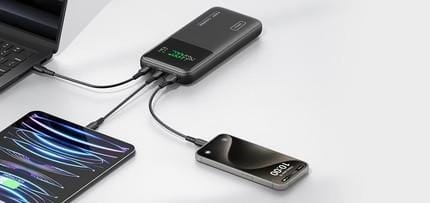
In the past, high capacity meant carrying a heavy “brick” that felt like a literal weight in your pocket. That is no longer the case thanks to advancements in battery cell chemistry. For example, the INIU Carry P51L USB-C Portable Charger has gained a massive following because it defies traditional size constraints. It manages to pack a massive reservoir into a frame that actually fits in a jacket pocket or a small purse. This model has become a favorite among US consumers who want the security of a large battery without the “cargo pants” requirement of older designs.
Smart Displays and Integrated Cables
The latest trend in 2026 is the “Smart Power Bank.” Many now feature small LED or OLED screens that tell you exactly how many minutes are left until your phone hits 100%, or how many hours the bank itself needs to refill. This takes the guesswork out of charging. Some even include built-in, foldable USB-C cables, eliminating the need to carry a separate wire entirely—perfect for the minimalist traveler who wants to grab their keys, phone, and power bank and head out the door.
The Economic Argument: Cost vs. Value
Some users hesitate at the price of premium power banks, but the “cost per charge” over the life of the device is incredibly low. When you consider that a high-quality bank protects your iPhone’s expensive internal battery by providing stable, regulated power, the investment pays for itself. A cheap, off-brand charger can cause heat damage that degrades your iPhone’s maximum capacity over time. By choosing a reputable USB-C brand, you are essentially buying an insurance policy for your phone’s longevity.
Final Verdict
So, is a USB-C power bank worth it for iPhone users? The answer is a resounding yes. We have moved past the era of proprietary connectors and slow “trickle” charging. For anyone using an iPhone 15 or newer, staying attached to old Lightning-based or USB-A accessories is holding back the true potential of your device.
A modern portable charger offers the holy trinity of mobile tech: Speed, Versatility, and
Future-Proofing. Whether you opt for a slim daily driver or a high-capacity powerhouse, making the switch is one of the easiest ways to improve your daily quality of life. In 2026, being “plugged in” means being part of a universal standard that keeps your digital world running smoothly, no matter where you are.