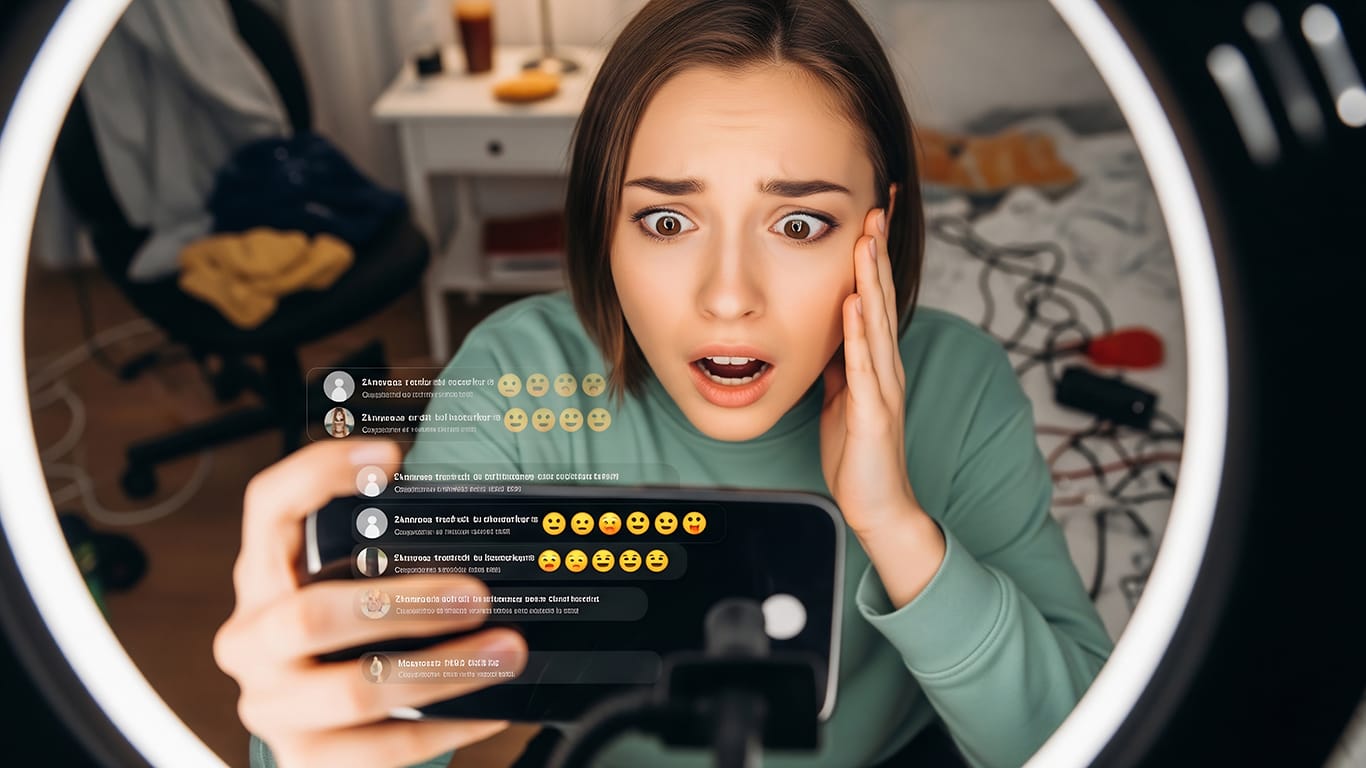
Mental health awareness has become a much more visible part of everyday conversation, and in many ways, that is a positive shift. Social media platforms like TikTok and Instagram have helped normalize discussions around anxiety, trauma, boundaries, and emotional well-being. Terms once largely confined to clinical settings are now part of daily vocabulary.
However, the rapid spread of what is often referred to as “therapy speak” is raising important concerns. Words like “gaslighting,” “narcissist,” “triggered” and “trauma” are increasingly being used casually, often without a full understanding of their clinical meaning. While increased awareness can help reduce stigma, misuse of these terms can also blur the line between normal human emotions and legitimate mental health concerns.
DEEPER DIVE: Read all the Ranking Arizona Top 10 lists here
INDUSTRY INSIGHTS: Want more news like this? Get our free newsletter here
When everyday conflict becomes therapized
One of the biggest challenges with viral therapy language is that it can encourage people — especially younger audiences — to interpret everyday discomfort, disagreement or conflict as something more severe.
For example, not every difficult conversation is emotional abuse, and not every self-focused person meets the criteria for narcissistic personality disorder. Sometimes people simply navigate stress, poor communication, or incompatible expectations.
When clinical language is overapplied, it can unintentionally pathologize normal relationship dynamics and emotional experiences. Feelings such as sadness, disappointment, frustration, or temporary anxiety are part of being human. Labeling every uncomfortable interaction such as “toxic” or “traumatic” may prevent people from developing resilience, communication skills and emotional perspective.
The impact on relationships and recovery
This shift in language is also reshaping the way people approach relationships. We are seeing more individuals use therapy terminology to define conflicts before seeking deeper understanding. In some cases, labels are assigned quickly, which can escalate tension rather than promote healing.
In recovery and mental health treatment, language matters. Words carry weight. Misusing clinical terminology can minimize the experiences of individuals living with true trauma, personality disorders or serious mental health conditions.
At the same time, social media can create a false sense of self-diagnosis. Short-form videos and viral posts often lack nuance, making complex psychological concepts seem overly simplistic.
Encouraging thoughtful mental health conversations
The goal should not be to discourage mental health conversations but to encourage more informed ones.
Therapy language can be incredibly helpful when used accurately and with context. The most important step is to seek guidance from licensed professionals rather than relying solely on viral content.
As awareness continues to grow, we have an opportunity to create conversations that are both compassionate and clinically responsible — conversations that support healing without oversimplifying the realities of mental health.
Talk to someone who’s been there. Talk to someone who can help. Call 602-346-9142 or visit scottsdalerecovery.com to learn more.
Author: Aymet Demara, LIAC, is clinical director of Scottsdale Recovery Center. Since 2009, Scottsdale Recovery Center serves the needs of people locally and nationwide searching for a successful solution to remove active alcohol, opioid, cocaine and other addictions to enjoy the benefits of living drug-free. With four facilities in the greater Phoenix – Scottsdale area, SRC continues to set the standard of Detox, Inpatient, Residential, Intensive Outpatient, and Sober Living services. Scottsdale Recovery Center is a trusted resource, locally and nationally, to the public, health care providers, and media outlets seeking knowledge to support their investigations and bring addiction industry awareness needed to save lives. Visit Scottsdale Recovery Center for more information or call 1-888-NODRUGS.
Editor’s note: Information herein is NOT intended to be taken as medical advice. No therapeutic or medical claims are either implied or made. Before starting any addiction detox, treatment or recovery program please consult with a health care professional. DO NOT ALTER ANY MEDICAL TREATMENT, OR THE USE OF MEDICATIONS, WITHOUT THE PERMISSION OF A LICENSED, MEDICAL CARE PROVIDER. The information herein is not intended to diagnose, treat, cure or prevent any disease.