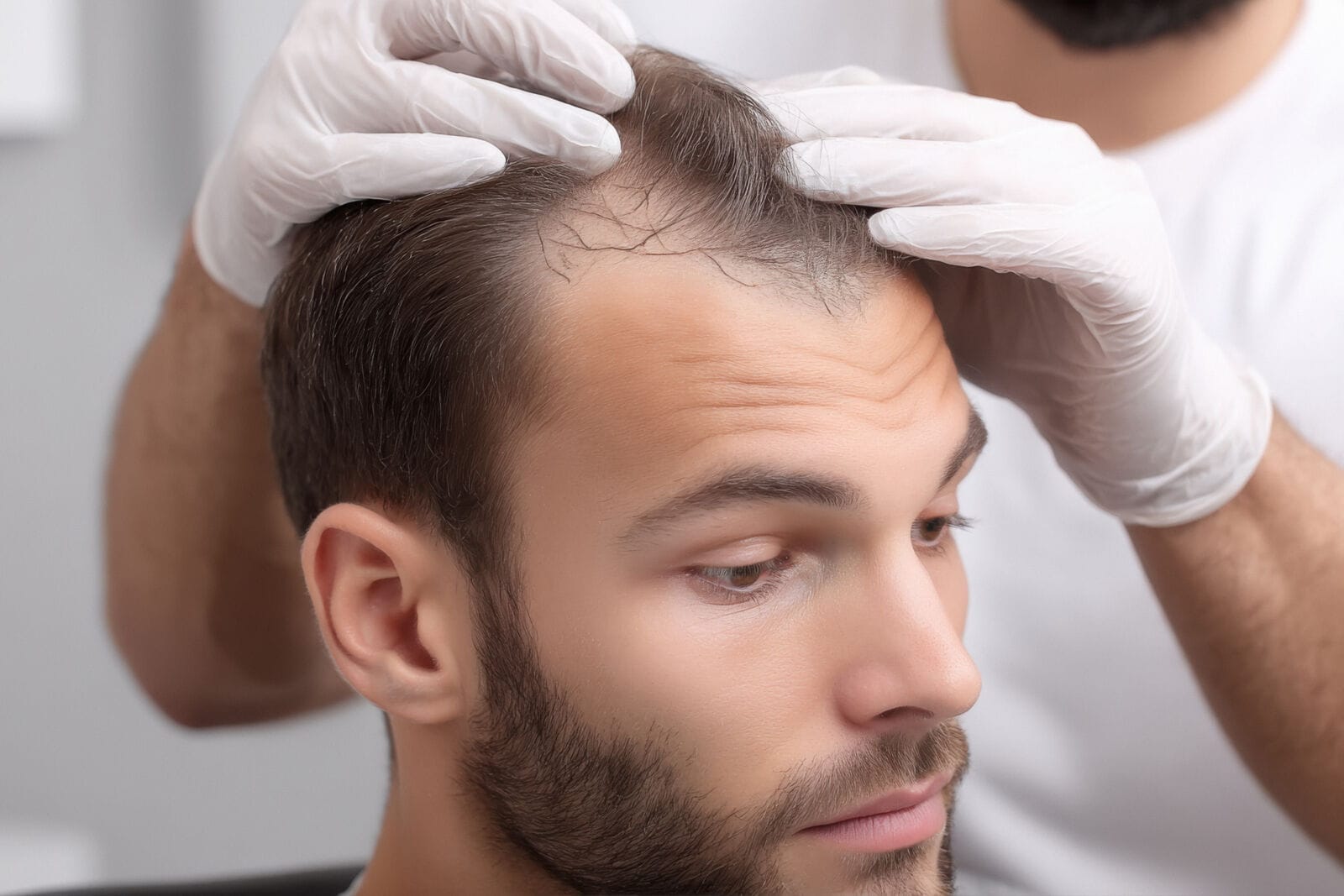
Millennials, often dubbed as the “me” generation, are known for their unique lifestyle choices and challenges. As they navigate through adulthood, many millennials are confronted with unexpected issues, from student debt to mental health struggles. An alarming trend that has gained significant attention is the rising rate of hair loss among this demographic. Numerous studies indicate that factors such as stress, poor nutrition, and lifestyle choices may be playing a pivotal role in contributing to this phenomenon. Experts have started to make connections between these daily habits and the experiences of millennials who are going bald. Understanding these factors can help individuals recognize and potentially mitigate the damage they might be causing to their hair health.
Understanding Hair Loss: A Brief Overview
Hair loss, or alopecia, can manifest in various forms, including male and female pattern baldness, thinning hair, or patchy bald spots. When it comes to Millennials going bald, the early onset of hair loss is particularly alarming as it diverges from traditional age brackets for hair thinning. Androgenetic alopecia, a genetically driven condition, is the most common form of hair loss. What is notably distressing is the fact that many millennials are experiencing hair loss that can stem from lifestyle rather than solely genetic reasons. Research has shown that the percentage of young adults encountering hair loss is on the rise, with various lifestyle factors potentially playing a significant, intertwined role.
The Role of Stress in Hair Loss
Stress can be one of the most impactful contributors to hair loss. Whether it’s the demands of work, relationships, or financial burdens, the stressors millennials face are often overwhelming. Chronic stress can lead to a condition known as telogen effluvium, where a significant number of hair follicles enter the resting phase, halting growth and leading to shedding. According to the American Psychological Association, nearly 60% of millennials report experiencing constant stress in their lives. The busy lifestyle associated with balancing work, family, and personal aspirations can lead to poor decision-making, including neglecting health and wellness activities that promote hair strength. Understanding the relationship between stress and hair health is crucial, and addressing stress must become a priority for anyone struggling with hair loss.
Diet and Nutrition: The Foundation of Hair Health
A balanced diet rich in vitamins, minerals, and nutrients forms the foundation for health. A lack of vital nutrients can lead to deficiencies that directly affect hair health. For millennials, fast food and processed meals often prevail due to time constraints, leading to a poor nutritional profile. Key vitamins like biotin, vitamin D, iron, and omega-3 fatty acids are instrumental in maintaining hair follicles and encouraging new growth. A deficiency in iron can impede oxygen flow to the follicles, inhibiting growth. Industry experts recommend incorporating whole foods—such as leafy greens, nuts, lean proteins, and fruits—into daily diets to combat hair loss. Millennials should be mindful of their dietary choices, as what they consume significantly influences their hair’s vitality.
Impact of Sleep Deprivation on Hair Quality
Sleep may seem like a trivial factor, but it plays a critical role in health, including hair growth and maintenance. Millennials, characterized by late-night work sessions, social events, and constant connectivity through technology, often compromise their sleep routines. Sleeping less than the recommended seven to eight hours per night can lead to a cascade of health issues, including hormonal imbalances. The body repairs and regenerates cells, including hair follicles, during sleep. Insufficient rest can disrupt this process, leading to weakness and hair loss. Research indicates that individuals deprived of sleep may face increased risks of psychological stress, which, as previously discussed, can lead to further hair loss. Awareness of proper sleep routines and prioritizing rest is crucial for maintaining hair quality and health.
Hairstyling Habits and Their Effects
Many millennials embrace the latest hairstyle trends, but certain hairstyling habits can inadvertently contribute to hair loss. From tight hairstyles like ponytails or braids to frequent use of heat styling tools, these habits can place excessive strain on hair follicles. Traction alopecia is a form of hair loss that arises from consistent pulling mechanisms on the hair. Overuse of chemical treatments and dyes can weaken hair strands, causing them to break more easily. While appearing stylish is part of self-expression, being aware of the potential damage can inform smarter choices regarding hair maintenance. Millennials should consider adopting low-manipulation hairstyles that allow their hair to rest and remain healthy while still fulfilling their desire for a unique look.
The Influence of Technology and Social Media
Social media has changed how individuals perceive beauty standards and trends, exerting immense pressure on millennials to conform to ideals portrayed online. With influencers showcasing perfect hair, there can be an underlying anxiety about personal appearance that exacerbates stress levels. This constant comparison robs many of their confidence and self-esteem, which can contribute to stress-induced hair shedding. Prolonged screen time can directly affect sleep patterns and lead to tech-induced anxiety, tying back to prior sections on sleep and stress. Millennials must learn to manage their relationship with technology, limit exposure to unrealistic portrayals of beauty, and foster a healthier mindset when it comes to self-worth and body image.
Genetic Factors and Understanding Risk
While lifestyle plays a foundational role in hair health, genetics should not be ignored. Many millennials may experience hair loss at a younger age due to inherited conditions. Genes carry information about hair follicle health and can predispose individuals to hair thinning and loss. According to the National Institutes of Health, research suggests that approximately 25% of men experience hair loss by age 30, while around 20% of women will face similar challenges. Recognizing that genetics can influence the likelihood of hair loss simplifies the conversation about lifestyle factors. Incorporating proactive measures—like healthy eating, stress management, and nourishing hair products—can still yield positive outcomes in managing genetic hair loss for those at risk.
Care and Maintenance: Practical Tips
For millennials looking to support their hair health, understanding proper care and maintenance is vital. Simple practices like using sulfate-free shampoos, incorporating protein-rich hair masks, and minimizing heat exposure can go a long way in preserving hair health. Regular scalp massages promote blood circulation, which can encourage follicle stimulation. For those already seeing signs of hair loss, consulting with a dermatologist or trichologist can provide tailored care plans. Seeking professional advice ensures that each individual receives support based on their specific needs and conditions. Millennials should be proactive in investigating hair products that contain nourishing ingredients and avoid harsh chemicals that may exacerbate their hair issues.
As millennials continue to face various challenges in their lives, hair loss represents a unique issue that intertwines with broader lifestyle choices. Addressing factors such as stress, nutrition, sleep, and hairstyling habits can empower young adults to take charge of their hair health. For many, understanding the connections between lifestyle and hair loss opens up new avenues for prevention and care, ultimately leading to healthier hair and enhanced well-being.