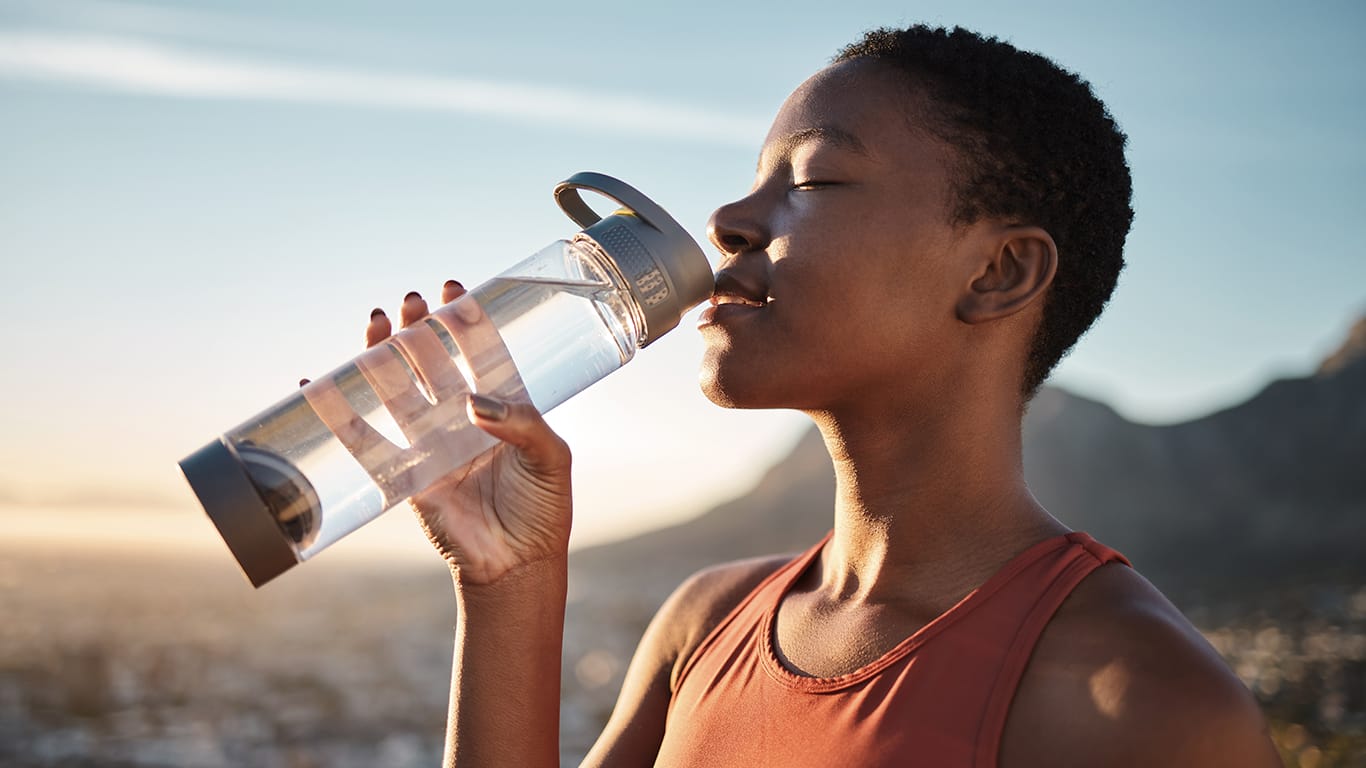
It’s easy to forget the health basics during a hectic working day. You miss a deadline, the phone rings for the endless times, and everything is suddenly incredibly hectic. But hours after, you haven’t had consciousness to grab an empty glass and head to the water dispenser. It’s not that you don’t want to, but the circumstances. However, a well-designed tumbler can transform your hydration routines positively. Your carry-on lifestyle accessories can influence your wellness efforts.
What Is Your Tumbler Made From? Comparing The Base Materials For Your Daily Beverage
What appeared sleek from the box can turn into a regrettable choice after lying on your desk day-after-day for a number of weeks. The tumbler material can impact nearly every aspect of the product including weight, drop resistance, impact resistance, heat resistance, and easy cleanability.
A quality tumbler can lean in either light or portable travel mode or heavy duty throw-around mode, with excellent insulation and a problem-free easy-to-clean product that your employee or audience can pick up and enjoy daily without losing quality.
Choosing the right base material ensures your corporate custom tumblers with logo sit comfortably on your employee’s or audience desk week after week without becoming a hassle to maintain or carry.
- Stainless steel: Generally a durable material, more suitable for insulated cases, as they tend to be a little on the heavy side.
- Plastic: Usually lightweight and sometimes more resilient but may also scratch or retain odour if of a certain material and in a certain condition.
- Ceramic: They are similar to ceramic cups but you could break them if you drop them.
- Wheat-straw composite: Usually found as a plant-based “alternative” but is in fact, derived from recycled HDPE.
And cleanliness is key: Complex lids, hard to reach design features and thin straws can all be a challenge for sanitising. Also, appropriate food-grade labelling and safety regulations are crucial.
Your Body Has a Water Thermostat. Then, Why Do We Still Forget to Drink?
It’s not that you don’t know what dehydration is. It’s that you don’t recognize the symptoms early enough to take action. Thirst, a dry mouth, and darker urine may be little signals that you need more fluids, but they don’t come in an exact sequence, and they certainly won’t tell you how much fluid you need. And by the time you see those signs, you might already have delayed long enough.
Just picture yourself when you go for a glass of water, but there’s no water. You’re right in the middle of a shift, the water refill station is far away, and getting up from your station means you’ll have to leave someone else to cover your station – which feels like a big deal. Sounds simple, but when you’re busy that can be a lot to ask.
Ease of use with a supportive tumbler is important for any security guard at a busy gate, factory worker ordering dispatches, or just anyone with break times tied to how much work is waiting. Filling up a good tumbler at the beginning of the shift means that your water is in arm’s reach, ready for a quick sip as times allow. The trick is finding a tumbler that’s right. Too big or bulky and it’s another thing to carry, but a good size and easy open lid makes it second nature.
The idea is not that a tumbler balances out your water homeostasis. It is that having water available might eliminate a tiny, but significant, barrier to regular hydration.
How Subtle Tumbler Design Details Change the Way You Sip – Without You Noticing
Let’s say that two people are working a lot of extra hours. One has a tumbler that wedges snugly against her keyboard, unscrews easily, and is pleasantly cold. The other is drinking from a large bottle with a lid that can’t be pop-offed single-handed. That might affect ease of use, but it doesn’t mean that the first person is drinking more.
Consider capacity, insulation, handling, weight and spillproof. Bigger size means more time between refills, but also a larger vessel to lug around. You may find a straw or flip-up lid more convenient for drinking your beverage on the job, if your place of work’s safety policies permit.
Insight: Count the number of times you refill your tumbler before and after trying other styles to estimate the difference the alternative style makes to your usage. Record the number of days you use your tumbler and any limitations you put on yourself in using it or other routines so you won’t have to remember them. Self-report isn’t scientific, but you’ll learn something!
Hydration Is a Team Sport: Where Workplace Wellness Comes In
For corporates, offering free tumblers to their staff can be a likely a piece of wellness campaign, but they won’t address the culture where no one has a moment to take a drink. Refilling stations, sensible breaks, easy access to drinking water, and leaders who respect unfulfilled physical needs- now that’s the good stuff.
In health care, the rules for selecting which beverage are far more critical. Caregivers need to ensure patients obey any rules for fluid intake (if given), infection control rules, or any spill and sharing equipment rules. Tumblers do not replace rules or medical advice.
If you are doing reflective programme begin by asking staff about what might stop them from drinking at work and getting permission to provide this feedback and act on it in confidence. If you will be providing branded gifts ensure you pick the right supplier before you place your order.
In essence, better hydration habits at work start with the right drinkware in a supportive work environment. A good tumbler product will help support a routine even in a busy environment without having to do extra to meet your thirsty cues. An organization that respects and prioritizes how their staff access water and healthy drinks as one small part of a larger workspace design helps directly support physical health, cognitive performance, and overall workplace morale. It’s about small humane additions that enhance positive routines.