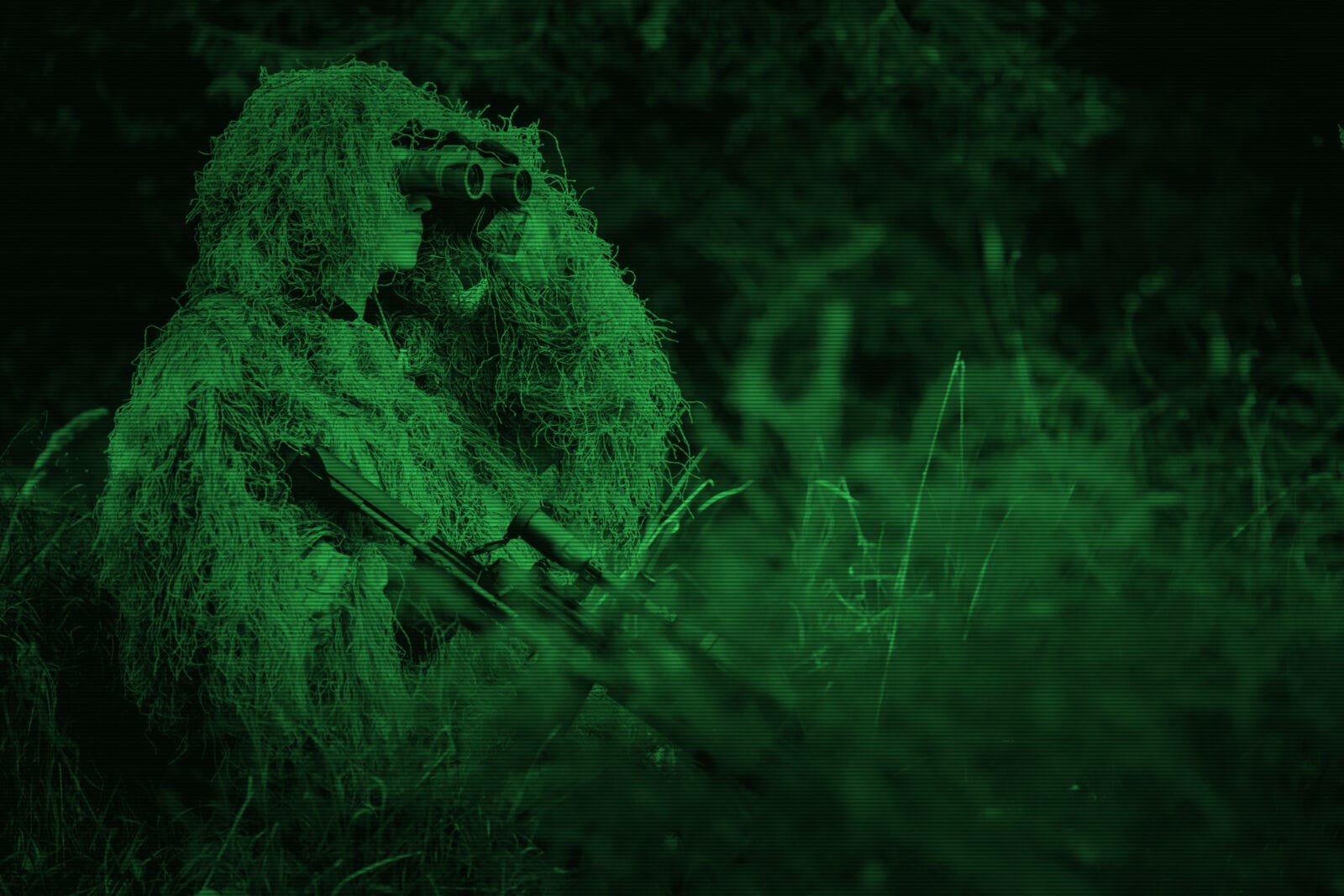
Night Time Predator Hunting Season
Ask a deer hunter in August what month it is, you’ll get “almost”. Ask a predator hunter, and he tells you that he was sitting in his blind in the fence line with a thermal scope, rolling his rabbit in distress using Foxpro. As people wait until the deer rut time, there is actually another season in full swing right now and it lasts almost all year round, save for some legal restrictions. The coyote and feral hog seasons are always on. No need to ask for the date.
It’s the differences in night vision hunting laws, mostly. Many states allow hunting with night vision scopes and/or thermal imaging devices with no special license required. However, there are other states that impose very strict limitations or simply do not allow nighttime predator hunts, except during specified months and/or upon obtaining a special permit (that you had to contact a local warden for). Check your State wildlife agency website before loading up the truck. The penalties for breaking nighttime hunting laws are pretty steep.
Top Targets for 2026: Coyotes, Hogs and Foxes
Coyotes are probably why we all started hunting. Coyotes can be found in every state, except Hawaii, and are still estimated to cause losses of $230 million annually. In most states, coyote night hunting comes with no limit of take whatsoever, no tag required, no closed season and the hunting period lasts throughout the entire year. The most productive months in coyote seasons are February-April – this is when pairs breed and their litters are born. Using a distress call this time will yield triple the results of the same stand in summer.
Feral hogs are different. They are no longer considered game animals, rather invasive species. According to USDA estimates, feral pigs cost American agriculture above $2.5 billion annually and damage millions of acres of pastureland, row crops and bring new disease pressure to farm livestock. Feral hog eradication programs, especially in East Texas and Louisiana, have nothing to do with regular hunting anymore. Sows can bear two litters each year, which makes it nearly impossible to contain them by conventional means, thus the need to use night vision scopes for night hunting and aerial gunning.
Foxes join the ranks of nocturnal game as well. Red and gray foxes remain legal targets through the winter and late autumn. During their breeding season, a simple cottontail squealer is sufficient to attract them into a shooting range.
Equipment Required
A handheld spotlight and a red-filtered spotting scope will be insufficient here. Modern varmint hunting gear is completely different.
As opposed to night vision scopes, thermal scopes rely solely on heat signature detection. Bushes, fog, tall grass – none of that matters, warm-blooded animals always show bright against a cold background. Night vision scopes use either ambient moonlight or artificial illumination in the form of infrared lamps to amplify the existing light source and provide a true picture with higher resolution that thermal optics lacks. Hunters usually utilize both systems in combination – while thermal optic is used to find the target, night vision scopes help to identify it.
For those looking to buy thermal and night vision optics, there are many leading devices on the market. Thermal sights (like the Rattler, Adder, and Secutor) can accommodate practically all kinds of budget. These affordable digital NV optics are perfect entry level models with all the capabilities of a night vision hunting system. For hog teams in Texas and coyote callers in Kansas, a halfway decent thermal sight pays for itself in animals you would never have taken otherwise.
Practical considerations. Optics should be selected according to terrain type – in open pastures a 4x thermal and/or night vision scope is optimal while in thick forests and woods 2x will suffice. It makes sense to pair your monocular thermal imaging device with a separately scoped rifle for the shot. Lithium battery life suffers in cold conditions, so extra batteries should be packed along.
Identify, Confirm and Shoot
Thermal imaging makes target detection relatively straightforward. Identification, on the other hand, is harder. Two heat signatures spotted in a fence row at 250 yards can be either a pair of coyotes or your neighbor’s hunting dogs or even deer. Pulling the trigger on any non-predator is absolutely forbidden, as it is in day-time hunts.
Discipline is what makes a good hunter, and it does not require much effort. First, identify the animal. Watch how it moves. Try estimating its size compared to something you are familiar with before you release the safety. Coyote, shoulder height, 21 to 24 inches tall, unlike any farm dog. Be aware of your backstop. A bullet fired by a rifle can fly over a mile – be sure no building, vehicle or livestock pen is behind your target. Always visit the land in daytime before you enter with a weapon in hand.
Extend Your Hunting Season
“Off-season” is simply a habit. While your deer rifle sits in a gun safe, a night vision device will allow you to stay active and train your skills during warm months. Besides, there is an underlying goal – fewer hogs means better crop yields and fewer attacks on calves means more calves. 2026 hunting season is open right now in most states. Just make sure that your optic is ready for night work.