For Arizona’s Serbian community, SerbFest Phoenix is more than a weekend of food and music.
The family-friendly event is a chance to celebrate a culture that organizers say has too often been defined by conflict rather than by the traditions, history and people who have shaped Serbian life for generations.
Founded in 2003, SerbFest Phoenix returns from 11 a.m. to 10 p.m. Saturday, Nov. 7, and noon to 5 p.m. Sunday, Nov. 8, at St. Sava Serbian Orthodox Church, 4436 E. McKinley St.
General admission tickets are $10; free parking is available.
THINGS TO DO: 10 quirky restaurants you have to visit in Arizona
LATEST ISSUE: Read the latest issue of Experience AZ magazine
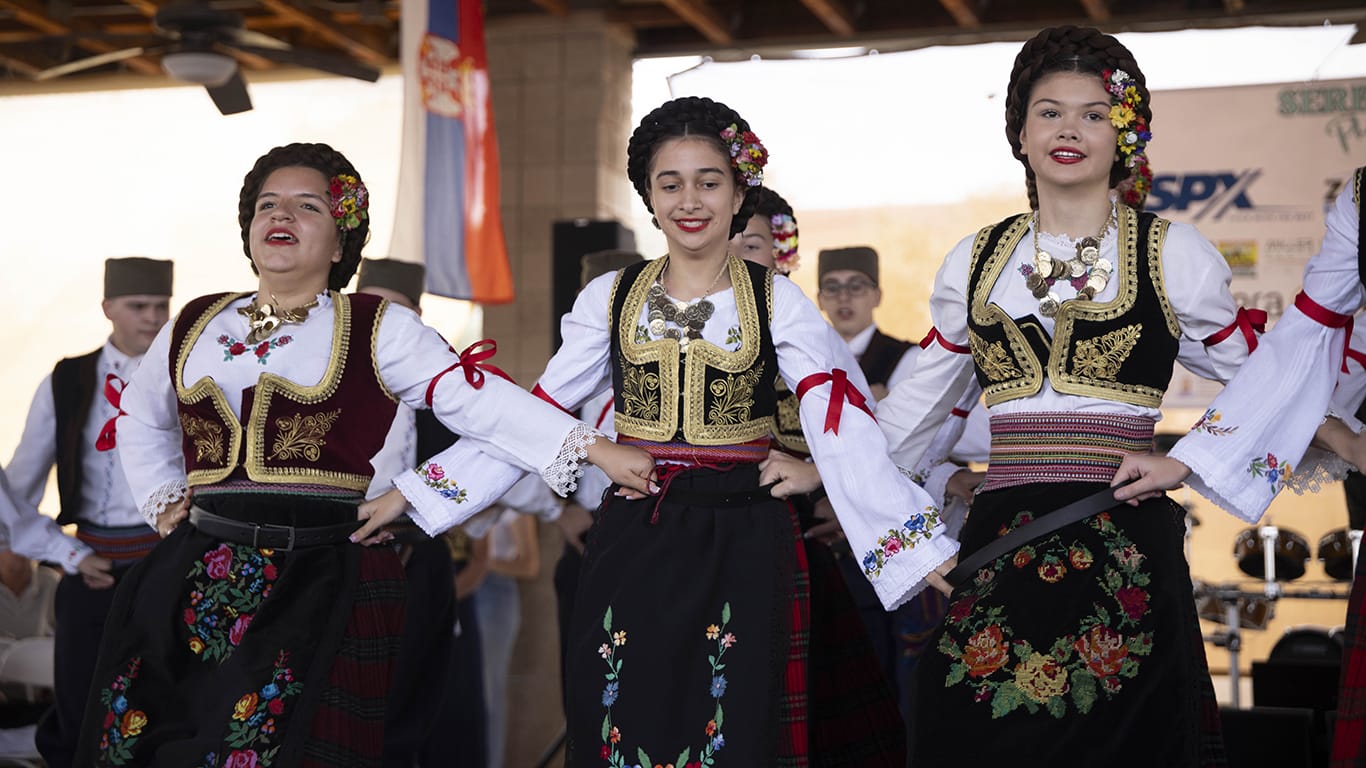
The festival has grown into one of the Valley’s largest celebrations of Serbian heritage, drawing thousands of visitors for traditional cuisine, music, folklore dancers in traditional attire, and cultural experiences.
“It started as a way for a community of Serbian folks trying to celebrate the Serbian culture and the Balkans,” said organizer Milos Vasiljevic.
“At the time, it was just bad news from the region. There are hardships and wars, but that’s not everything. There is a beautiful culture and history and a way to celebrate.”
That mission continues today as SerbFest welcomes an estimated 3,000 to 4,000 visitors over two days, offering a glimpse into Serbian traditions through food, music, art and community.
“What got me involved with organizing this is having the ability to offer a glimpse of our culture to the entire Valley and everyone who comes,” Vasiljevic said.
“We celebrate the vibrant Serbian American community we have here in Arizona once a year.”
This year’s festival will feature live entertainment, cultural performances, an art exhibit showcasing Serbian artists, a kids’ zone, and family-friendly activities. The event also serves as a reunion of sorts for Serbian Americans whose roots in Arizona often go back generations.
“Every SerbFest you meet somebody who tells you a story, ‘I am a fourth-, fifth-generation Serbian American in Arizona,’” Vasiljevic said.
According to Vasiljevic, Serbian families arrived in Arizona in the late 1800s, settling in mining communities such as Bisbee and Globe, and becoming part of the state’s history.
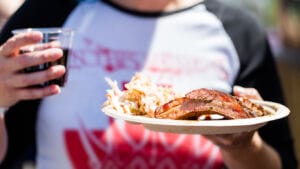
Food, however, remains one of the festival’s biggest draws. For months, volunteers have been cooking more than 1,400 stuffed cabbages (cabbage leaves stuffed with ground beef, rice, and spices) and approximately 15,000 ćevapi (traditional grilled meat served on bread with sides) to feed the expected crowds.
“We spend about two months making and prepping this food,” Vasiljevic said.
SerbFest arrives during a significant month for Arizona’s Serbian community. The City of Phoenix will officially unveil the ceremonial street designation Serbian Heritage Way at the corner of 44th and McKinley streets, recognizing Serbian Americans and their contributions to the city’s history. Gov. Katie Hobbs recognized November as Serbian American Heritage Month. St. Sava Serbian Orthodox Church has resided at the corner since 1958.
“We are thrilled to see our Serbian community and rich cultural heritage recognized by the City of Phoenix,” said the Rev. Dragomir Tuba, parish priest of St. Sava Serbian Orthodox Church.
“McKinley Street has been home to St. Sava Church since 1958, and this recognition is a meaningful tribute to the generations of Serbian families who have made Phoenix their home.”
The festival will host a Phoenix Rising-sponsored three-on-three soccer tournament on Sunday.
Despite the festival’s growth and new attractions, organizers say the goal remains unchanged: to introduce visitors to Serbian culture and create connections through shared experiences.
“I always say people will come for food, for music,” Vasiljevic said. “Everyone’s invited. Everyone’s welcome to come and enjoy the culture, the music, to get a little piece of Serbian heritage in the middle of Phoenix.”