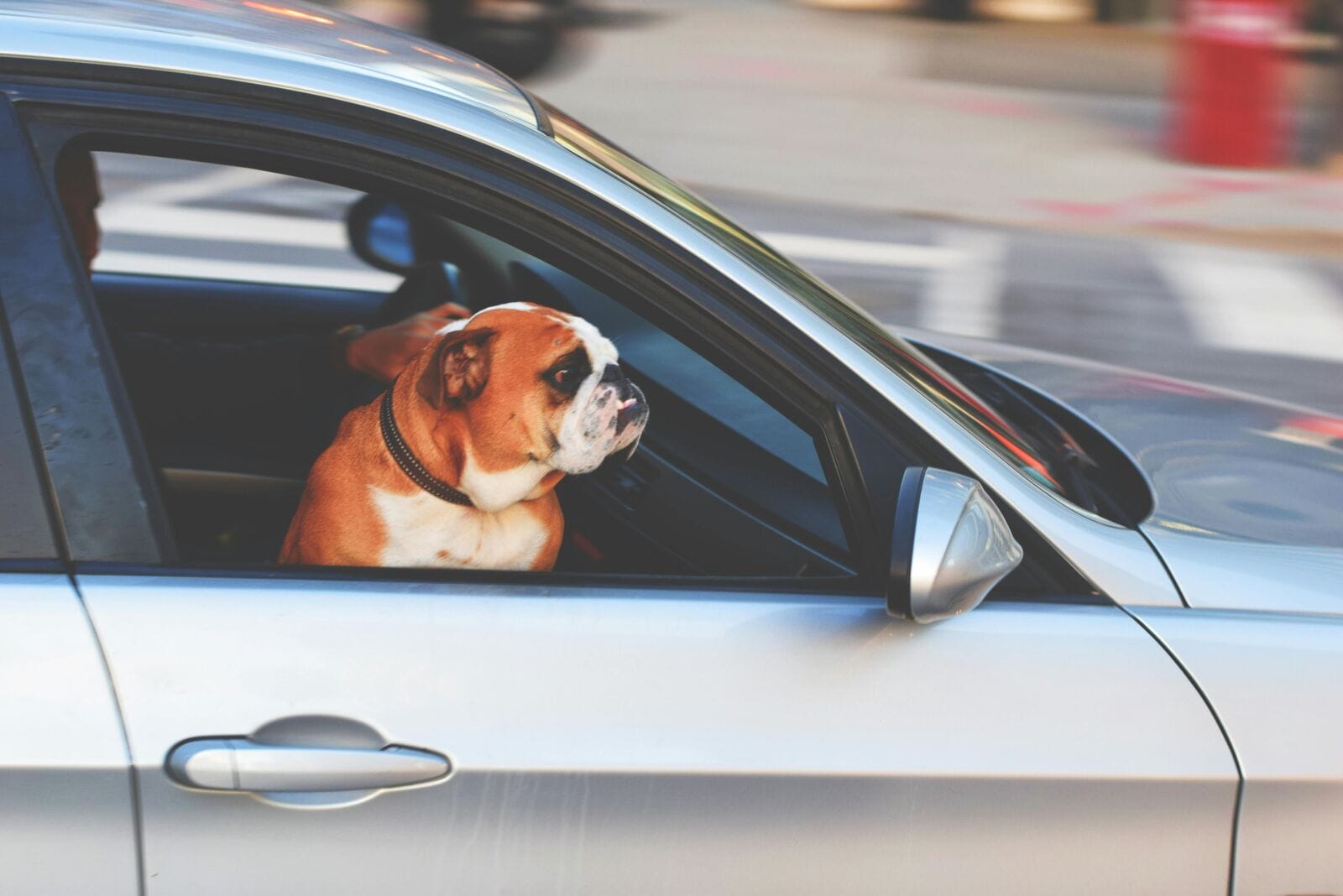
Traveling with a dog or a cat turns an ordinary road trip into a shared adventure, and it also brings a quiet responsibility that rides along in the back. An RV temperature monitor answers the one question every traveling owner asks after stepping away for an hour, which is whether the companion left behind is still cool, calm, and comfortable. Knowing that answer in real time changes the whole feel of a trip.
Heat is the reason most owners start looking for help. A parked motorhome can warm up quickly on a sunny afternoon, even with the vents open and the shades drawn, and the change often happens faster than people expect. A few degrees can turn a comfortable nap into a risky situation for an animal that cannot open a door or find shade on its own.
Cooling systems help, but they are not immune to trouble. A tripped breaker, a generator that quits, or a campground power flicker can shut the air off while nobody is around to notice. That silent failure is exactly what worries people who leave a companion behind for a hike or a quick grocery run.
Knowing What the Cabin Actually Feels Like

Instead of guessing, a good sensor reports the real conditions inside the living space and sends that reading straight to a phone. There is a meaningful difference between assuming the air is still running and seeing a number that confirms it, especially when you are miles away from the campsite.
Alerts matter just as much as the readings. When the temperature climbs past a level you set, a notification gives you time to head back, call the campground office, or ask a neighbor to look in before anything turns serious.
Humidity Deserves Attention Too
Warm air that is also damp feels much heavier to a panting dog, since panting is how most dogs shed heat in the first place. Tracking humidity alongside warmth gives a fuller picture of comfort than a simple thermometer ever could.
Owners comparing options often notice that a capable Pet temperature monitor reports both numbers together, which saves the mental math of working out how a warm and sticky afternoon actually feels to an animal resting on the floor.
That extra detail earns its keep in humid coastal parks and muggy summer evenings, where the temperature alone can look perfectly fine while the air still feels stifling to a companion in a closed space.
Power and Connection You Can Rely On
A safety device only helps when it stays awake. Battery backup keeps a sensor reporting even if shore power drops, and a cellular connection means it keeps working in remote parks where the wifi is weak or missing entirely.
That independence is the entire point. The moments you most want a warning are usually the moments when something else has already gone wrong, so the device needs to outlast the problem it is reporting.
Seeing the Space, Not Just the Numbers
Numbers tell you the conditions, and a picture tells you the story. Adding an RV Security camera lets you glance at the interior and see whether your dog is snoozing on the couch or pacing near the door, which is reassurance no reading on its own can provide.
A live view also solves the small mysteries of travel. You can check whether a curtain got pulled down, whether the water bowl tipped over, or whether a nervous cat simply found her favorite hiding spot under the dinette.
Useful After Dark and While You Sleep
A Security camera for RV travel proves its worth in the evening hours too, when a quick look confirms that everyone has settled instead of leaving you guessing in the dark.
Being able to see inside also helps when you are simply parked somewhere unfamiliar. Knowing the space is quiet and undisturbed makes it far easier to relax at a rest stop or an overnight lot.
Peace of Mind While You Are Out
Most owners are not gone long. A trailhead walk, a laundry run, or a relaxed dinner in town is usually enough time for worry to creep in, and a quick look at a phone settles the question in seconds.
That reassurance often changes plans for the better. Travelers who can check in tend to relax and enjoy the stop instead of cutting the afternoon short and hurrying back out of pure uncertainty.
Simple Setup for a Busy Trip
Nobody wants to spend a vacation day wrestling with wiring. Compact devices that mount easily and pair with a phone app keep the setup short and the learning curve gentle, even for travelers who would rather not read a manual.
Once it is running, it mostly fades into the background. The best safety tools are the ones you forget about entirely until the single moment when they speak up and tell you something useful.
What to Look for Before You Buy
Reporting frequency is worth comparing, since a sensor that checks in often gives you a truer picture than one that reports only now and then. Coverage in the areas you travel matters just as much.
Battery life, app quality, and clear alert settings round out the list. A device that is pleasant to use is a device you will actually keep switched on, trip after trip.
A Habit Worth Building
Checking conditions before stepping out becomes second nature after a few trips, much like checking mirrors or latching a door. It takes a moment and removes an entire category of worry from the day.
Setting your alert levels thoughtfully matters too. Choosing thresholds that suit your breed, the season, and your route means fewer nuisance pings and faster attention when something genuinely changes.
Traveling With Confidence
The freedom of the open road is the reason people bring their animals along in the first place. Protecting that freedom means knowing the space behind you stays safe while you explore whatever is in front of you.
With dependable readings, timely alerts, and a way to look in whenever curiosity strikes, a trip stops being a series of small worries. It becomes what it was always meant to be, which is time well spent with the companion who never wanted to stay home.