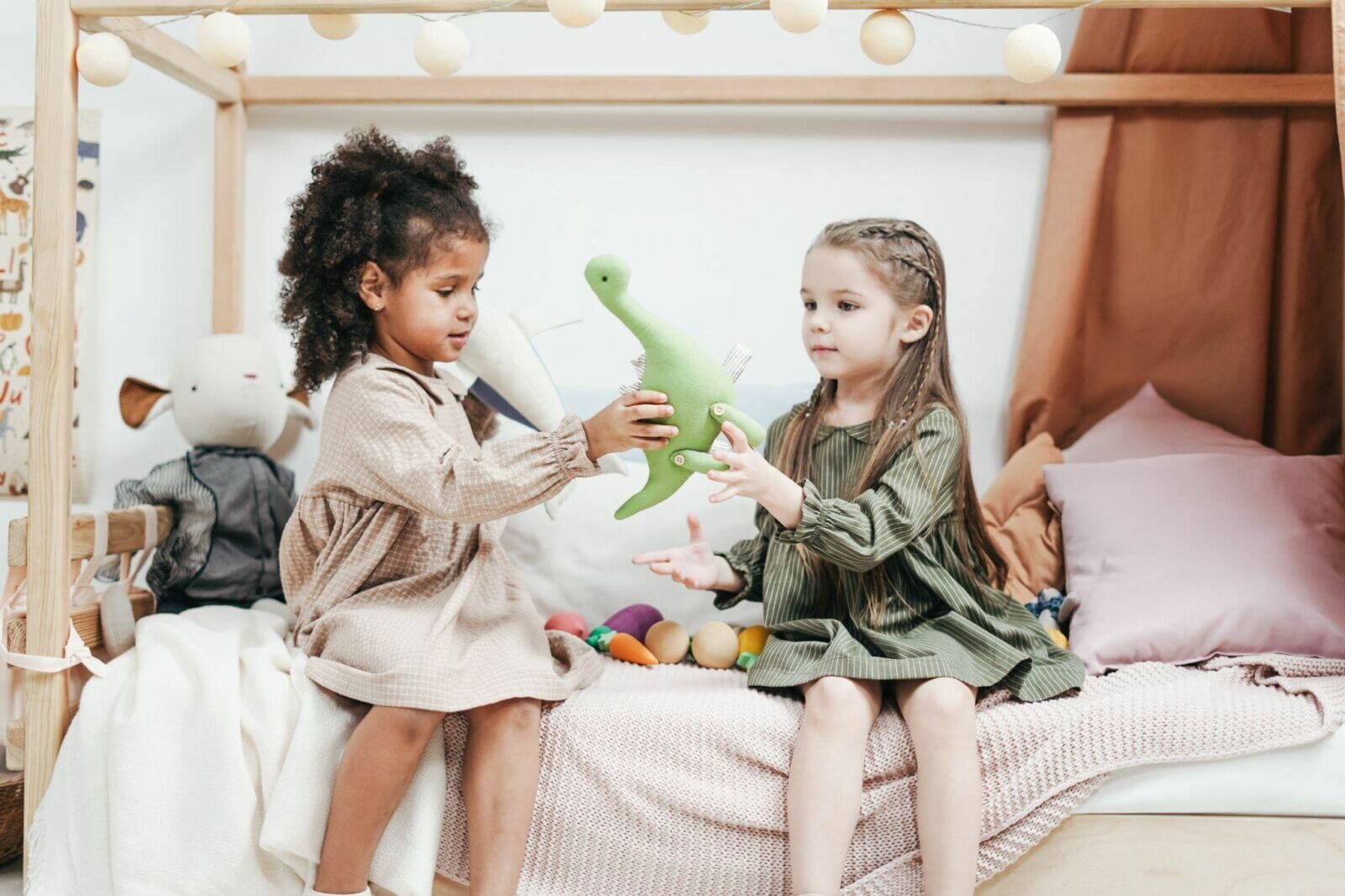
Dealing with a compact bedroom for your child can feel like trying to solve a puzzle where the pieces do not quite fit. Between an ever-growing collection of toys, piles of clothes, school supplies, and the need for an open play area, square footage disappears quickly. Many parents feel stuck, assuming that a small room means constant clutter and a cramped atmosphere.
However, a smaller footprint does not mean you have to sacrifice style or utility. With a strategic layout and some clever organizing tricks, even the tiniest room can function beautifully. By prioritizing vertical storage and selecting furniture that serves multiple purposes, you can create a comfortable, organized space where your child has plenty of room to sleep, study, and play.
Think Vertically to Save Floor Space
When floor space is limited, the only way to go is up. Walls are often the most underutilized real estate in a bedroom. Installing tall shelving units that reach near the ceiling draws the eye upward, making the ceiling feel higher while providing ample storage for books, trophies, and display items. Keep less frequently used items on the top shelves and everyday favorites within your child’s reach.
Wall-mounted hooks and pegboards are excellent tools for keeping the floor clear. Instead of letting backpacks, hoodies, and costumes pile up on a chair or the carpet, hang them up. A row of sturdy hooks behind the door or along a side wall creates an instant drop zone. Pegboards offer even more flexibility, allowing you to rearrange baskets and hooks as your child’s needs change from storing diaper supplies to organizing art materials or sports gear.
Floating shelves are another smart addition. They provide a place for nightstand essentials without taking up the floor space that a traditional bedside table would require. This small adjustment can free up just enough room to make the flow of the room feel less restricted.
FOOD NEWS: 25 places for great patio dining in Arizona
THINGS TO DO: Want more news like this? Get our free newsletter here
Choose Furniture That Works Double Duty
In a small room, every piece of furniture needs to earn its keep. Single-purpose items are a luxury that tight quarters often cannot afford. The bed is usually the largest item in the room, so it offers the biggest opportunity to reclaim space. Instead of a standard frame that takes up room without giving anything back, look for options with built-in functionality.
Loft beds are a popular solution because they essentially double the usable square footage of the bed’s footprint. By raising the sleeping area, you create a large open space underneath that can be used for a desk, a reading nook, or even a second mattress for sleepovers. For rooms where every inch counts, cleverly designed furniture like loft beds with integrated desks or bunk beds for siblings are huge assets. You can find a fantastic selection of space-saving kids beds to fit any layout, allowing you to customize the room based on your child’s specific activities.
If a loft isn’t the right style, consider a captain’s bed with deep drawers underneath. These drawers often hold as much clothing as a standard dresser, which might allow you to eliminate the dresser entirely. This opens up floor space for a rug and a play area, making the room feel significantly larger and more inviting.
Layout Strategies for Better Flow
How you arrange the furniture makes a massive difference in how big the room feels. In a small bedroom, the goal is to maximize the open floor area in the center. Pushing the bed against a wall, rather than centering it, opens up the middle of the room for movement and play. This “daybed” style arrangement can also make the bed serve as a sofa during the day, perfect for reading or hanging out with friends.
Avoid blocking pathways or windows with heavy furniture. Natural light is your best friend in a small space, and blocking it can make the room feel cave-like. Keep the area in front of the window clear, or place low-profile furniture like a toy chest or a bench there. This preserves the sightlines and lets light pour in, visually expanding the space.
Zoning is also helpful. Even in a tiny room, try to define specific areas for specific activities. A small rug can define a play zone, while a focused task lamp can define a study zone. These visual cues help the room feel organized rather than chaotic, as everything has a dedicated place.
Smart Storage Solutions for Clutter Control
Clutter is the enemy of small spaces. When a small room gets messy, it feels twice as cramped as a larger room. Implementing a solid organization system is key to maintaining a sense of calm. Use clear bins or labeled baskets for toys so your child can easily see where things belong. This makes cleanup time faster and empowers them to maintain the space themselves.
Under-bed storage is crucial if you do not have built-in drawers. Rolling bins or vacuum-seal bags can store off-season clothing or extra bedding out of sight. Just make sure the containers are easy to slide in and out so they actually get used. For open shelving, use baskets to corral small items like blocks or action figures to reduce visual noise.
Rotating toys is another effective strategy. If your child has too many toys to fit comfortably in the room, keep half of them in a closet or a separate storage area and switch them out every few months. This keeps the toy selection fresh and exciting for your child while preventing the bedroom from becoming overrun with plastic.
Visual Tricks to Expand the Room
Beyond furniture and storage, the visual design of the room plays a role in how spacious it feels. Light, neutral colors on the walls reflect light and make walls appear to recede, creating an airy atmosphere. You can still add fun pops of color through bedding, rugs, and artwork, which are easier to change as your child grows.
Mirrors are a classic design trick for a reason. A well-placed mirror reflects both light and the view of the room, instantly tricking the eye into perceiving more depth. Hanging a large mirror on the back of the door or above a dresser can make a significant impact without taking up any functional space.
Window treatments should be simple. Heavy drapes can weigh down a small room. Opt for blinds or light, airy curtains that can be pulled back completely to let the sun in. The brighter the room, the larger it will feel.
Creating a Room That Grows
Designing for a small space requires looking ahead. Children grow quickly, and their needs change just as fast. A toddler needs floor space for blocks, while a teenager needs desk space for homework. When investing in furniture and layout changes, try to choose versatile pieces that can adapt over time.
Modular shelving systems can be reconfigured as storage needs shift from toys to textbooks. Convertible cribs that turn into toddler beds and eventually full-sized headboards offer longevity. By planning for the future, you save money and hassle down the road. A small room does not have to be a limiting factor; with creativity and smart choices, it can be a cozy, functional retreat that your child loves coming home to.
FAQ About Small Kids’ Bedrooms
How can I fit two kids in a small bedroom comfortably?
Bunk beds are the most efficient solution for shared small rooms as they utilize vertical space. You can also try a corner layout with two twin beds placed head-to-head in an “L” shape, which leaves the center of the room open. Giving each child their own dedicated wall light or shelf can help them feel like they have personal space.
What are the best colors for a small child’s room?
Soft whites, creams, light grays, and pastels are excellent choices because they reflect light and make the walls feel less enclosing. If your child wants a bright or dark color, consider using it on a single accent wall or incorporating it through accessories like pillows and throws rather than painting the entire room.
How do I organize a room with no closet?
If the room lacks a closet, you will need to create one using a wardrobe or a garment rack. Loft beds with built-in wardrobes underneath are a great option. Alternatively, use a sturdy clothes rail mounted to the wall with shelves above it to create an open-closet concept that keeps floor space free.
Is it better to have a desk or more play space?
This depends entirely on the age of the child. For toddlers and preschoolers, open floor space for play is more valuable than a desk. As children enter school age, a dedicated homework spot becomes important, but you can save space by using a wall-mounted drop-down desk that folds away when not in use.