You talk to your speaker every day. You ask it for music. You ask it for the weather. But who else hears you?
Millions of people now fill their homes with smart home devices. They buy smart speakers, smart TVs and video doorbells. These gadgets make life easy. They also collect a lot of data about you. Big tech firms love that data. They use it to learn your habits. They use it to sell you more stuff.
This article asks a simple question. Who really runs your smart home? You, or the companies behind it?
What Is a Smart Home?
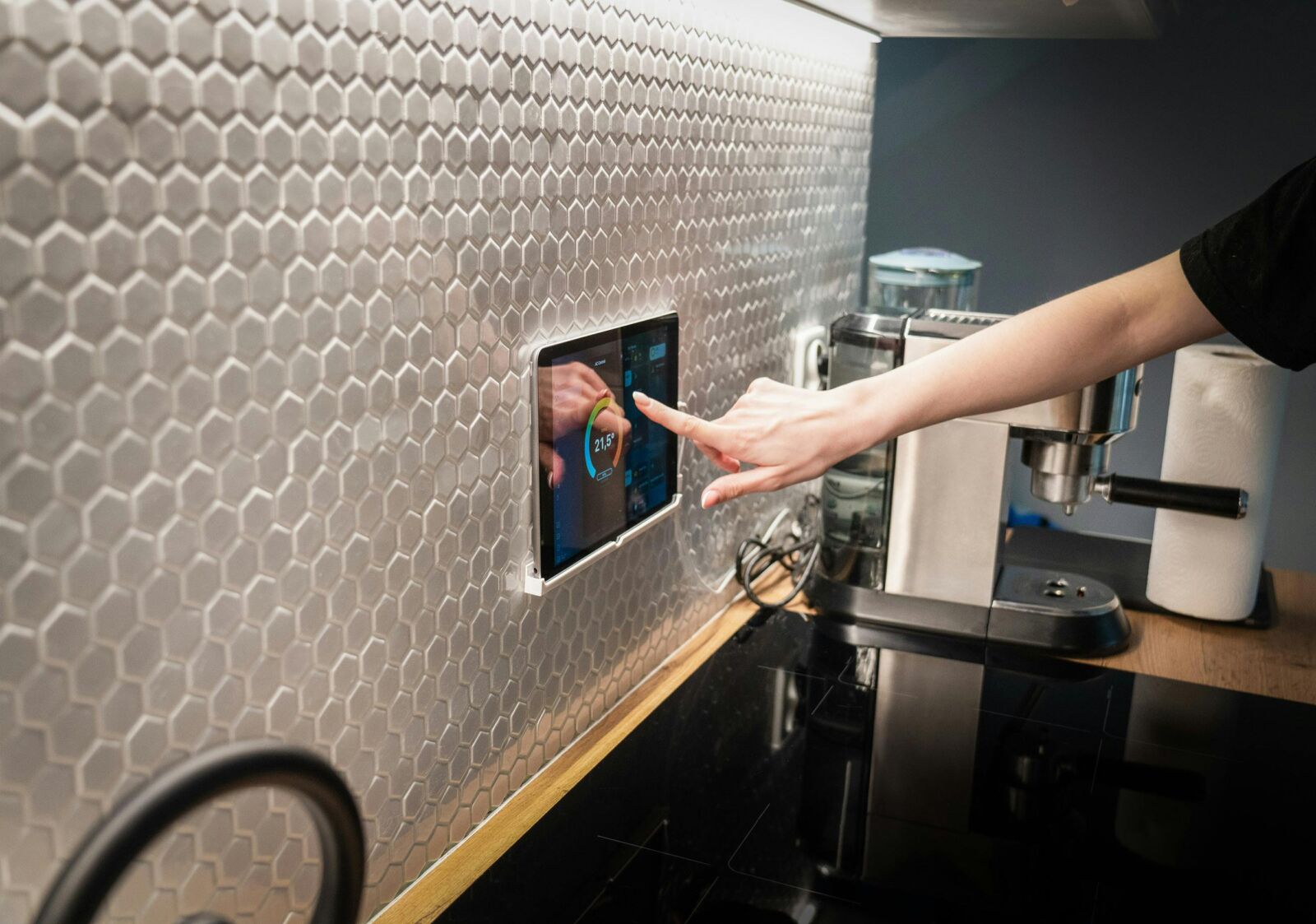
A smart home uses gadgets that connect to the internet. You control them with your phone or your voice. The gadgets talk to each other. They also talk to company computers far away.
Common Smart Home Devices
Most homes now have at least one of these:
- Smart speakers like Amazon Echo or Google Nest
- Smart TVs that suggest shows
- Video doorbells and home security cameras
- Smart lights and smart plugs
- Smart thermostats that learn when you sleep
Each one has a sensor. Some have a microphone. Some have a camera. Many have both.
Smart Tech Is Moving Into New Buildings
Builders now put smart tech straight into new homes. Many new condos come with smart locks and app controls. Buyers look at projects like Wynwood Grand in Singapore. They want modern, connected living. That makes sense. But every buyer should ask a few questions first. Who runs the app? Where does the data go? Can you switch it off?
How Your Smart Home Collects Data
Your Speaker Waits for a Wake Word
A smart speaker waits for a word like “Alexa.” It keeps its microphone on all day. Sometimes it wakes up by mistake. Then it records you without you knowing. In 2019, Amazon admitted that its staff listened to some Alexa clips. Workers checked the clips to train the system.
Your TV Watches What You Watch
Many smart TVs track every show you play. They use a tool called ACR. ACR spots what shows up on your screen. The TV maker then sells that data to advertisers. In 2017, Vizio paid $2.2 million over this exact thing.
Your Doorbell Sees the Whole Street
Video doorbells film more than your front door. They film your neighbours. They film kids on the way to school. They film anyone who walks past. Ring, owned by Amazon, once let police ask users for clips. Ring later admitted it gave police some videos without asking owners.
Why This Matters
One camera seems small. Millions of cameras build a huge web. Nobody voted for that web. Yet it grows every single day.
Who Gets Your Data?
Tech Companies
Tech firms store your voice clips and videos. They keep some of it for years. They use it to train their systems. Their privacy rules run very long. Few people read them. The companies know this.
Advertisers
Advertisers buy data about your habits. They learn when you wake up. They learn what you watch and what you buy. Then they hit you with ads.
Police and Hackers
Police can ask companies for your data. Courts can also order firms to hand it over. Hackers try to break in too. In 2019, a hacker got into a Ring camera in a child’s bedroom. The hacker spoke to the little girl through the speaker.
The Big Picture
You bought the device. But the company still holds the keys.
How to Take Back Control
Mute the Microphone
Most speakers have a mute button. Press it when you do not need help. A red light tells you the mic is off.
Change Default Passwords
Hackers love default passwords. Pick a long, strong password for every device. Turn on two-step login too.
Check the Settings
Open each app and look at the privacy settings. Turn off voice recording storage. Delete old clips. Switch off ACR on your TV.
Ask Questions Before You Buy a Home
Many new homes now come with smart systems built in. Families who look at homes like Solano Grand should ask clear questions. Which devices come with the unit? Who owns the data? Can you swap or remove the gadgets? A good developer gives clear answers. That way, you stay in charge of your own space.
Keep Some Things Dumb
You do not need a smart kettle. You do not need a smart fridge either. Pick only the gadgets that truly help you. Fewer devices mean fewer eyes in your home.
Conclusion
Smart home devices bring real comfort. They also bring real risks. Big companies want to know everything about your life. Your home should stay the one place they cannot reach. You can still enjoy new tech. Just use it with your eyes open. Mute the mic. Check the settings. Ask hard questions. Your privacy belongs to you. Nobody should take it without asking.
FAQs
1. Do smart speakers listen all the time?
Yes, they listen for a wake word all day. They should only record after they hear it. But they sometimes wake up by mistake.
2. Can I stop my smart TV from tracking me?
Yes, you can. Open your TV settings and look for “viewing data” or ACR. Switch it off. Each brand names it a little differently.
3. Can police see my doorbell videos?
Police can ask the company for your videos. A court can also order the company to share them. Read your app’s rules to learn more.
4. How can I keep hackers out of my smart home?
Use a strong password on every device. Turn on two-step login. Update your devices often. Keep your Wi-Fi password to yourself.
5. Should I avoid smart homes completely?
No, you do not need to. Just choose your devices with care. Learn the settings and use them. You decide what comes into your home.