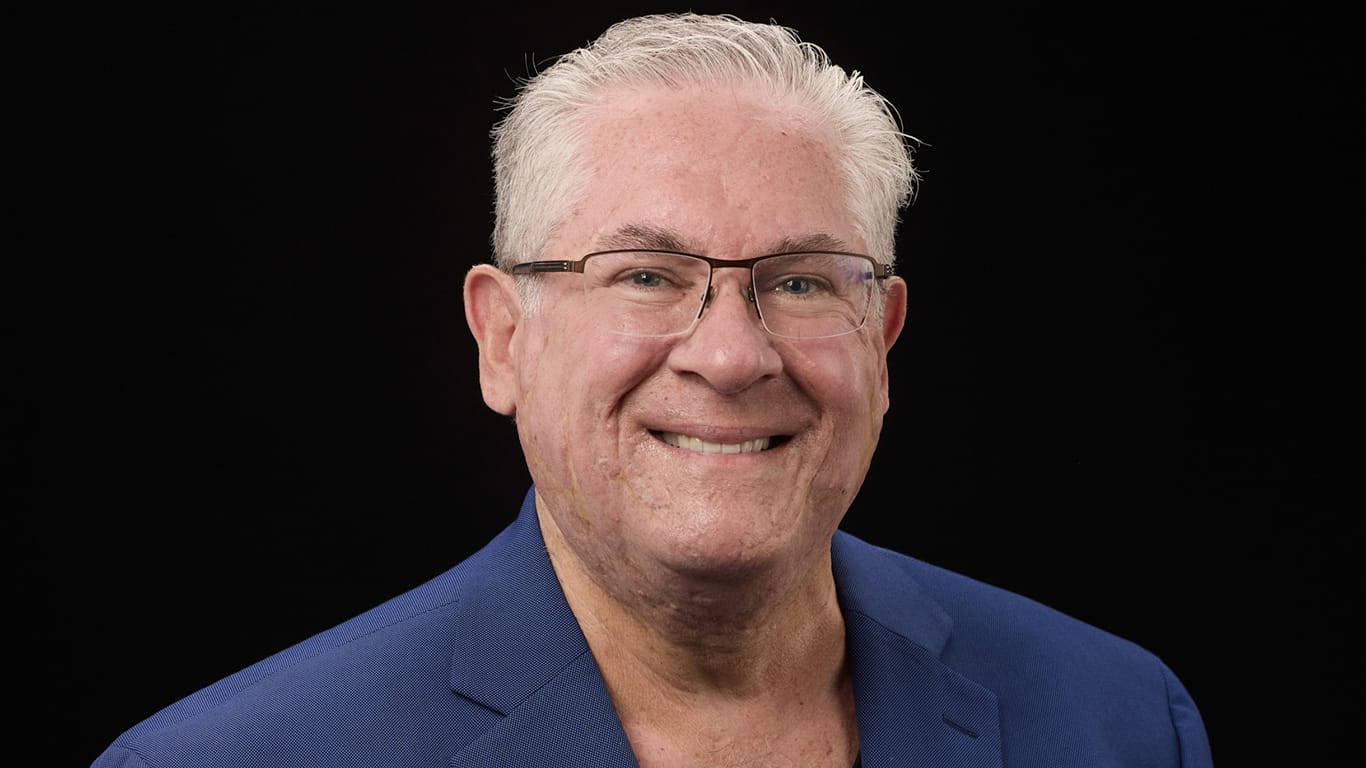
When Cuban–born Dr. Emilio Justo — one of the Phoenix area’s premier cosmetic and ocular surgeons — speaks of his mother country, he doesn’t speak in vague terms. He paints a bleak picture. Open hospital windows allowed unfiltered air to flood into rooms likely intended for sterilization, cooling the building. Pharmacies that “are just little rooms with empty shelves.”
Neighbors are afraid to speak more than a whisper because a misstep could result in “jail or worse.” “It was hard then,” he said. “But now it’s even rougher — with the blackouts and the fuel shortages.”
DEEPER DIVE: Read all the Ranking Arizona Top 10 lists here
INDUSTRY INSIGHTS: Want more news like this? Get our free newsletter here
A country in collapse
Cuba today is a country on fumes. Rolling blackouts can last from 10 to 18 hours. Fuel shortages are catastrophic; the buses don’t run and food spoils before it gets cooked. The government is losing legitimacy, and the desperation gets so deep that Cubans are resorting to the Darién Gap, homemade rafts, or smugglers to escape. Justo saw the early version of this collapse more than 20 years ago.
“If you would go to a pharmacy — I kid you not — they were empty,” said Justo, who released his debut book, “The Power of Pause: Mastering Delayed Gratification for Success.”
“That was 20-plus years ago. I mean, I can only imagine this now, and the electricity is gone, where you can’t refrigerate things consistently, whether it’s medicines or food.”
Fleeing Cuba and building a life
Justo fled Cuba with his parents in 1965 as refugees. He graduated from the University of Michigan in Ann Arbor and later built a career in Phoenix as an ophthalmologist, cosmetic surgeon, and TEDx speaker.
At age 27, he founded the Arizona Eye Institute & Cosmetic Laser Center, which has locations in Sun City, Sun City West and Wickenburg.
“I love what I do, and I love seeing how people have benefited from it,” he said.
“When I perform cataract surgery, I’m so happy with their restored vision or their diminished reliance on glasses.”
He has even more credibility in the realm of esthetic ocular plastics.
“Eyelid surgery — organically and insidiously — has become my ‘claim to fame,’” he said.
He was one of the first doctors in Metro Phoenix to use a carbon dioxide laser for blepharoplasty and laser skin resurfacing. He now employs a CO₂ laser only.
Back to Cuba
His journey to return to Cuba was anything but easy. Because his American passport still named Cuba as his birthplace, he had to go through “a very, very lengthy visa application — literally four months” of formal examination to be able to prove that he was not “some sort of counter-revolutionary.”
His mother was adamant about accompanying him, terrified that the government would not allow him to leave.
“She was extremely, extremely paranoid,” he said. “She recalled Cuba as it used to be, and she was very, very distraught, and really depressed.” What he discovered was a nation crumbling — but also a people who were unwilling to crumble with it. “I think it was an incredible experience,” he said.
“Even as the country collapsed, I found beautiful things. And the people are just amazing — they are colorful, they are happy, good people.”
A two-tiered healthcare system
Many novices misconstrue Cuba’s healthcare system, he said. The country is home to one of the best systems in Latin America — but that is reserved for foreigners and dignitaries. “It is a two-tiered system,” he said.
“You have your system for the native Cubans and then you have your healthcare system for tourists.”
The difference is stark.
“I toured hospitals. They had almost nothing,” he added. “The windows were open. There were not very sterile conditions. Limited medication. Empty pharmacies.”
What scarcity teaches
Justo knows what it means to live in a country where its residents are unable to get ahead — if you are a doctor or a taxi driver or anything similar. “They take the same pay,” he said. And he knows how Cubans, who have the chance at better or whatever, would choose not to live there now. “If they could see an end in sight, they would happily go through the sacrifice,” he added. “They know what’s out there.”