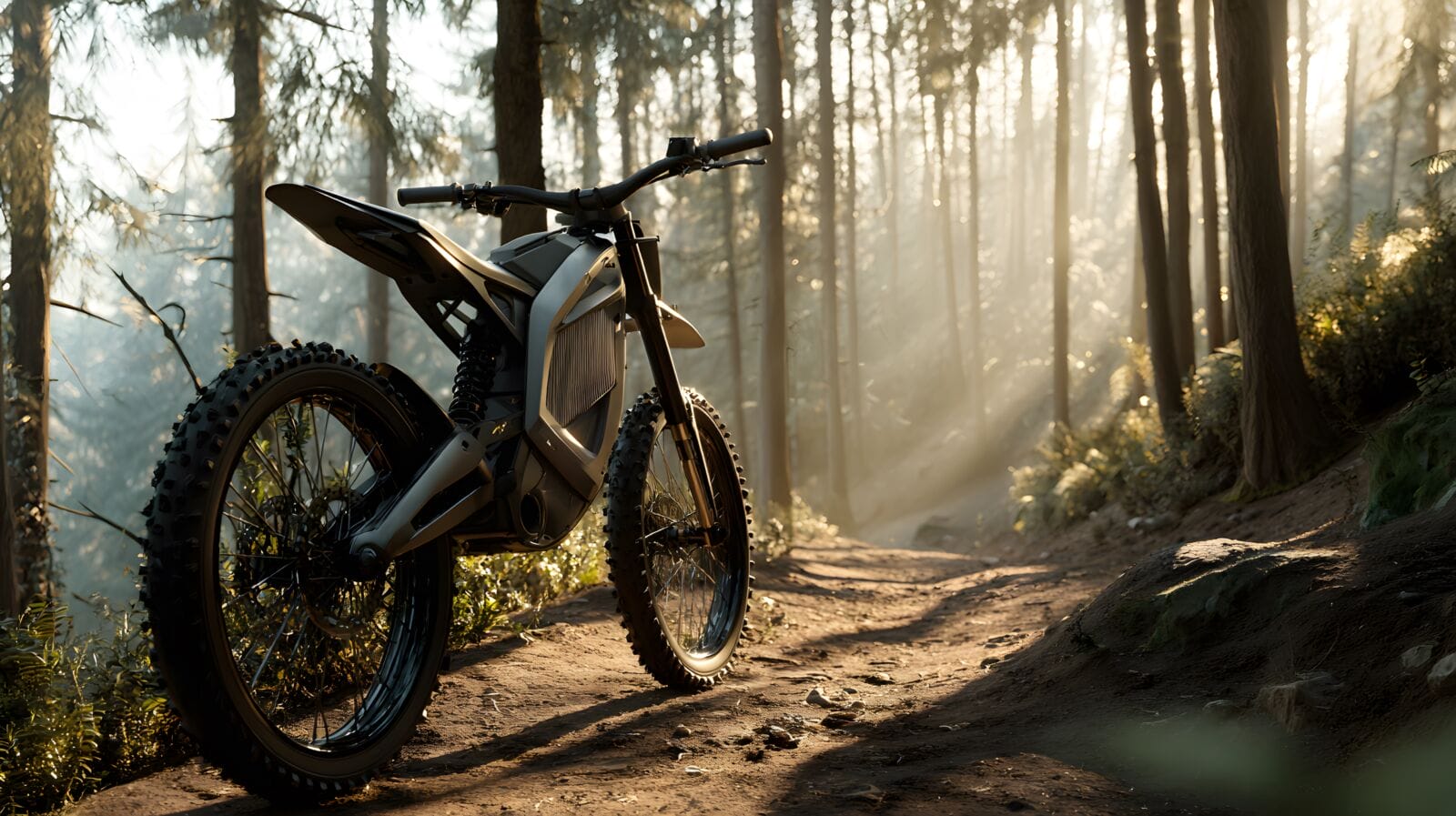
Shopping for an electric dirt bike used to involve a relatively small set of products. Today, riders encounter lightweight recreational bikes, youth models, adult trail machines, high-output off-road vehicles, and products that sit close to electric motorcycles.
More choice is useful, but it also makes the market harder to understand. Similar-looking bikes can differ substantially in performance, legal classification, service support, and intended use. Riders need a better framework than choosing the highest motor number or the most aggressive design.
The Category Is Splitting Into Clearer Segments
The phrase “electric dirt bike” now covers vehicles built for very different jobs. Some prioritize low weight and approachability. Others use stronger frames, larger batteries, and motorcycle-style suspension for adult trail riding. The fastest models may require the same caution, protective equipment, and legal attention as other off-highway motorcycles.
Before comparing specifications, identify the segment that fits your use. A bike for learning on private land does not need the same chassis or output as one intended for steep, technical terrain. Paying for performance you cannot use may make the bike heavier, more expensive, and harder to control.
Motor Specifications Need Context
Rated power, peak power, torque, voltage, and controller output are often presented side by side, even though they describe different aspects of the system. Peak wattage may indicate short-term potential, but it does not explain how long that output can be sustained or how smoothly it reaches the rear wheel.
Riders should look for information about throttle response, riding modes, thermal protection, gearing, and the complete drivetrain. On loose terrain, predictable delivery can be more useful than sudden acceleration. A lower mode that is genuinely controllable adds practical value rather than serving only as a marketing feature.
Range Claims Require Realistic Interpretation
Electric dirt bike range changes with speed, rider weight, surface, elevation, temperature, tire pressure, and riding style. Frequent climbing and acceleration can consume energy much faster than steady riding on firm ground.
Instead of treating the maximum range figure as a guarantee, compare it with your normal ride. Consider how far you travel from the starting point, whether you can charge between sessions, and how much reserve you want at the end. Battery capacity can help compare models, but it still needs to be evaluated alongside motor demand and bike weight.
Charging time and battery removability also matter. A removable pack may simplify indoor charging, while an integrated pack may contribute to a cleaner chassis design. Neither approach is automatically better.
Chassis Quality Is Receiving More Attention
As the market matures, buyers are looking beyond the electrical system. Suspension, brakes, tires, frame geometry, and weight distribution determine how a bike behaves when terrain becomes difficult.
A powerful bike with basic suspension can feel uncontrolled over repeated bumps. Strong acceleration without predictable brakes creates a similar mismatch. Wheel size affects stability and maneuverability, while total weight influences loading, lifting, and low-speed handling.
The changing market rewards complete designs. Riders should ask whether every major component supports the speed and terrain the manufacturer promotes.
Brand Support Is Part of the Product
New brands and models appear frequently in a growing category. That makes after-sales support increasingly important. A low purchase price is less attractive if replacement brake components, chargers, displays, controllers, or batteries are difficult to obtain.
Review the warranty, parts catalog, service process, documentation, and contact options before buying. Businesses such as heybike sports are not only selling a specification sheet; riders will judge them on whether ownership remains practical after the first season.
Battery support deserves special attention because the pack is a high-value, model-specific component. Use approved chargers and compatible replacement parts rather than assuming any pack with similar voltage is safe or suitable.
Legal Classification Is Still Uneven
One of the largest sources of confusion is the assumption that every electric two-wheeler follows ordinary e-bike rules. Many electric dirt bikes use throttles, exceed common bicycle power limits, or reach speeds beyond standard e-bike classes. Depending on location, they may be treated as off-highway vehicles or motorcycles.
That classification can affect registration, required equipment, age limits, insurance, and access. A bike may be suitable for private property and designated riding areas but not for public roads or bicycle trails.
Check the rules for the exact vehicle and location before buying. Product names such as “bike” or “e-bike” do not determine legal status.
Used Values and Upgrades Will Become More Important
As more electric dirt bikes enter the market, owners will pay closer attention to battery condition, software compatibility, and parts continuity. These factors can influence resale value. A well-supported model with documented battery care may be easier to evaluate than an obscure bike with no replacement ecosystem.
Performance modifications also require caution. Changes to controllers, batteries, gearing, or power settings can affect reliability, heat, range, warranty coverage, and safety. More output does not help if the brakes, frame, or battery were not designed for it.
Test the Ownership Experience, Not Just the Ride
A short test ride can reveal fit and throttle behavior, but it cannot answer every ownership question. Imagine the full routine: transporting the bike, charging it, storing it, cleaning it, finding parts, and planning routes around battery use.
Compare models within the correct segment. When browsing a collection of battery-powered dirt bikes, separate must-have requirements from attractive extras. Rider fit, terrain, legal access, and service support should remain ahead of display features or peak specifications.
Better Choices Will Shape the Market
The electric dirt bike market is becoming broader and more competitive. That does not make purchasing simpler, but it gives riders more opportunity to find a bike aligned with their needs.
The most informed buyers will treat the vehicle as a system. They will evaluate usable power, realistic range, chassis capability, support, and access together. Manufacturers that communicate those factors clearly—and deliver reliable ownership after the sale—will help define the next stage of the category.