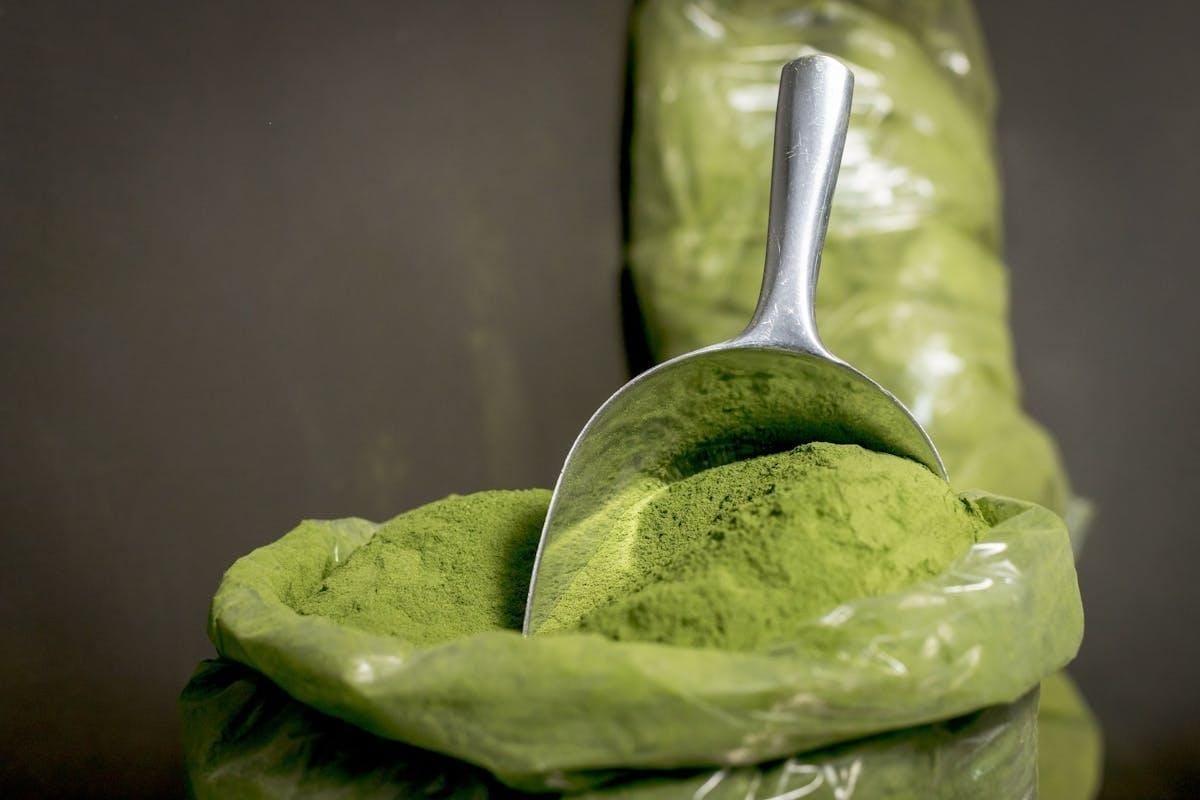
Walk into almost any health food store, smoke shop, or gas station in Arizona, and you will likely find kratom sitting on the shelf next to protein powders and herbal supplements.
It comes in powders, capsules, and brightly packaged drinks with names that suggest energy and wellness. What it does not come with is a warning label that tells the full story.
Kratom is quietly becoming one of the most misunderstood and misused substances in the Southwest, and Arizona sits at the center of that growing concern.
This article breaks down what kratom actually is, why it has gained such a foothold in the state, and what families and individuals need to know before assuming it is safe because it was purchased at a health store.
What Is Kratom and Why Is It Sold Legally?
Kratom comes from the leaves of Mitragyna speciosa, a tree native to Southeast Asia. For centuries, workers in countries like Thailand and Malaysia chewed the leaves to manage fatigue and pain during long days of physical labor. In those traditional contexts, use was tied to specific cultural and occupational needs.
DEEPER DIVE: Read all the Ranking Arizona Top 10 lists here
INDUSTRY INSIGHTS: Want more news like this? Get our free newsletter here
How Kratom Works in the Body
What makes kratom pharmacologically complicated is that it does not behave like one substance. At lower doses, its active compounds, mitragynine and 7-hydroxymitragynine, act as stimulants, producing alertness and mild euphoria.
At higher doses, those same compounds bind to opioid receptors in the brain and produce effects similar to opioids, including sedation, pain relief, and a significant anxiety reduction.
That dual nature is part of why kratom has attracted so much attention from people trying to self-manage opioid withdrawal. It is also why researchers and clinicians are alarmed.
Arizona’s Unique Vulnerability to Kratom Misuse
Arizona has been fighting opioid-related deaths for years. That context matters when we look at why kratom has spread so quickly through the state. People who cannot access addiction treatment, who are ashamed to ask for help, or who genuinely believe kratom is a safe, plant-based alternative are turning to it in large numbers.
The Supplement Loophole That Keeps Kratom on Shelves
Kratom occupies a legal gray area in the United States. The FDA has not approved it for any medical use and has issued multiple warnings about its safety. The DEA once attempted to classify it as a Schedule I substance but reversed course after significant public pushback. Without federal scheduling, individual states and cities set their own rules.
Arizona passed the Kratom Consumer Protection Act in 2019, which regulates how kratom is sold rather than banning it outright. The law requires age verification and prohibits certain additives, but it does not prevent the product from being widely available to adults. The result is a substance with opioid-like effects sitting next to vitamins at the checkout counter.
The Real Risks That Do Not Make the Label
Most people who pick up kratom at a health store assume that if it is sold openly, it has been evaluated for safety. That assumption is incorrect.
Physical Dependence and Withdrawal
Kratom use can lead to physical dependence relatively quickly. Regular users who attempt to stop report withdrawal symptoms that mirror opioid withdrawal: sweating, nausea, muscle aches, irritability, insomnia, and intense cravings. The timeline varies, but for daily users, withdrawal can begin within 12 to 24 hours of the last dose.
This is not a mild inconvenience. For someone who started taking kratom to manage back pain or because a friend said it helped with anxiety, discovering that stopping feels medically difficult can be deeply frightening.
Mental Health Complications
Beyond physical dependence, kratom has been associated with psychiatric effects, including psychosis, hallucinations, and worsening depression. People with pre-existing mental health conditions are particularly vulnerable. Heavy use has also been connected to a rare but serious condition called kratom-induced cholestatic hepatitis, a form of liver damage.
The FDA’s adverse event reporting system has linked kratom to dozens of deaths, many in combination with other substances, but some involving kratom alone.
Who Is Using Kratom in Arizona and Why
Understanding who reaches for kratom matters for anyone trying to respond to this issue compassionately. The people most likely to develop problematic kratom use are not reckless. They are often people in pain, physical or emotional, who have found something that worked for a while.
Self-Medicating Opioid Withdrawal
A significant subset of kratom users are people who became dependent on prescription opioids or heroin and found that kratom blunted withdrawal symptoms. The reasoning is understandable: kratom is legal, cheaper, and available without a prescription. The problem is that replacing one opioid-acting substance with another without medical supervision rarely leads to lasting recovery.
Anxiety, Chronic Pain, and the Search for Relief
Others come to kratom looking for help with anxiety, PTSD, chronic pain, or sleep problems. In a state where mental health resources are stretched thin and wait times for psychiatry appointments can stretch for months, kratom represents immediate, accessible relief. That accessibility is both its appeal and its danger.
What Treatment Actually Looks Like
Addressing kratom dependence requires the same compassion and clinical structure as any substance use disorder. Someone who has become dependent on kratom is not weak or foolish. They are dealing with a substance that affects the same brain pathways as opioids.
Medically Supported Detox and Ongoing Care
Kratom withdrawal is rarely life-threatening on its own, but that does not mean someone should navigate it alone. Medically supervised detox allows clinicians to manage symptoms, address dehydration, and screen for complications. In some cases, medications used in opioid use disorder treatment, such as buprenorphine, have been used off-label to ease kratom withdrawal.
After detox, the real work begins. Individuals benefit from therapy that addresses the underlying reasons they turned to kratom in the first place. Whether that means treating chronic pain without opioid-acting substances, working through trauma, or building skills to manage anxiety, recovery requires a personalized approach.
For Arizona residents wondering where to begin, speaking with a primary care provider is a reasonable first step, and contacting a Tucson treatment center or a Phoenix-area facility that specializes in substance use disorders can open the door to a proper evaluation.
What Arizona Families Should Know
If someone you love is using kratom regularly, the most important thing you can do is stay curious rather than confrontational. Ask what they are using it for. Try to understand the need it is filling before addressing the risk. Shame rarely helps someone move toward treatment.
Signs That Use Has Become Problematic
Watch for increasing tolerance, meaning the person needs more to get the same effect. Look for withdrawal symptoms if they go a day without it, or if they become preoccupied with having a supply on hand. Kratom use that begins to affect work, relationships, or finances deserves professional attention.
The Broader Conversation Arizona Residents Need to Have
Kratom is not going away quickly. The industry is profitable, the product is legal, and many users report genuine short-term benefits. That makes the conversation more nuanced than a simple warning, and it also makes it more important.
Regulation Without Stigma
Public health advocates in Arizona are pushing for better labeling, stronger dosing disclosures, and increased awareness among healthcare providers about kratom dependence. Physicians who are not asking patients about kratom use may be missing an important piece of the clinical picture.
At the same time, the people using kratom deserve to be treated with the same dignity extended to anyone navigating substance use. The goal is not to shame them out of a behavior but to ensure they have accurate information and access to real support when they need it.
Kratom may be sitting on a health store shelf in Arizona, but that shelf placement does not make it harmless. It makes it a conversation we can no longer afford to avoid.