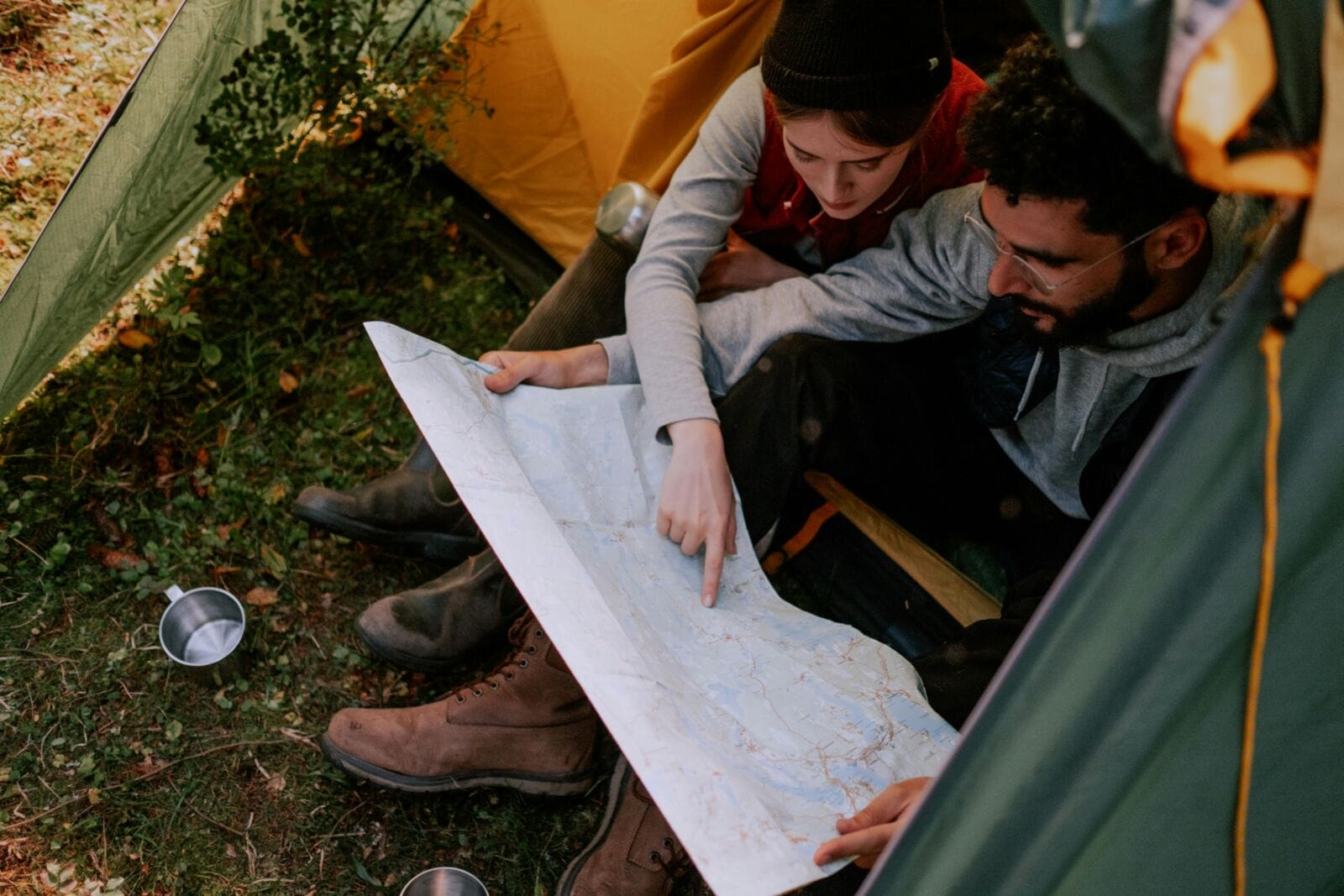
Sleeping under open skies sounds like a dream until cold rain hits your thin canvas shelter unexpectedly. Preparing for the outdoors takes minor planning so your weekend getaway stays fun and stress-free for everyone involved. Taking quick preparation steps guarantees your trip runs smoothly without unwanted surprises.
Packing smart and understanding basic campsite habits keeps minor hiccups from ruining your adventure. Standard prep work makes all the difference when stepping into nature for 2 or 3 days. Spending a little extra effort early pays off immensely later on.
Test Gear in Your Backyard
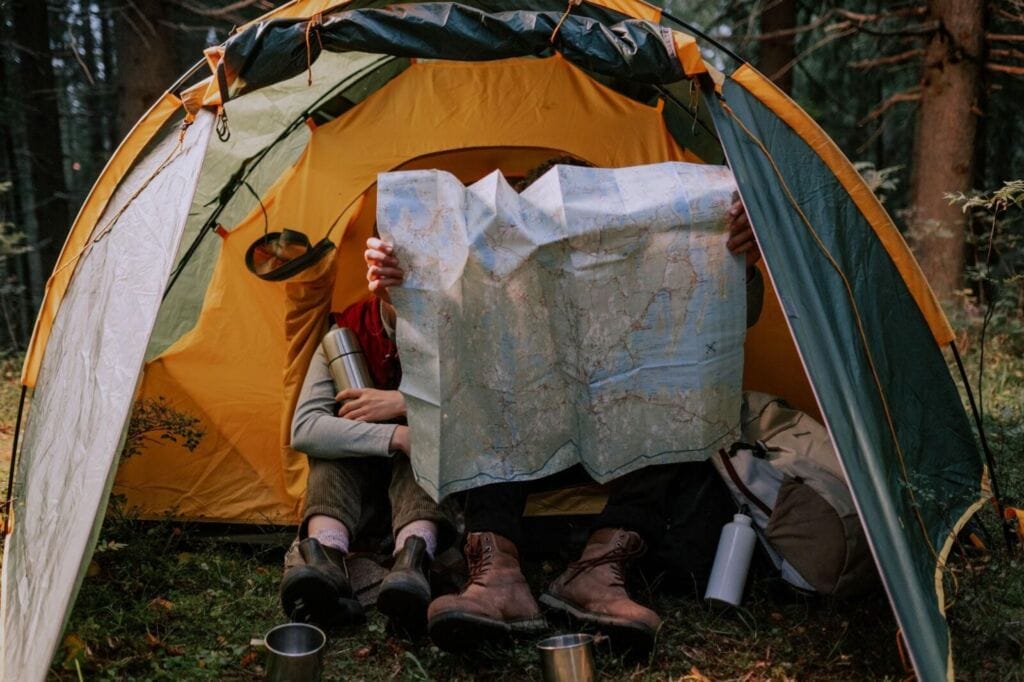
Setting up a brand new tent in pitch darkness as hungry mosquitoes swarm is pure misery. A quick trial run at home saves precious time and prevents unexpected gear frustration at the campground. You want your setup routine to feel smooth and familiar.
Outdoor safety guides from KOA suggest pitching a tent in your yard to verify every pole and stake works correctly. Finding a missing component in your green grass is far easier than searching in deep woods.
Checking zippers and rain seams in advance prevents bad surprises when high winds hit your campsite. You can patch minor tears or re-waterproof seams long before heading out toward your designated trail.
Manage RV Fresh Water Weights
Driving a heavy camper with full liquid tanks drastically reduces your fuel mileage on highway trips. Extra weight causes additional wear on tires and brakes during long drives across state lines. Traveling lighter keeps your vehicle performing at its best.
Long road trips require careful route planning to find reliable campgrounds along your drive. Smart travelers who research options like a Thousand Trails membership can find spots with full hookups easily. Having guaranteed hookups means carrying hundreds of extra pounds of liquid across state lines is unnecessary.
Camping tips from MyVanture recommend filling your fresh water storage to a third or half capacity prior to driving. Top off the rest after arriving at your destination water station to save fuel costs.
Handle Electronics Safely Inside Tents
Modern camping usually includes smartphones, portable fans, or rechargeable headlamps for night safety. Powering these electronic devices inside small fabric quarters requires extra vigilance from everyone.
Fire prevention reports from SafeLincs advise against charging electronic devices underneath bedding or tucked into sleeping bags. Trapping heat around power bricks risks dangerous overheating inside flammable canvas shelters. Always maintain proper airflow around batteries during charging.
Keep all power packs sitting on flat wooden or metal surfaces off soft fabrics and blankets. Unplug everything once battery meters hit 100 percent capacity to remain safe overnight.
Prepare for Changing Weather Conditions
Mountain forecasts change within 30 minutes without much warning on standard weather apps. Packing extra clothing layers keeps damp morning chills from ruining long day hikes through dense forests. Quick shifts in temperature demand flexible wardrobe choices for comfort.
Heavy wool socks and waterproof boots keep feet dry during sudden outdoor rainstorms. Wet feet create painful skin blisters that stop outdoor activities instantly for camper groups.
Store extra blankets inside waterproof plastic storage bins rather than loose fabric duffel bags. Dampness creeps inside fabric shelters rapidly when the sun sets below tree lines at night. Keeping extra linens dry guarantees a warm night of restful sleep.
Follow Proper Campfire Protocols
Fire pits demand full attention from the moment dry sparks fly until embers go dark. Never leave burning wood logs unattended, even for a 5-minute trip to rest facilities.
Keep 2 large buckets of water near the fire ring before lighting dry tinder. Douse hot coals completely until smoke stops rising before turning in for sleep. Making sure your fire is dead out prevents dangerous wildfires from starting overnight.
Good campsite safety habits protect nearby woods from accidental brush fires:
- Clear 10 feet of dry leaves and pine needles around your fire pit.
- Keep camp chairs at least 4 feet away from open flames.
- Drown ember ashes in water and stir thoroughly with a stick until cool.
Leave No Trace Behind
Natural spaces stay clean only when visitors clean up after themselves at every site. Pack out every scrap of food waste and plastic wrapper you bring into wilderness areas. Leaving zero trace protects natural habitats for native forest plants and animals.
Wildlife quickly becomes accustomed to human scraps if trash sits open overnight around tents. Secure all garbage inside locked vehicle trunks or bear-proof trash containers provided by parks.
Respecting nature keeps public parks open and enjoyable for future outdoor travelers. Simple habits build big protections for local forests and wildlife populations. Leaving campsites cleaner than you found them benefits every outdoor enthusiast who follows.
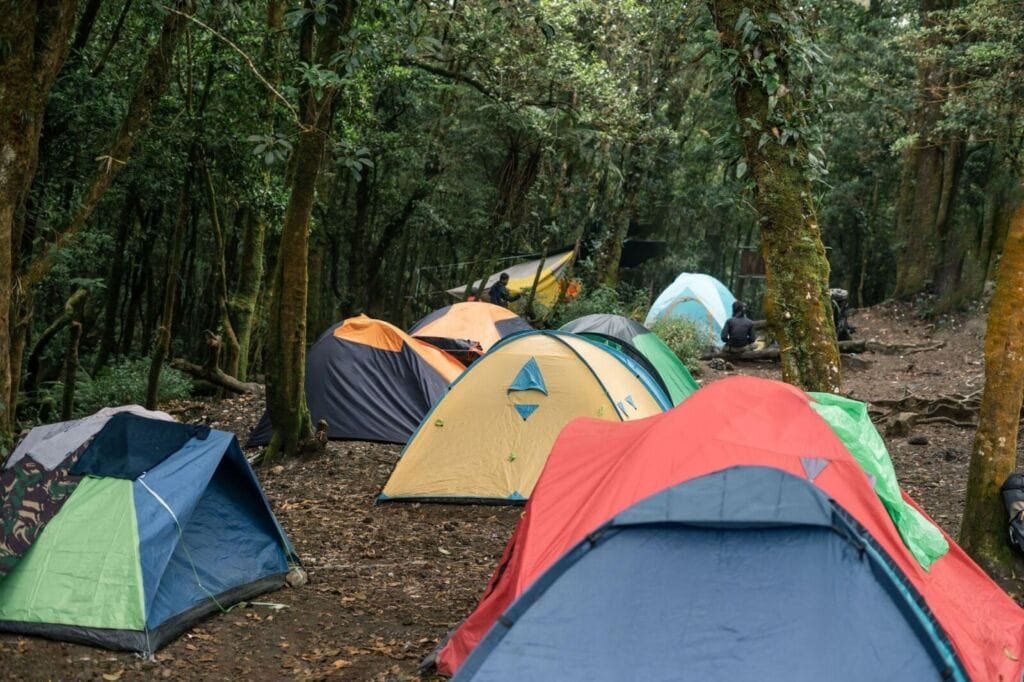
Getting outdoors recharges your spirit and connects you with nature in fresh ways. Proper prep work turns risky situations into smooth outdoor memories for family and friends. Taking time to prepare makes every wilderness trip rewarding and stress-free.
Grab your gear, check your supplies, and hit the trail with confidence. Adventure awaits around every turn when you plan properly for your trip. Enjoying the great outdoors begins with solid preparation before leaving home.