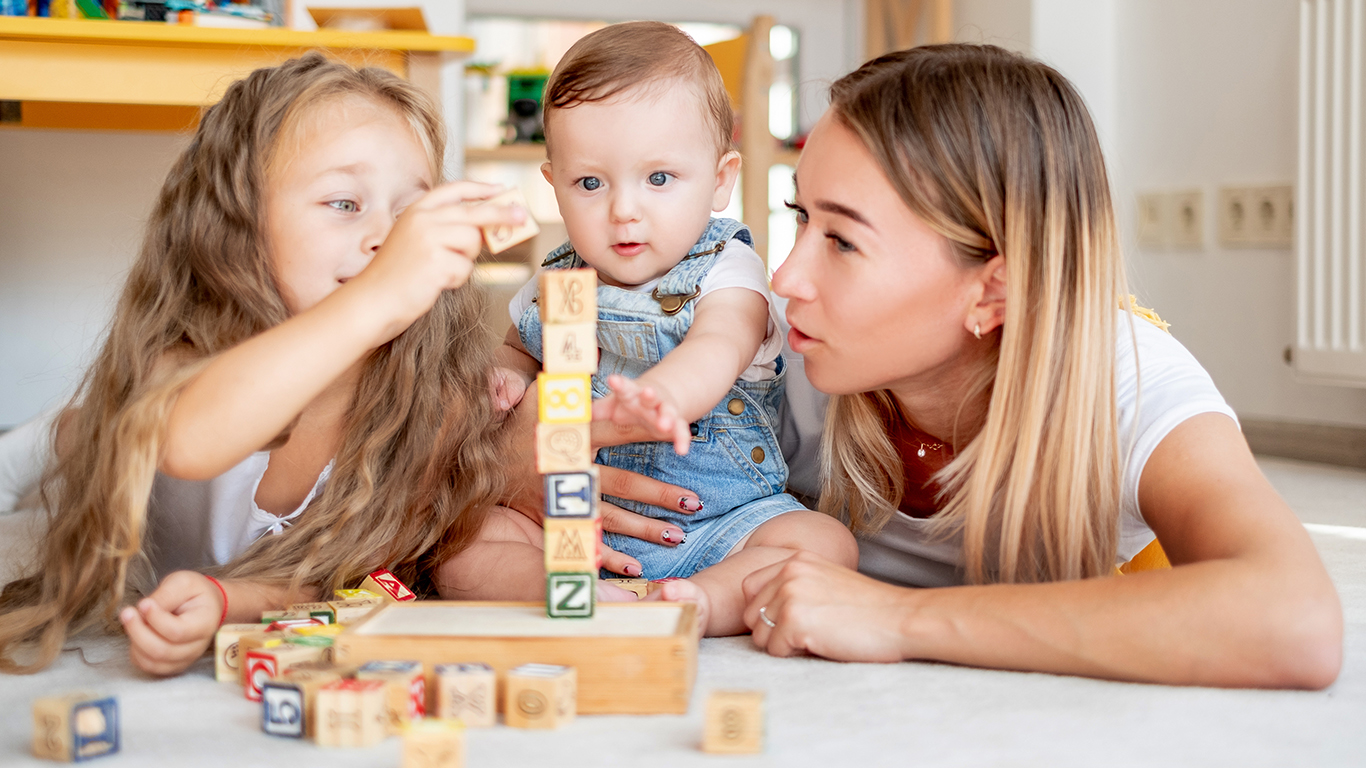
Becoming an au pair is a significant step for anyone considering life in another country. It combines work, responsibility, cultural exposure, and the challenge of adapting to a new environment. The experience can be rewarding, but its value is not limited to the opportunity to travel or spend time abroad.
For many people, the most lasting benefits come from the skills and perspective developed along the way. Living with a host family and taking responsibility for children requires flexibility, patience, communication, and a willingness to learn. Those lessons can continue to matter long after the experience ends.
Understanding What Life as an Au Pair Is Really Like
Before becoming an au pair, it helps to have a realistic idea of what the experience involves. The role combines childcare with everyday life in a host household, so it is different from simply taking a job in another country. There are responsibilities to manage, routines to follow, and relationships to build.
An au pair also becomes part of a family environment while maintaining specific responsibilities. That can make the experience feel more personal than a typical workplace arrangement. It requires respect for household routines, clear communication, and an ability to adjust when expectations differ from what someone is used to at home.
For someone researching the possibility, it is worth looking beyond the idea of travel and considering what the day-to-day experience might actually feel like. Learning about the matching process, host family expectations, childcare responsibilities, available support, and life abroad can make the decision much easier. At https://www.culturalcare.com/, prospective au pairs understand how the experience works and decide whether it fits their goals, personality, and plans for spending time abroad.
Having a clear picture beforehand does not mean knowing exactly how everything will unfold. Every host family and au pair experience is different. It simply provides a stronger starting point and makes it easier to approach the opportunity with realistic expectations.
Becoming More Independent Away From Home
Living away from familiar surroundings can reveal how capable a person really is. Tasks that once seemed routine may require more planning when family, friends, and familiar systems are no longer nearby.
An au pair may need to manage a schedule, navigate a new community, communicate with people from different backgrounds, and make decisions without relying on the usual support network. These responsibilities can build confidence gradually.
Independence rarely develops from one major event. It grows through repeated everyday decisions. Over time, handling unfamiliar situations becomes less intimidating, and problem-solving becomes more natural.
That sense of independence can also change how someone approaches future opportunities. A person who has already learned to settle into an unfamiliar environment may feel more prepared to move, study, work, or travel somewhere new later.
Building Real-World Childcare Skills
Childcare is at the center of an au pair’s responsibilities, making the experience particularly valuable for anyone interested in working with children in the future.
Caring for children involves much more than keeping them occupied. It can require patience, organization, creativity, and the ability to respond calmly when plans change. Daily responsibilities may include preparing meals, helping with activities, getting children ready for school, or keeping track of schedules.
Working with children also teaches the importance of clear communication. Children respond differently depending on their age, personality, and needs. Learning to recognize those differences can develop practical skills that are difficult to gain from theory alone.
Research on childcare workers also highlights the importance of emotional competence and responsiveness when building positive relationships with children. A study published in the Infant Mental Health Journal found that caregivers’ emotional regulation and responsiveness were associated with closer and more supportive relationships with children. This suggests that qualities such as patience, attentiveness, and emotional awareness can be just as important as practical childcare experience.
The experience can also teach responsibility in a very direct way. When children depend on someone to be prepared, attentive, and reliable, small decisions suddenly carry greater importance.
Learning to Adapt to a Different Family’s Routine
Once childcare responsibilities are understood, another important lesson begins: learning how to become comfortable within someone else’s household.
Every family has its own habits. Meal times, communication styles, rules, and expectations can vary considerably. An au pair needs to respect those differences while also communicating clearly about personal needs and boundaries.
This requires flexibility, but flexibility does not mean ignoring personal limits. Good communication helps both sides understand what is expected and makes it easier to resolve small misunderstandings before they become larger problems.
Living within another family’s routine can also teach awareness. What seems normal in one household may be unfamiliar in another. Learning to observe before making assumptions can become a valuable habit in many other areas of life.
Improving Language Skills Through Everyday Life
Language learning takes on a different meaning when it becomes part of everyday life.
Instead of practicing only in a classroom, an au pair may use a second language during conversations with children, host parents, friends, teachers, shopkeepers, and people in the local community. Some conversations will be easy. Others may require patience and a willingness to ask questions.
That regular practice can make communication feel more natural over time. Mistakes become part of the learning process rather than something to avoid.
Language skills can also improve through listening. Understanding different accents, expressions, humor, and informal phrases provides insight that textbooks cannot always offer. Even ordinary conversations can become useful lessons.
Experiencing Culture Beyond the Tourist Perspective
Travel can introduce someone to a new country, but living there offers a different perspective.
An au pair has the opportunity to experience ordinary routines alongside the people who live there. Food, celebrations, family habits, local customs, and social expectations become part of everyday life rather than simply something observed during a short visit.
The experience is also a two-way exchange. An au pair brings personal traditions, language, food, and stories into the household while learning about the host family’s culture.
That exchange can challenge assumptions and encourage a more open view of differences. It can also make familiar habits seem different when viewed from another perspective.
The result is a deeper understanding of what daily life can look like in another culture. That perspective can stay with someone long after returning home.
Developing Skills That Stay With You
The lessons learned through an au pair experience are not limited to childcare or cultural awareness. Many of the skills developed are useful in almost any future setting.
Time management becomes important when several responsibilities need attention. Problem-solving becomes necessary when plans change unexpectedly. Communication improves through constant interaction with people who may have different expectations.
Responsibility also becomes more meaningful when other people depend on it. An au pair must be reliable, organized, and willing to take ownership of daily tasks.
These abilities can be useful when starting university, entering a new workplace, traveling independently, or taking on other responsibilities later in life. The experience can therefore become part of a much broader process of personal and professional growth.
Making the Most of the Experience
The value of an au pair experience also depends on how the time is used outside regular responsibilities.
Free time can provide opportunities to explore the local area, meet other people, try unfamiliar activities, and learn more about the surrounding community. Building friendships with other au pairs can be particularly helpful because they may be experiencing many of the same challenges and adjustments.
There is also value in making time for activities that connect people. Family outings, outdoor adventures, and shared experiences can create meaningful memories while helping an au pair feel more connected to the place they are living.
Family activities do not have to be complicated to be memorable. Outdoor adventures such as hikes, scavenger hunts, and picnics can provide simple ways for families to spend time together.
Being open to those everyday experiences can make life abroad feel less like a temporary stay and more like an opportunity to participate in a community.
Conclusion
Becoming an au pair can offer much more than the chance to live in another country. It can be an opportunity to develop independence, gain practical childcare experience, improve communication skills, and understand another culture through everyday life.
The experience also requires flexibility and responsibility. Those demands can be challenging, but they are part of what makes the experience valuable. For someone prepared to learn, adapt, and take an active role in a new environment, becoming an au pair can provide lessons that remain useful well beyond the time spent abroad