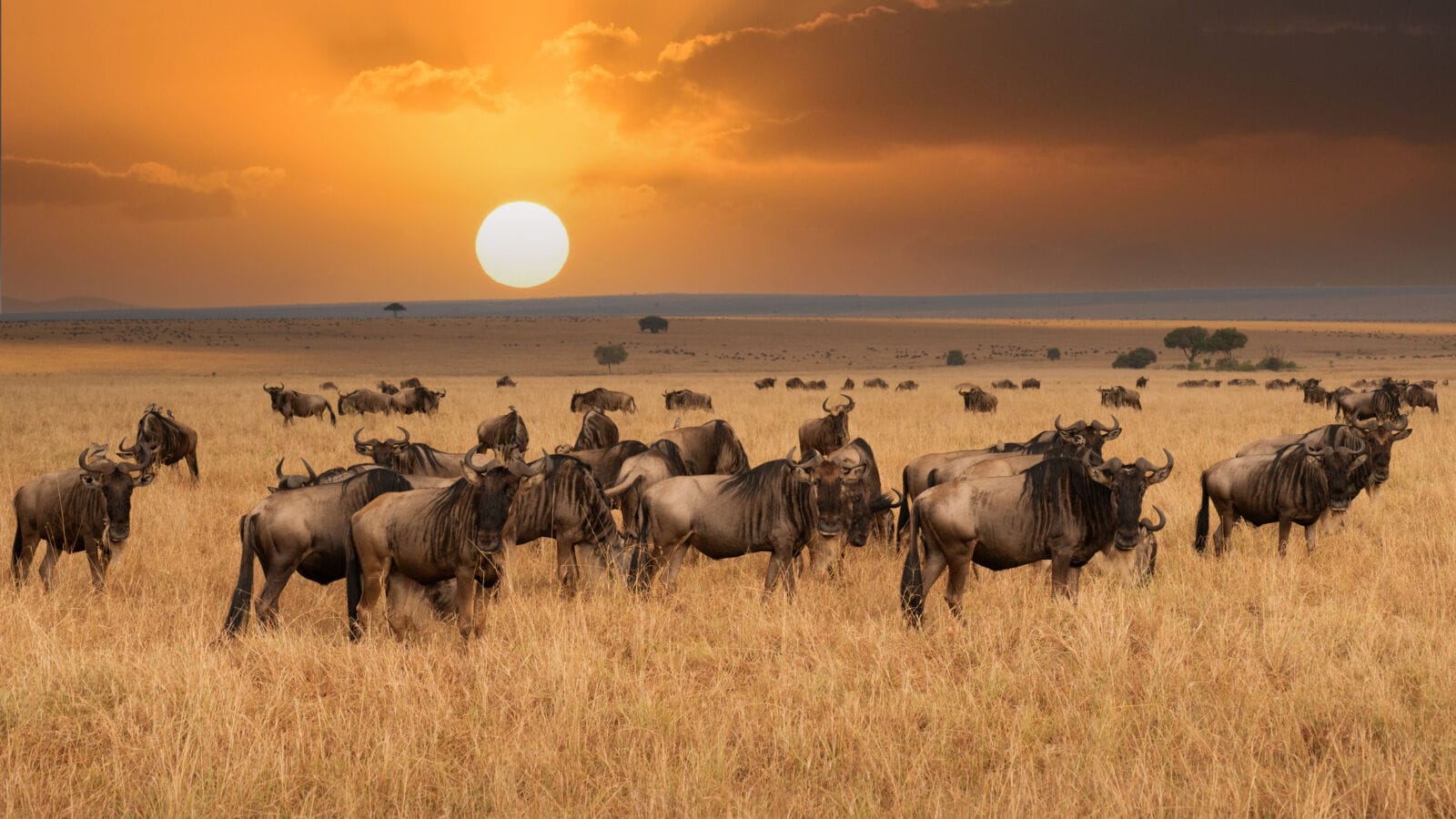
There are some wildlife events so extraordinary that they seem almost unreal until you witness them in person. The Great Wildebeest Migration is one of those events. It is not simply a safari highlight or a famous travel attraction. It is one of the most remarkable natural spectacles on Earth. Vast herds move across the plains in search of fresh grazing, shaping the rhythm of the ecosystem and creating one of the most dynamic wildlife experiences a traveler can see. For many safari enthusiasts, photographers, nature lovers, and first-time Africa visitors, seeing the migration is the very definition of a dream journey.
Yet while the migration is widely known, truly experiencing it well takes more than showing up in the right country and hoping for the best. Timing matters. Location matters. Route planning matters. The migration is constantly moving, and no two experiences are exactly alike. That is why many travelers choose to experience the Great Wildebeest Migration with Safari Soles. A thoughtfully planned safari can make the difference between a general wildlife trip and a deeply rewarding migration-focused adventure.
Safari Soles offers the kind of local insight and careful itinerary planning that helps travelers make the most of this extraordinary event. Rather than relying on guesswork or broad assumptions, guests benefit from a safari approach designed around the realities of movement, seasonality, and the traveler’s own expectations.
What Is the Great Wildebeest Migration?
The Great Wildebeest Migration is a year-round cycle of movement involving huge numbers of wildebeest, along with zebras and other grazing animals, as they travel through the Serengeti ecosystem in search of food and water. It is often described as one of the largest terrestrial wildlife movements in the world, and for good reason. The scale is astonishing. Herds stretch across the landscape in numbers that are difficult to fully grasp until you are there.
But the migration is not just about size. It is about movement, survival, tension, and life unfolding in real time. Wherever the herds go, predators follow. River crossings create drama and uncertainty. Calving periods bring vulnerability and abundance at the same time. The landscape is never static, and that constant change is part of what makes the migration so compelling.
Many people imagine the migration as a single dramatic moment, but in reality it is a changing cycle with different phases throughout the year. Depending on when and where you travel, the experience may center on vast grazing herds, dramatic predator encounters, calving activity, or river crossings. This is exactly why planning matters so much.
Why the Great Wildebeest Migration Is a Must-See Safari Experience
There are countless reasons travelers are drawn to the migration, but one of the biggest is its sheer emotional impact. Seeing thousands of animals moving together across open landscapes creates a feeling of scale and wildness that few travel experiences can match. It reminds travelers that safari is not just about individual sightings, but about ecosystems in motion.
The migration also offers a sense of unpredictability that many travelers find thrilling. You may witness a peaceful scene of grazing animals spreading across golden plains, or you may suddenly find yourself watching tension build near a riverbank, where crossing decisions and predator presence create a completely different atmosphere. That variation is part of the experience.
Photographers are especially drawn to the migration because it offers endless visual drama. The dust, the backlit herds, the density of movement, the contrast between stillness and chaos, and the interplay between predator and prey all create extraordinary opportunities. But even travelers with no camera interest often find the migration deeply moving. There is something unforgettable about simply sitting in silence while the landscape seems to come alive around you.
Best Times to Experience the Great Wildebeest Migration
One of the most important things to understand is that there is no single “best” time that works equally for everyone. The better question is what kind of migration experience you want.
Some travelers dream of dramatic river crossings. Others care more about seeing large herds across open plains. Some are interested in the calving season and the predator activity that often comes with it. Some want quieter viewing with fewer vehicles. Your ideal timing depends on your priorities.
This is where many travelers make mistakes. They hear one popular migration month mentioned online and assume that is the only worthwhile period to go. In reality, the migration changes shape and location throughout the year. A well-planned safari takes this into account and matches the itinerary to the experience the traveler wants most.
Safari Soles helps guests navigate that complexity by focusing on timing with purpose. Instead of treating the migration as a generic add-on, the trip can be designed around realistic seasonal expectations and better viewing possibilities.
Where to Experience the Migration
The migration is most strongly associated with the Serengeti, and for good reason. The Serengeti ecosystem is at the heart of this great wildlife cycle. Different regions within the broader area become more relevant at different times, which is why location choices matter so much.
This is not just about choosing a park. It is about choosing the right zones, camps, and routing based on the likely position of the herds and the type of migration moment you want to see. A traveler staying in the wrong area at the wrong time may still enjoy an excellent safari, but they may not get the migration-focused experience they imagined.
That is why working with a knowledgeable operator is so valuable. Safari Soles can help travelers understand how location and timing work together. A migration safari is not a generic safari with a famous label attached. It should be planned as a distinct experience in its own right.
How Safari Soles Helps Travelers Plan a Better Migration Safari
Experiencing the Great Wildebeest Migration with Safari Soles offers a major advantage: smarter planning. Migration travel is not just about booking any safari and hoping the herds appear nearby. It requires thoughtful timing, strong destination knowledge, and realistic advice.
Safari Soles helps by tailoring itineraries around what travelers actually want. Some guests may want the highest possible chance of dramatic wildlife action. Others may want a more balanced trip that includes migration viewing but also allows time for other iconic safari experiences. Some may be photographers who need special timing and flexibility. Some may be couples or families seeking comfort along with adventure.
This kind of customization matters because the migration is dynamic. Travelers benefit when their itinerary reflects real expertise instead of broad marketing promises. A strong safari plan can improve not only the chance of meaningful sightings, but also the overall flow of the trip, including where to stay, how long to remain in each area, and what pace feels best.
What to Expect on a Migration Safari
A migration safari often includes early mornings, long game drives, and a degree of flexibility. Wildlife does not follow a fixed schedule, and one of the best qualities in a migration-focused trip is the willingness to adapt to conditions on the ground. This makes the experience feel exciting and alive.
Travelers should also expect variety. Some days may bring huge herds and dramatic encounters. Other days may feel quieter but still rich with atmosphere, birds, predators, and landscape beauty. The migration is not a stage show. It is nature, and part of its power comes from that unpredictability.
A good operator helps travelers approach the safari with the right mindset. Rather than promising a single dramatic moment on demand, the goal is to create the best possible conditions for a rewarding, immersive, and well-paced wildlife experience.
Tips for Making the Most of the Migration
To fully enjoy the Great Wildebeest Migration, it helps to plan early. Migration-focused camps and lodges can be in high demand, especially during periods associated with particularly dramatic viewing. Booking ahead gives travelers more choice and a better chance of securing the right itinerary.
It also helps to stay flexible in your expectations. The migration is spectacular, but its beauty lies in its movement and unpredictability. Travelers who arrive prepared for a real wildlife experience rather than a scripted performance often enjoy it most.
Choosing the right company is equally important. The best migration safaris are built by people who understand where to go, when to go, and how to shape the trip around the traveler’s interests. Safari Soles offers that kind of guided planning, which is why it is such a strong option for migration-focused safari travel.
Final Thoughts
To experience the Great Wildebeest Migration with Safari Soles is to approach one of Africa’s greatest wildlife events with purpose, planning, and local insight. The migration is extraordinary in any form, but travelers who prepare carefully often come away with a much richer experience.
This is not just about seeing animals. It is about witnessing one of nature’s most powerful cycles in a way that feels real, immersive, and unforgettable. With the right timing, the right itinerary, and the right safari partner, the Great Wildebeest Migration becomes far more than a bucket-list item. It becomes a memory that defines your understanding of wild Africa itself.