Throughout the year, Morocco shifts its personality entirely. Wildflowers carpet the plains come spring. Summer? The Sahara becomes punishing – regularly exceeding 104°F. Autumn settles into that sweet spot travelers fantasize about. And winter delivers mild coastal weather alongside surprisingly frigid mountain conditions. So what’s the best time to visit Morocco? That depends wholly on your travel style and what actually excites you.
Here’s what the numbers tell us: roughly 75% of tourists touch down between April and October, clustering so densely that beloved riads morph into commercial operations and scenic hiking routes transform into crowded thoroughfares. Yet peak season hardly monopolizes the calendar. Dig into Morocco weather by season, and you’ll discover windows where the country reveals itself as something altogether different – a genuine place, not merely a postcard.
When Is the Best Time to Visit Morocco for Most Travelers?
Spring and fall? They dominate the travel literature for legitimate reasons. March through May brings temperatures settling comfortably into the low to mid-70s Fahrenheit across most regions, with genuinely pleasant evenings around 50°F. September through November delivers nearly identical conditions. That’s the “Goldilocks window” specialists reference – warm enough for seaside lounging, cool enough for hiking without drenching yourself in sweat, and dry enough that precipitation won’t wreck your itinerary.
Drivers who rent vehicles during these shoulder months accomplish far more ground than those battling peak-season congestion or dependent on limited transportation options, according to rent car Morocco. Geography matters here; Morocco’s attractions sprawl across interconnected layers – coastal settlements, mountain chains, desert expanses – demanding either expensive guided tours or independent transportation flexibility.
Morocco peak season dates concentrate around April-June and September-October. During these weeks, accommodations jump 30-40% above low-season pricing, medinas overflow, and desirable riads book up months beforehand. The payoff? Stable weather patterns, operational attractions, and the buzz accompanying international tourism.
Spring Travel: March, April, and May
Springtime unfolds with regional nuance. Coastlines including Casablanca and Essaouira warm to comfortable 68-75°F ranges, while interior destinations like Marrakech and Fes climb toward the mid-70s. The Sahara awakens from winter quiet; temperatures hover around 85-90°F rather than the oppressive 110°F+ of midsummer.
This period sparkles with advantages. Hillsides explode with wildflower color in April and May. Mountain trekking becomes feasible as winter snow retreats, revealing streams and accessible paths. Rain nearly vanishes. The flip side? Tourism peaks. April-May represents tourist season, bringing inflated hotel costs and uncomfortable crowding at major sites.
Spring mountaineers frequently target Toubkal’s slopes, where high-altitude terrain remains passable yet not dangerous. Coastal swimmers confront chilly Atlantic temperatures (hovering around 60°F) but find water manageable for the determined or properly equipped. Festival enthusiasts catch celebrations peppered throughout the season.
Wallet-conscious travelers should secure lodging at least six weeks ahead. Spring also gifts extended daylight – sunset doesn’t arrive until nearly 8 PM by late May – allowing extended exploration windows.
DEEPER DIVE: Read all the Ranking Arizona Top 10 lists here
INDUSTRY INSIGHTS: Want more news like this? Get our free newsletter here
Summer: The Polarizing Season
June through August divides Morocco visitors sharply: those chasing coastal breezes versus everyone else seeking refuge in elevated regions or climate-controlled spaces.
Shoreline locations behave reasonably. Tangier and Essaouira rarely climb above 81°F, thanks to Atlantic moderation. Casablanca follows suit. But venture southward or inland? Thermometers soar aggressively. Marrakech records daily peaks of 95-100°F. The Sahara becomes legitimately hazardous – Death Valley reaches approximately 130°F; Morocco’s desert regularly touches 110-120°F during peak summer.
Yet summer isn’t completely off-limits. European tourists converge on beach towns, generating vibrant nightlife and bustling restaurants. July and August provide maximum daylight and most dependable weather. Schools close, triggering family travel rushes (and corresponding price explosions). Chefchaouen and surrounding Rif regions maintain pleasant temperatures even amid summer extremes.
Drawbacks? Securing accommodations becomes fiendishly difficult without advance booking. Prices triple in certain establishments. Mountain trekking routes close due to dangerous heat conditions. The Sahara becomes essentially inaccessible unless you possess exceptional heat tolerance.
Beach-focused travelers and swim enthusiasts should head coastal. Mountain wanderers and desert explorers? Plan for May, September, or October instead.
Fall: September, October, and November
Autumn reverses summer’s equation. September retains summer’s warmth – coastal areas sit around 79-84°F, inland zones maintain 85-90°F in places like Marrakech. October moderates everything toward pleasant ranges (70-78°F shoreline, 75-85°F interior). November arrives gentler still, dropping to 65-75°F coast and 70-80°F interior.
This season captures spring’s comfort while sidestepping spring’s tourist madness. September witnesses tourism tapering as North American and European children return to school. October and November draw increasing European visitors fleeing autumn chill, yet congestion never resembles April-May chaos. Price tags stay moderate.
Weather-wise, autumn delivers near-perfect conditions nationwide. Desert exploration transforms from survival-mode into genuine pleasure. October’s Sahara cools to 85-95°F, making trekking thoroughly enjoyable rather than endurance-testing. Coastal swimming remains comfortable through October, though November swimmers need tolerance for 63-66°F temperatures.
Autumn also brings smaller, lesser-known celebrations bypassing international tourist circuits. Berber markets operate on genuine rhythms rather than tourist-accommodation schedules. Restaurant offerings improve because autumn harvests arrive – fresh produce showcases genuine local preferences.
Winter: December, January, and February
Winter surprises most first-timers considerably. Coastal zones – Casablanca, Tangier, Essaouira – experience unexpectedly gentle weather, rarely dropping below 50°F or climbing above 63°F. These regions feel more like extended autumn than traditional winter. Rainfall appears frequently but seldom intensifies dramatically.
Mountain regions paint an altogether different picture. The Atlas Mountains experience actual winter conditions. Higher elevations (exceeding 8,000 feet) receive snowfall. Toubkal becomes inaccessible December through February. Lower mountain passes remain open but treacherous with mud and ice. Sahara temperatures plummet – nighttime lows frequently dip below freezing. Desert sunrise hikes in January mean shivering before warmth arrives.
Winter attracts particular travelers: solitude-seekers, photographers pursuing dramatic mountain cloud formations, and budget explorers reaping 40-50% price cuts. Riads offer extraordinary discounts. Tours operate with minimal participants. Medinas function as genuine neighborhoods, not tourist theaters.
Challenges? Mountain passages close unpredictably. Darkness arrives early – sunset approaches 5:15 PM in December. Guesthouses frequently lack adequate heating. Rain can disrupt plans, though rainy stretches rarely consume entire seasons.
Winter suits coast-focused itineraries beautifully. Winter fails spectacularly for serious mountain climbing or Sahara adventures.
Regional Weather Variations: Beyond One Morocco
Morocco’s topography creates distinct climate zones. The Mediterranean north (Tangier, Tetouan, Ceuta) experiences cooler, wetter winters alongside mild summers. The Atlantic coastline (Essaouira, Casablanca, Safi) gets regulated by ocean influences, staying cooler perpetually. The interior and south (Marrakech, Fes, the Sahara) follow continental patterns – scorching, arid summers and occasionally snowy winters at elevation.
Therefore, your “ideal” season depends fundamentally on destination selection. Beach enthusiasts should prioritize June-September along the coast. Mountain explorers need March-May or September-November windows. Sahara adventurers require October-April availability. Festival followers track specific dates regardless of seasonal conventions.
Independent travelers working with rent car Morocco frequently mix regions – coastal August flowing into mountain September, or desert November connecting to coastal December. Regional variation lets visitors personalize seasons rather than accepting generic advice.
Understanding Ramadan and Off-Season Travel
Ramadan shifts yearly (advancing roughly 11 days through the calendar annually). Throughout this Islamic holy month, Muslims fast from sunrise to sunset. For tourists, this transforms everything about Morocco’s character. Restaurants shutter during daylight. Energy levels sag. Tourist attractions remain accessible but feel strangely subdued. Evening erupts with activity as families gather for sunset meals and nocturnal celebration.
Numerous guidebooks recommend avoiding Ramadan. That’s unnecessarily cautious. Instead, adjust expectations. Lodge near tourist-oriented restaurants (they stay operational). Avoid driving during dawn and dusk when exhausted, fasting drivers create genuine hazards. Anticipate reduced staffing at daytime attractions. Experience completely different Morocco when darkness falls.
Morocco off-season travel benefits extend far beyond Ramadan considerations. November through February (excluding holiday weeks) delivers dramatic price reductions, sparse crowds, and authentic interactions. Locals operate establishments for locals, not camera-wielding visitors. Restaurant menus reflect genuine preferences rather than watered-down tourist offerings. Markets pulse with actual commerce.
Off-season trade-offs? Weather becomes less predictable. Certain remote attractions operate abbreviated hours. Mountain access becomes weather-dependent. But travelers seeking genuine Morocco and accepting minor complications discover richer, more meaningful experiences.
Activity-Based Seasonal Planning
Different Morocco adventures demand different seasons.
Hiking and trekking demands spring (March-May) or fall (September-November). Summer heat renders mountain climbing hazardous. Winter introduces snow and ice above 8,000 feet. Shoulder seasons provide 12-14 hour daylight, comfortable temperatures, and dry conditions underfoot.
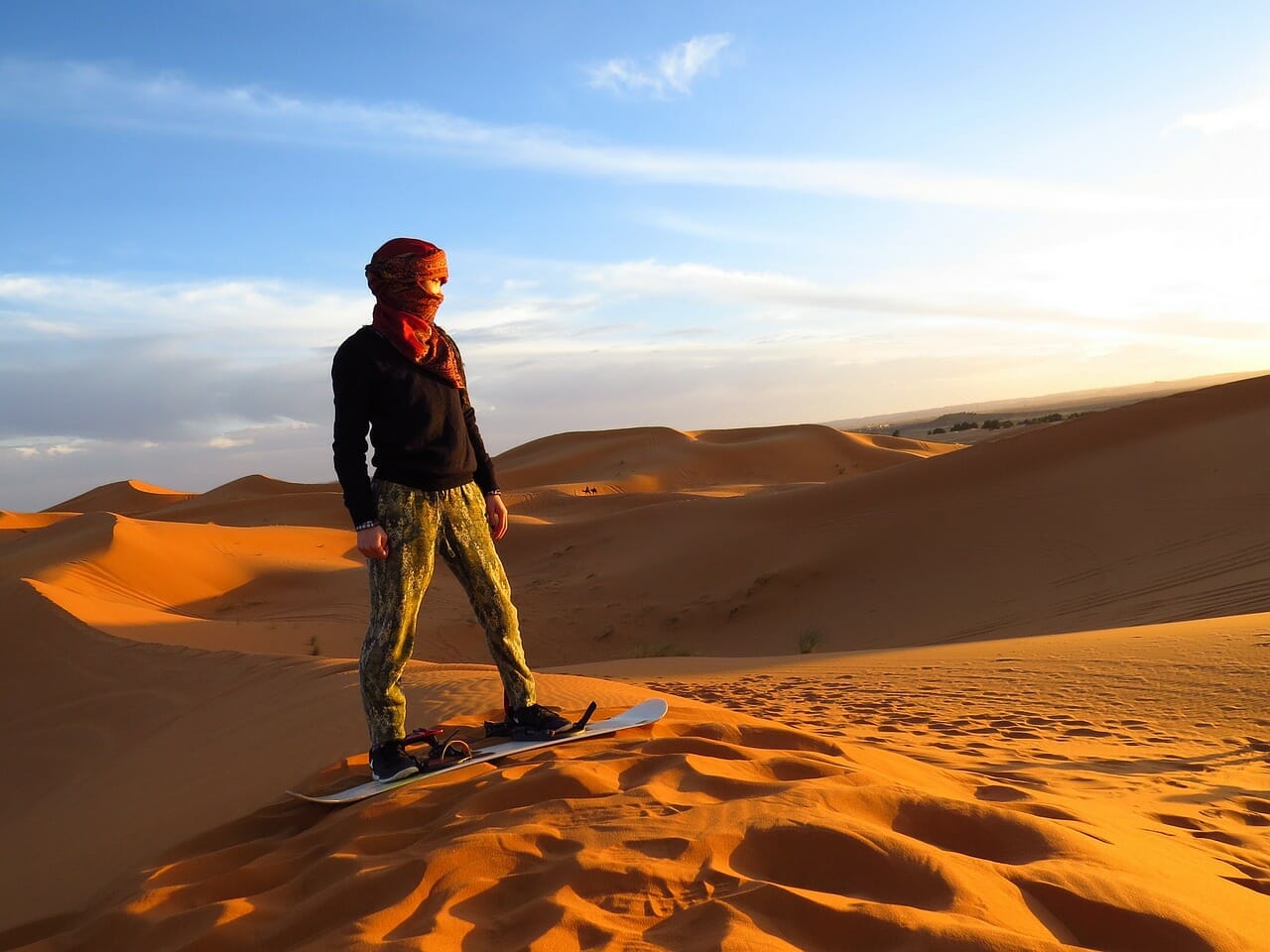
Desert exploration needs October through April availability. Summer Sahara poses genuine danger – heat illness becomes probable rather than theoretical. October-November and March-April deliver ideal conditions (80-95°F daytime, cool nights). January-February brings frigid nights but extraordinary clarity.
Beach and coastal swimming works May-September, with June-August being perfect. October and November remain swimmable for non-cold-sensitive visitors. Winter coastal temperatures discourage swimming but still permit beachside exploration and photography.
Festival attendance depends entirely on event calendars. The Marrakech Film Festival (typically November-December) and Fes Festival of World Sacred Music (late May) require calendar coordination. Major markets and celebrations occur year-round but intensify during shoulder seasons.
Surfing thrives along Atlantic coastlines September-April, with autumn and spring delivering best conditions and most consistent swells.
Budget Variations Across Seasons
Morocco peak season dates (April-October) mean universally elevated pricing. Riads charge 30-50% premiums over shoulder months. Car rentals increase 20-30%. Tour operators bump prices accordingly. A mid-range riad costs $80-120/night shoulder season but $120-200 during peaks.
Off-season (November-February) inverts the equation entirely. Identical riads drop to $40-70 nightly rates. Car rentals plummet to $15-25/day. Restaurant costs decrease genuinely – portions stay full-sized because profit margins compress rather than shrink. Bus and train fares remain stable year-round, but fewer tourists mean quicker bookings and superior seat choices.
December and January holidays spike pricing despite technically being low-season. Plan Christmas-New Year travel strategically – either months earlier or later.
Packing Across Seasons
Spring and fall demand strategic layering. Daytime warmth (70-80°F) contrasts sharply with cool mornings and evenings (50-60°F). Mountain areas require warm sweaters or jackets regardless of calendar season.
Summer coastal packing? Keep it minimal – lightweight clothing, generous sunscreen quantities, quality sunglasses, and protective headwear transform from optional to absolutely essential.
Winter coastal visitors need light rain jackets and sweaters. Mountain explorers (serious mountaineers, not casual daytrippers) need proper cold-weather equipment – thermal base layers, insulated jackets, warm hats. Desert visitors need cold-weather kits despite midday warmth because nights plummet dangerously.
Every season demands comfortable walking shoes (medina navigation involves perpetual narrow, uneven streets), sun protection (UV intensity stays high year-round), and versatile clothing permitting easy layering.
Planning Your Morocco Timeline
Your ideal duration depends on preferences and climate tolerance. One week permits coastal exploration plus one interior city and either mountains or desert. Fourteen days accommodates coastal time, mountain time, and desert time without excessive rushing. Month-long visits reveal Morocco’s genuine rhythms and permit actual downtime.
First-time visitors often thrive during September or October – comfortable weather without extreme crowds, excellent conditions without summer constraints, and preserved budget flexibility.
Practical Planning for Your Visit
Selecting your season precedes logistical execution. Most explorers favor independent travel for scheduling flexibility that tour companies cannot match. If you’re renting a vehicle – genuinely valuable for accessing mountain villages, remote desert camps, and coastal towns independently – book once your dates crystallize.
Accommodations require booking four weeks minimum during shoulder seasons, eight weeks ahead during peak months. Premium riads in Marrakech and Fes book tightest of all. Mountain lodges and desert camps demand even earlier commitments.
FAQ
Is October or April better for visiting Morocco?
Both excel, though they suit different travelers. April showcases wildflower abundance and spring enthusiasm. October sidesteps holiday pressures and school schedules. Crowd-averse visitors slightly prefer October.
Can I visit Morocco in July and August?
Absolutely, with important caveats. Coastal regions work wonderfully. Desert travel becomes genuinely risky. Reserve accommodations substantially ahead – peak summer creates the tightest availability anywhere. Brace yourself for significantly higher prices.
How does Ramadan affect travel plans?
Ramadan reshapes daily rhythms without necessitating avoidance. Daytime tourism quiets, restaurants close midday, and evenings buzz with activity. Evening-centered travel can work brilliantly.