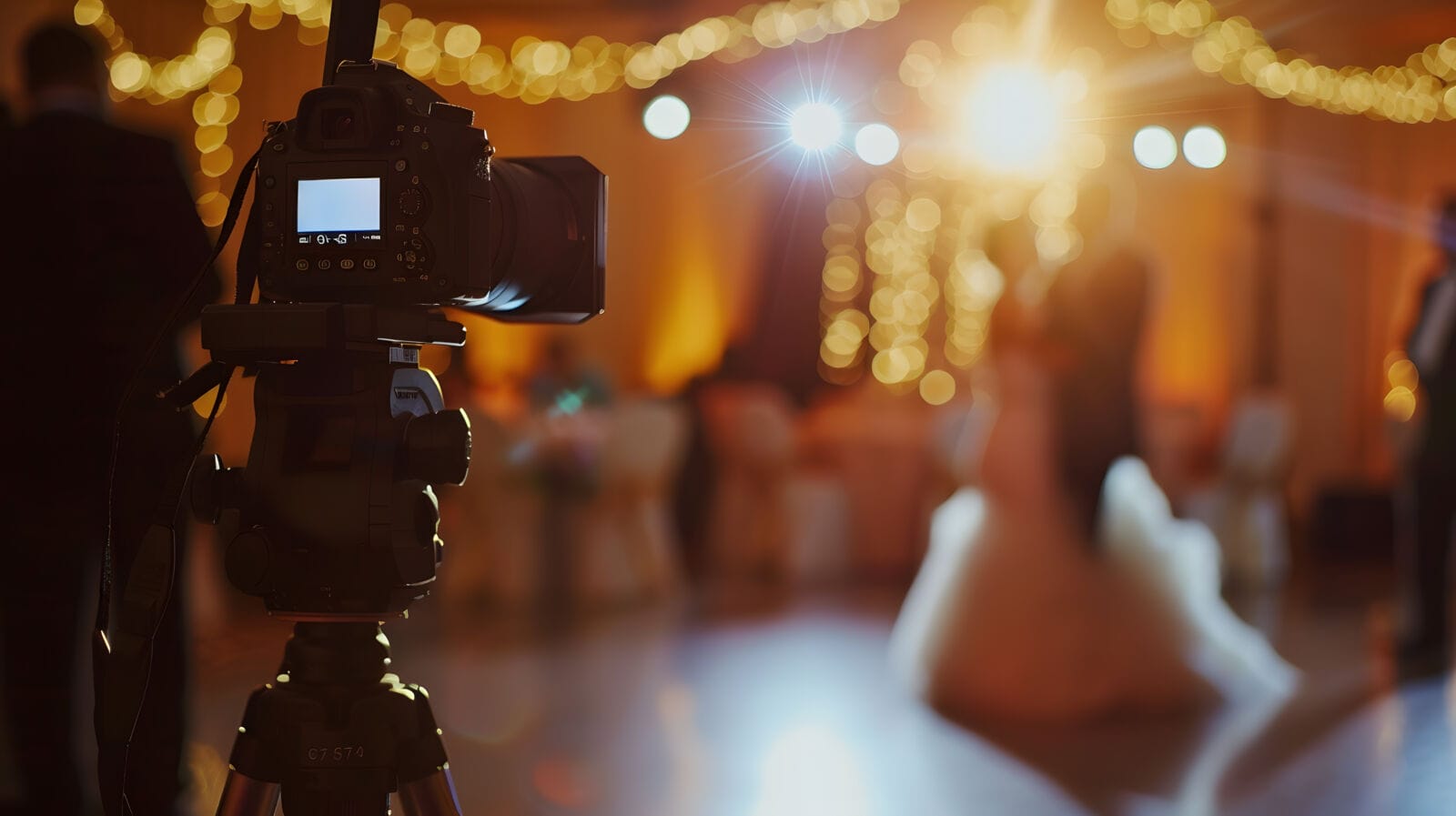
Photos capture how a wedding looked. Video captures how it sounded and moved: the shaky voice during the vows, the laughter during the toasts, the first song on the dance floor. That is why more couples now treat a Vancouver wedding videographer as a must-have rather than an add-on.
The choice can feel overwhelming, though. The city and the surrounding region have dozens of filmmakers, and most of their highlight reels look beautiful. Picking the right Vancouver wedding videographer comes down to style, experience, budget and how well they handle the West Coast’s unpredictable conditions.
Here is what couples should know before they sign a contract.
Start with the style you want
Before comparing prices, decide what kind of film you want to watch in 10 years. Most wedding filmmakers lean toward one of a few approaches.
Cinematic films are edited like a short movie, with music, slow motion and a story arc built from your vows or letters. Documentary films stay closer to real time and let events play out with minimal music. Traditional coverage records the ceremony, speeches and first dance in full, with lighter editing.
None of these is better than the others. A couple who loves movies may want the cinematic approach, while one who wants every word of grandpa’s toast may prefer documentary. Many videographers blend styles, so ask how they would balance the two for your day.
Watch full films, not just highlight reels
A three-minute highlight reel shows a videographer at their best. It is built from the strongest shots across many weddings, set to great music. It tells you little about how they cover a full day.
Ask for two or three complete wedding films, ideally from venues or seasons similar to yours. Pay attention to the audio during the vows and speeches. Clean sound is harder to get than pretty pictures, and it is the part couples rewatch most.
Also look at the dark moments. Receptions often happen in dim rooms, and footage from the dance floor shows whether a filmmaker can handle low light without grainy, muddy results.
Reviews help as well. Look for comments about punctuality, how the team behaved around guests and how long the final film took to arrive.
Understand what drives the price
Wedding video packages vary widely, and the cheapest quote is rarely the best value. A few factors account for most of the difference.
- Hours of coverage: Filming from getting ready through the last dance takes far more time than ceremony-only coverage.
- Crew size: A second shooter lets one person film the couple while another captures guests and reactions.
- Deliverables: A highlight film, a full-length edit, raw footage and social clips are often priced separately.
- Extras: Drone footage, same-day edits shown at the reception and travel to destinations outside the city add cost.
Read each package closely and compare like with like. One quote may look higher simply because it includes a second shooter and a longer film. Ask for the turnaround time in writing too, since some studios deliver in weeks and others take several months during busy season.
Plan for West Coast weather and light
The region gives couples some of the most striking backdrops in the country, from beaches and seawall paths to forest trails and mountain viewpoints. It also gives them rain. Even summer weddings can see a grey, drizzly afternoon.
A local videographer who has filmed through every season will have a plan. Ask how they protect their gear in the rain, which covered spots they like near your venue and how they adjust when the light goes flat. Rain can make for moody, beautiful footage, but only if the team is ready for it.
Timing matters too. Summer brings long evenings and a late golden hour, which is ideal for couple portraits. Winter weddings have far less daylight, so outdoor shots may need to happen before the ceremony. Popular summer weekends also fill up early, so many couples book their videographer a year or more ahead.
Questions to ask before you book
Once you have a shortlist, set up a short call or meeting with each videographer. Chemistry matters, since this person will follow you around on one of the most personal days of your life. Bring these questions:
- Will you film our wedding yourself, or will another shooter cover it?
- Have you worked at our venue before?
- How do you capture audio during the vows and speeches?
- What is your backup plan if equipment fails or you get sick?
- When will we receive the final films, and in what format?
- Do we get the raw footage, and is there an extra cost for it?
- How much of a deposit is required, and what is your cancellation policy?
Listen to how they answer as much as what they say. A good videographer will ask about your families, your timeline and what matters most to you. That interest usually shows up in the final film.
Your wedding film is one of the few things from the day that grows more valuable with time. Take the time to watch full films, compare packages carefully and choose someone who makes you feel comfortable on camera. Years from now, you will be glad you did.