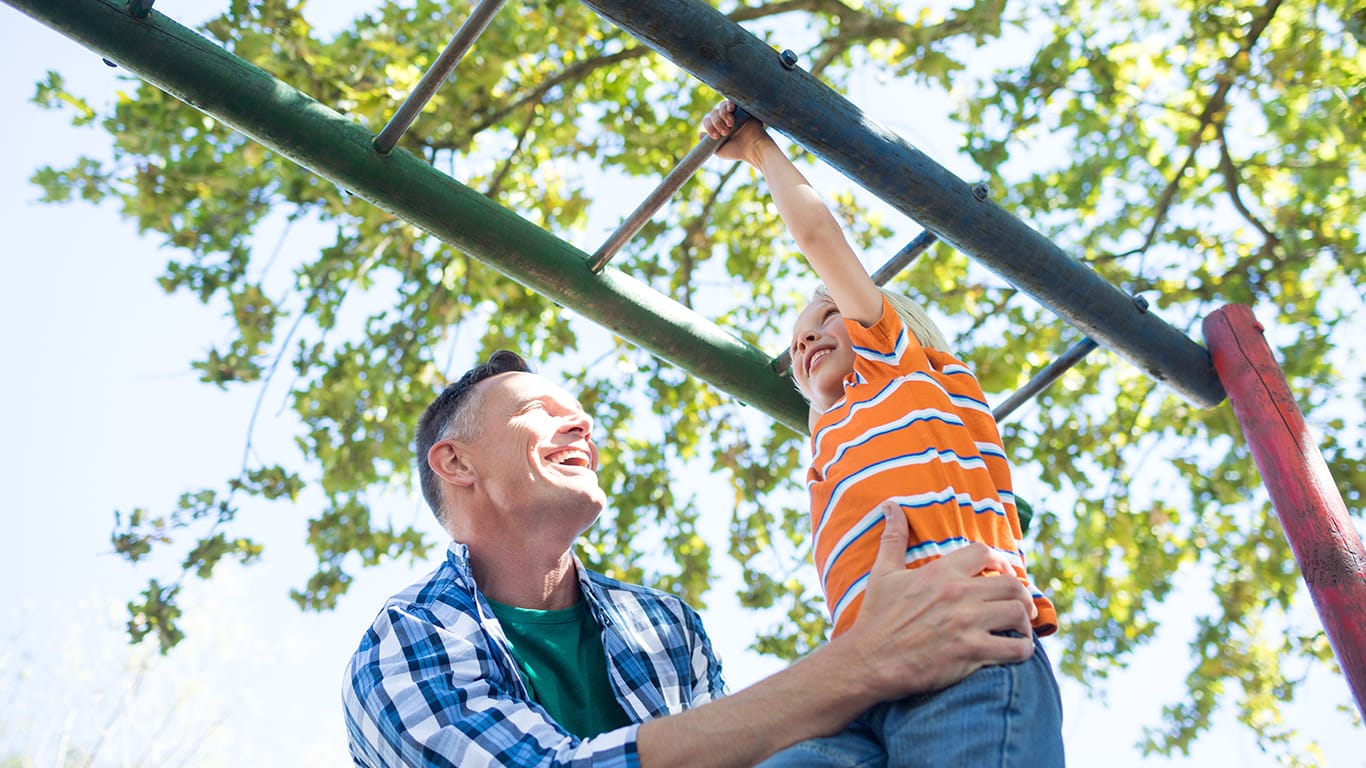
Playgrounds attract families because they provide vital physical and social skills for their kids. And while every parent may have a different wish list when it comes to their ideal playground, there are a few components that all parents want. Safety, inclusivity, and maintenance are three areas that parents want in neighborhood playgrounds. Here’s why.
Safety First
Above all, parents want playgrounds to be safe spaces for their children to play. Kids are prone to accidents, and while there will be plenty of spills and tumbles, they want to avoid any major injuries. Every year, thousands of children visit emergency rooms due to a playground-related incident. Protecting kids involves a combination of physical measures as well as active supervision.
To start, commercial playground equipment needs to be properly installed. Professional installation should be handled by specialized contractors, ensuring all parts are assembled correctly and safely from the start. These professionals ensure that everything meets relevant safety standards, such as those outlined by the Consumer Product Safety Commission.
In addition to the equipment installation, contractors can also assist with installing protective surfacing. Whether this is poured-in rubber, wood chips, astro turf, or another impact-absorbing material, these professionals will know exactly what and how much is needed. Typically, there is a “play zone” area of 6 feet around equipment. Tall swings and slides will likely need a larger clearance area.
Safety also begins with the right supervision. Children need to be monitored at all times to watch for potential hazards and intervene if and when necessary. Playgrounds should be designed in a way that allows parents to keep watch on their kids. This means having clear sightlines around equipment. Parents should be disciplined in enforcing playground safety rules as well. This means sliding feet-first and sitting on the swings instead of standing on them.
With the right playground installation and proper monitoring, parents will feel relieved rather than anxious when their children ask to go to the playground on a sunny afternoon.
Inclusive Designs
In addition to safe, sturdy playgrounds, parents also want an area where all children are welcome to play. This means designing a playground with inclusivity in mind. Having an area where children of all abilities can play together can strengthen community bonds between children and other families. A family of a child with a disability will feel welcomed rather than shameful or embarrassed when they arrive at the playground with their children.
An inclusive design starts with having smooth, wide pathways and ramps so those in wheelchairs and other mobility devices can enter and exit the play space. Ground-level equipment, such as activity panels, can be installed to allow for children in mobility devices to play without transfer. Multi-level structures with ramps and transfer stations are other great options.
Adding in sensory elements, such as sandboxes, water areas, musical instruments, and tactile surfaces, can entice children who may feel overwhelmed by too much activity. Those who are overstimulated may need a break from playing with others, which is where these types of activities can come in handy.
Inclusivity also means thinking about age-appropriate designs. Unless the structure is at a daycare facility, equipment should be accessible for a range of ages. This ensures safety, fun, and development for all children, while also encouraging physical and social development. Having distinct zones with play areas for younger kids and older kids can help match equipment to children’s abilities and preferred play styles.
Well-Maintained with Amenities
Playgrounds provide opportunities for children as well as parents. They serve the purpose of anchoring the community, a place for neighbors, friends, and others to gather regularly and feel welcomed. With this in mind, parents want playgrounds to be well-maintained with plenty of amenities for everyone to enjoy.
Equipment should be regularly inspected for safety hazards, such as loose screws or bolts, and any cracks or sharp edges should be addressed immediately. Surfacing materials should be either repaired or replaced when worn. Any natural elements surrounding the playground, such as garden planters, should be pruned regularly and weeded, if needed. Non-toxic, hardy, evergreen plants will thrive for years, which is why they can be a good option for these types of public spaces.
Amenities such as picnic tables and benches should be cleaned and wiped down. Any lights not powered by solar should be checked, and bulbs should be replaced when needed. Trash cans and recycling bins should be emptied, and any dog-friendly areas with waste stations should also be taken out. This maintenance can be conducted by a neighborhood organization or outsourced to a landscaping or groundskeeping vendor.
In Conclusion
A playground is a compelling addition to any neighborhood, especially if it prioritizes safety, inclusivity, and maintenance. Having a nearby play area can encourage children to leave their screens and devices at home and instead socialize with their peers. For parents and caregivers, playgrounds offer them the chance to connect as well.
When viewed as a central hub or neighborhood destination, playgrounds can be the attraction that fosters a stronger sense of community by bringing neighbors together. With the right equipment selections, design, installation, and maintenance, these playgrounds can be an engaging space for everyone in the neighborhood.