For many pet owners, the hardest veterinary decision is whether they can afford to take care of their pets.
In a 2025 PetSmart Charities-Gallup study, 52% of U.S. pet owners reported skipping or declining needed veterinary care. Among those who went without care, 71% cited financial reasons.
In the worst cases, cost can determine whether a family pursues treatment at all. Veterinary researchers use the term “economic euthanasia” to describe situations in which an animal is euthanized because the owner cannot afford essential treatment, even though a viable medical alternative exists.
Doug Patriquin, co-founder and CEO of Dr. Kelly’s Surgical Unit, sees affordability as only part of the access problem.
“We see families who love their pets and want to do the right thing, but the cost can stop them in their tracks,” Patriquin said. “Sometimes the most important thing is helping people understand that one estimate may not be the only option.”
MORE NEWS: Here’s how many jobs Arizona is projected to add by 2035
DEEPER DIVE: 10 Arizona restaurants make Yelp’s Top 100 Mexican food spots
Cost is only part of the problem
Distance can make the situation even harder.
The University of Arizona has identified rural and underserved areas of the state where veterinary shortages have made access to veterinary care more difficult. Pet owners outside major metro areas may have fewer general practices nearby and even fewer emergency or specialty options.
“For some families, getting care means taking time off work, driving a significant distance and then facing a major veterinary bill when they arrive,” Patriquin said. “The geography and the cost can compound each other very quickly.”
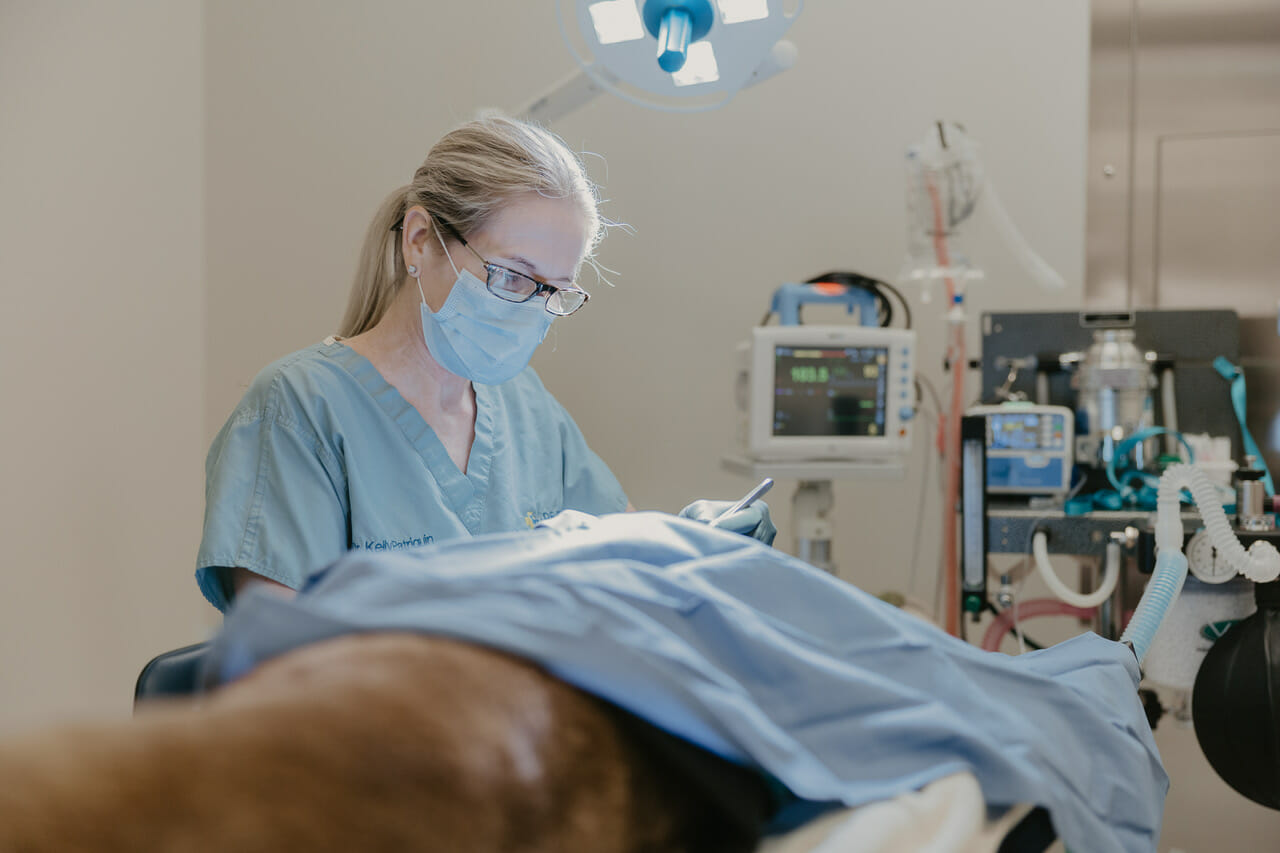
Kelly Patriquin, DVM, is the co-founder and lead veterinarian at Dr. Kelly’s Surgical Unit — which has seven locations. She said that postponing care does not always make a problem less expensive.
A dental problem can progress from cleaning to extractions. A new mass may require a more involved procedure if it grows. A swallowed object can become an intestinal blockage that requires emergency treatment.
“People sometimes wait because they are hoping a problem will resolve on its own,” said Dr. Patriquin, which doesn’t care for emergent pets.
“Sometimes that is appropriate. But if something is getting worse, waiting can limit the options and make treatment more complicated.”
That does not mean every bump, bad tooth or upset stomach is urgent. It does mean owners should ask when something is safe to monitor and when delaying care could create a bigger problem.
Preventive care can matter, too. Routine dental care, spaying and neutering, and early evaluation of new masses may help address problems before they become urgent.
“The earlier we can identify what needs attention, the more choices a family may have,” Dr. Patriquin said.
“Preventive care is not about performing procedures just in case. It is about catching problems before they become crises.”
A lower price should not be the sole consideration when choosing veterinary care. Dr. Patriquin recommends asking who will perform the procedure, how anesthesia will be administered and monitored, how pain will be managed, which medications are included, and what follow-up care is available.
“Affordable should never mean careless,” Dr. Patriquin said.
“Families should feel comfortable asking how their pet will be monitored, what is included in the estimate and what happens if there is a concern after surgery.”