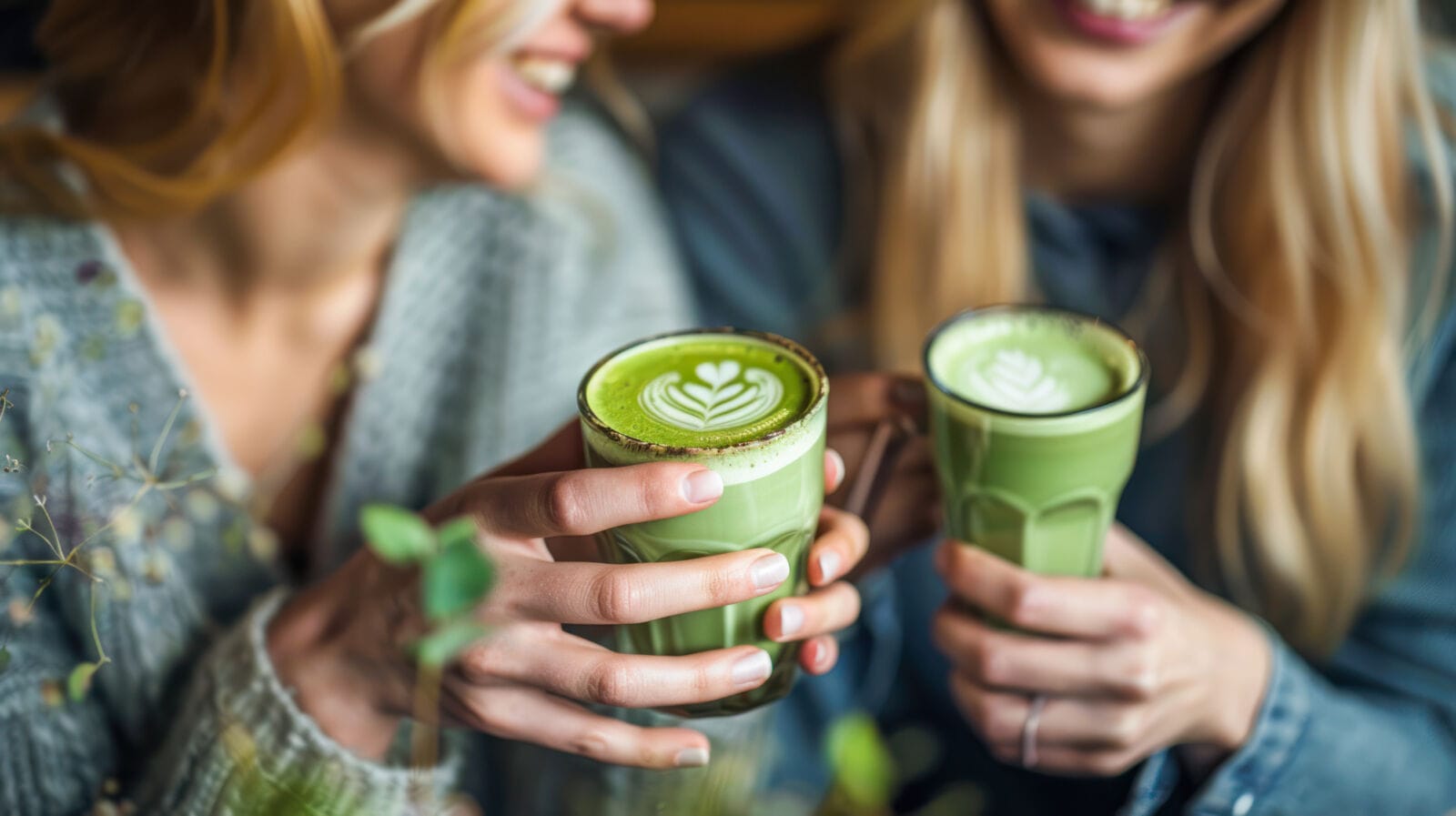
In recent years, matcha green tea has become one of the most sought-after beverages among people looking to support a healthier lifestyle. Originating from Japan, matcha is a finely ground powder made from specially grown green tea leaves, offering a unique combination of flavour, versatility, and nutritional value. Unlike traditional green tea, where the leaves are steeped and discarded, matcha allows you to consume the entire leaf, providing a richer source of naturally occurring nutrients.
Whether enjoyed as a warm drink, a refreshing iced latte, or incorporated into smoothies and recipes, matcha green tea has earned its place as a favorite wellness beverage for people of all ages.
Rich in Naturally Occurring Antioxidants
One of the main reasons people choose matcha green tea is its naturally high concentration of antioxidants. Green tea contains plant compounds known as catechins, which help protect cells from oxidative stress caused by free radicals. Because matcha uses the whole tea leaf, it generally provides a higher concentration of these beneficial compounds compared to standard brewed green tea.
As part of a balanced diet, antioxidant-rich foods and beverages can contribute to overall wellbeing.
A Gentle Source of Natural Energy
Many people appreciate matcha green tea as an alternative to coffee. It naturally contains caffeine, but unlike coffee, matcha also provides the amino acid L-theanine. This unique combination is often associated with a smoother, more gradual release of energy, helping many people feel alert without the sudden peaks and crashes sometimes linked to stronger caffeinated drinks.
For professionals, students, and anyone with a busy schedule, this balanced energy profile makes matcha an appealing everyday choice.
LEARN MORE: Arizona earns 19 Michelin Guide selections in inaugural Southwest Guide
Supports Focus and Concentration
The naturally occurring L-theanine found in matcha green tea has been widely studied for its role in promoting relaxation while maintaining alertness. Combined with moderate caffeine levels, many people enjoy matcha before work, studying, or other activities requiring concentration.
This balance between calmness and focus is one of the reasons matcha has been used in traditional Japanese tea ceremonies for centuries.
Easy to Include in Everyday Routines
Another advantage of matcha green tea is its versatility. While it is traditionally whisked with hot water, it can also be used in a variety of recipes, including:
- Matcha lattes
- Fruit smoothies
- Overnight oats
- Protein shakes
- Yoghurt bowls
- Baking recipes such as muffins, cakes, and cookies
Its vibrant green colour and distinctive flavour make it a popular ingredient for both healthy meals and occasional treats.
May Support Healthy Lifestyle Goals
While no single food or drink can guarantee improved health, matcha green tea fits well into a balanced lifestyle. Many people choose it alongside nutritious eating habits, regular physical activity, and adequate sleep as part of their overall wellness routine.
Replacing high-sugar beverages with unsweetened matcha may also help reduce unnecessary sugar intake while still providing a satisfying and flavourful drink.
A Traditional Beverage with Modern Appeal
Matcha has a rich cultural history dating back hundreds of years in Japan, where it has long been valued as part of tea ceremonies and daily life. Today, its popularity extends across the UK and around the world, with cafés, restaurants, and supermarkets offering an increasing variety of matcha-based products.
Its combination of heritage, nutritional qualities, and versatility has helped make it a staple in modern health-conscious lifestyles.
Choosing High-Quality Matcha Green Tea
Not all matcha is created equal. When selecting matcha green tea, consider the following:
- Look for a vibrant, bright green colour.
- Choose finely milled powder with a smooth texture.
- Select products made from high-quality Japanese tea leaves.
- Store matcha in an airtight container away from heat and light to preserve freshness.
- Use fresh water and avoid boiling temperatures to maintain the tea’s delicate flavour.
Investing in quality matcha often results in a smoother taste and a more enjoyable drinking experience.
Conclusion
The growing popularity of matcha green tea reflects its unique combination of tradition, versatility, and naturally occurring beneficial compounds. From its antioxidant content to its balanced source of natural energy and adaptability in everyday recipes, matcha offers an enjoyable way to complement a healthy lifestyle.
Although it should not be viewed as a substitute for a balanced diet or healthy habits, incorporating matcha green tea into your daily routine can be a simple and enjoyable addition to an overall wellness-focused lifestyle.