Wellness used to look fairly simple.
A quiet massage room. A yoga mat. A few candles. Maybe a sauna if there was enough space.
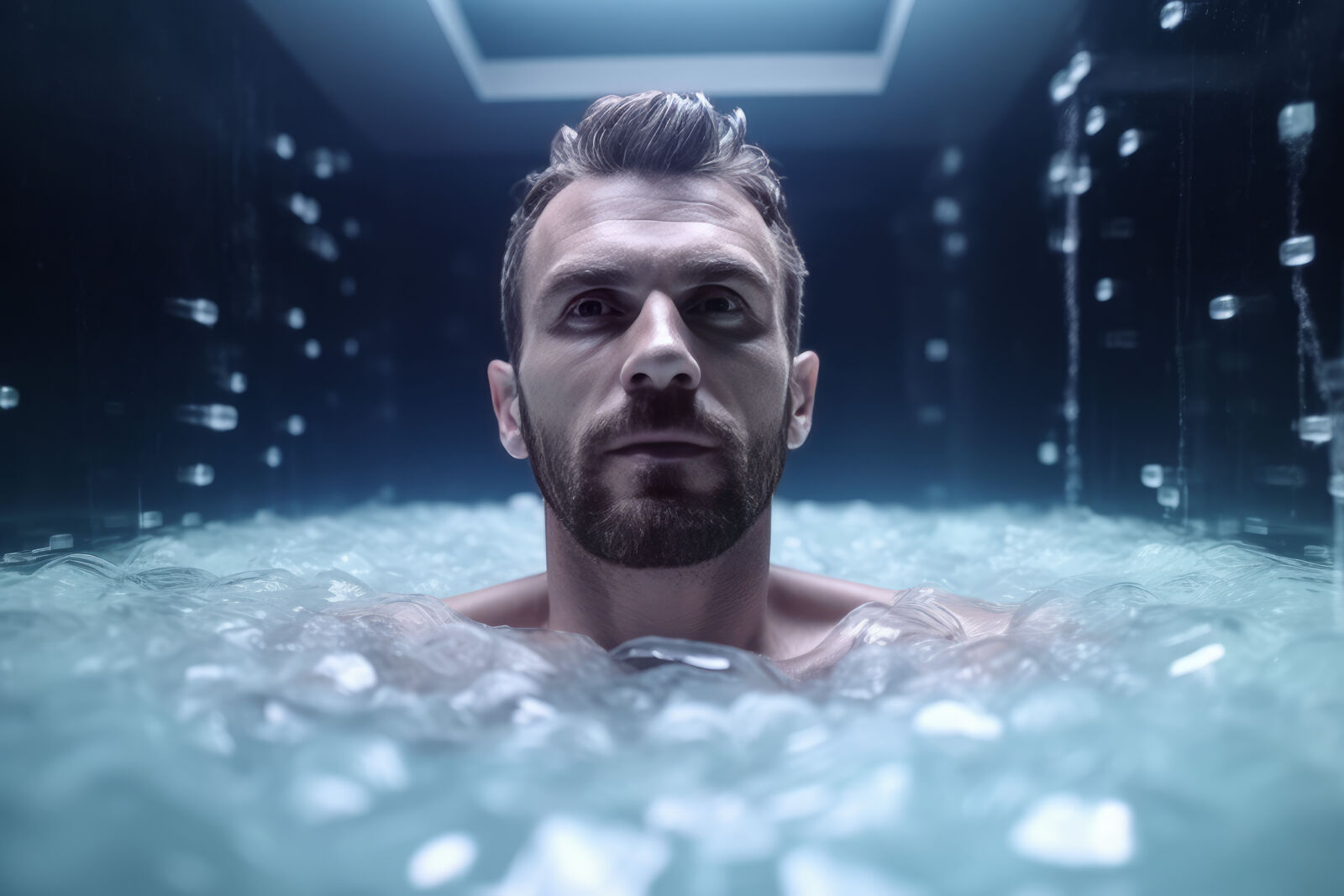
Walk into some modern recovery studios today, and the scene can feel completely different. You may see glowing red-light panels, cold-plunge tubs, compression boots, breathing equipment and enclosed pods that look as though they belong on a spacecraft.
The technology is eye-catching, but the larger change is how people now think about rest.
Recovery is no longer discussed only by professional athletes or people returning from an injury. Ordinary people are booking sessions after demanding workouts, long flights, stressful workweeks and several nights of poor sleep. Rest has become something people plan, pay for and sometimes share online.
That does not mean every futuristic device is necessary, or that every claim surrounding it is reliable. It does help explain why recovery technology has become such a visible part of modern wellness culture.
Recovery Has Become Something People Schedule
For a long time, rest simply meant stopping.
You finished work, sat down and hoped you would feel better later. There was rarely much of a plan beyond doing less.
Modern wellness culture often treats recovery as something more deliberate. People book assisted stretching, visit a bathhouse, sit in an infrared sauna or stop at a recovery studio after training.
There is something useful about giving rest a time and place. Once a session is on the calendar, it becomes harder to postpone because another email arrives or another household task needs attention.
A structured session also creates a clear boundary. For thirty minutes or an hour, the person is not expected to work, clean, reply or organise anything. The experience has a beginning and an end.
The equipment helps make that break feel official.
Why Recovery Spaces Make It Easier to Switch Off
Many recovery experiences share one feature that has little to do with advanced technology: they make multitasking difficult.
It is hard to reply to messages while sitting in cold water. Compression boots limit how much someone can move around. A dark relaxation room removes many of the distractions that usually compete for attention.
For some people, the most immediate value may simply be permission to stop.
That does not prove that every device delivers all the outcomes suggested in advertisements. It does explain why the experience can feel worthwhile before anyone starts discussing performance or wellness benefits.
Stress and mental overload are difficult to see. A dedicated room, fixed session and unusual piece of equipment give the act of slowing down a physical setting.
There is something slightly strange about needing a machine to make rest feel legitimate. Yet it reflects the way many people live. When constant activity is rewarded, a scheduled recovery session can become one of the few acceptable reasons to be unavailable.
What Actually Happens Inside a Hyperbaric Chamber
A cold plunge is easy to understand. The water is cold, and getting into it feels cold. A massage chair is similarly straightforward.
Other technologies require a little more explanation. Among the less familiar options are hyperbaric oxygen chambers, which create an enclosed environment where the pressure is increased above the level outside the chamber.
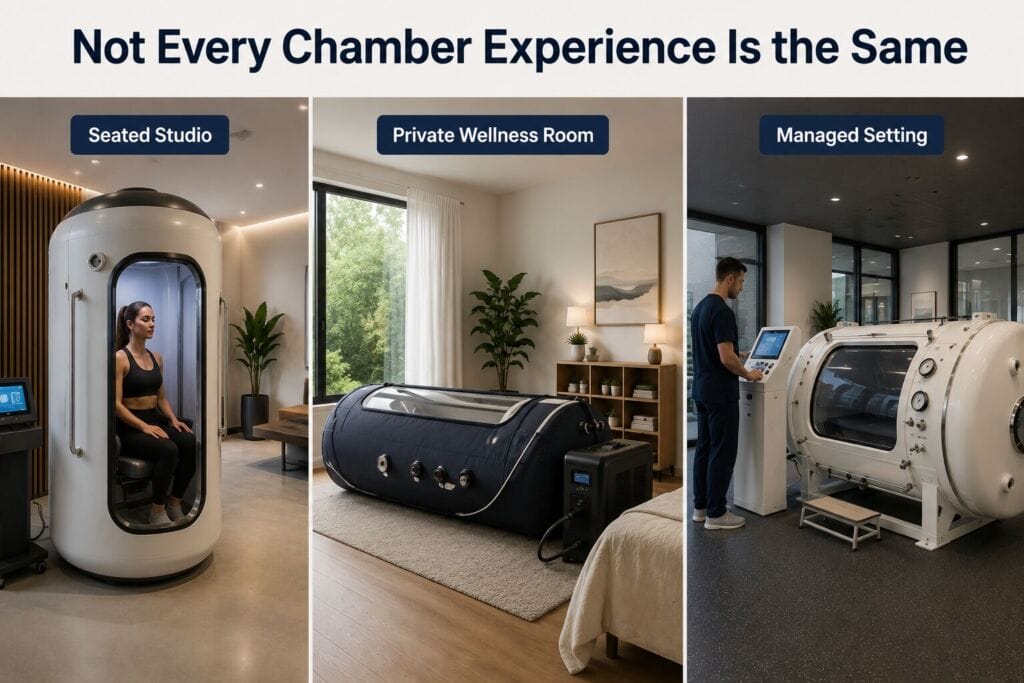
Some chambers are designed for an upright seated position. Others allow the user to recline or lie down. Soft-shell versions use a flexible enclosure, while hard-shell models have a rigid structure that is usually treated as a more permanent installation.
A session generally begins with the user entering the chamber before the pressure is gradually increased. Some people notice pressure in their ears, similar to the feeling during an aircraft’s takeoff or landing.
For most casual readers, that is enough technical background. The important point is that a hyperbaric chamber is not simply an oxygen bar in a different shape. Changing the pressure inside an enclosed space makes it a more involved piece of equipment, with its own operating, space and safety considerations.
Why One Hyperbaric Chamber Experience Can Differ From Another
Two people may both say they used a hyperbaric chamber while describing quite different situations.
One may have sat upright in a compact chamber at a sports recovery studio. Another may have used a horizontal soft-shell model in a private wellness room. Someone else may have used a hard-shell system in a professionally managed setting.
The design changes the experience. A larger viewing window can make the chamber feel more open. A horizontal model requires more floor space. A seated chamber may suit a smaller room but feel different for someone who expected to lie down.
The level of support can also vary.
A managed venue may have trained staff nearby to explain the process and respond if the user feels uncomfortable. A home setup places more responsibility on the owner to understand the equipment, follow instructions and keep up with maintenance.
This is why two online videos of “the same” experience may show very different things. The chamber’s structure, user position, intended setting and level of supervision all affect what the session is actually like.
How the Setting Changes the Chamber Design
A private wellness room does not have the same needs as a sports recovery centre or another professionally managed space.
A home user may care most about floor space, operating noise, ease of entry and whether the equipment needs to remain permanently installed. A recovery centre may also need to think about repeated use, staff procedures, cleaning, maintenance and the expectations of different visitors.
RL Health is a global supplier of soft-shell and hard-shell hyperbaric chambers for home wellness rooms, recovery centres and other professionally managed spaces. Its product range includes seated, reclining and horizontal formats designed around different room layouts and user-position needs.
That variety shows why chamber selection should begin with the setting rather than the longest feature list.
A permanent hard-shell installation and a more flexible soft-shell chamber may belong to the same broad product category, but they place different demands on the room and the person responsible for operating them.
The most impressive-looking option is not automatically the most appropriate one. Context matters more than appearance.
Why Product Variety Matters
The term “hyperbaric chamber” can make the equipment sound like a single standard product. In practice, suppliers may offer several structures because buyers are working with very different spaces and priorities.
An upright model may suit a room with limited floor length. A horizontal chamber may be more suitable for someone who prefers to lie down. A reclining design can provide another option, although its outside dimensions still need to be checked carefully.
Soft-shell and hard-shell chambers also create different installation expectations.
A soft-shell model may be easier to transport or reposition, but it can still require a frame, compressor, hoses and supporting equipment. A hard-shell chamber is normally more rigid and may require a clearer delivery route and a more permanent location.
These differences are practical rather than cosmetic. They affect how the equipment enters the building, where it can be placed and how people interact with it during regular use.
Social Media Shows Only the Photogenic Part
Recovery technology photographs well.
Soft lighting, clean interiors and futuristic equipment make appealing content. Add an athlete or celebrity, and the image begins to suggest discipline, exclusivity and access to something more advanced than an ordinary rest day.
What rarely appears in the photograph is the less attractive background information.
Who operates the equipment? What guidance is provided before the session? Is the experience intended for general wellness, sports recovery or medical care? Are the advertised benefits supported, or are they simply repeated because they sound convincing?
These are not cynical questions. They help separate presentation from substance.
A celebrity using a device shows that the device attracts attention. It does not show that the same experience is suitable for everyone watching.
What to Check Before Trying an Unfamiliar Recovery Device
A visitor does not need to become an expert before entering a recovery studio. A few basic observations can still provide useful context.
Start with the explanation. Staff should be able to describe what the equipment does in clear language without turning every technical feature into a sweeping health promise.
Next, pay attention to how the session is managed. Clear instructions, time to ask questions and someone available nearby matter more than dramatic lighting or an impressive control panel.
It is also worth noticing how the venue describes the service. Words such as “relaxation,” “wellness” and “recovery” may describe an experience, but they do not automatically prove a medical outcome.
When the language becomes too certain, the claims deserve a closer look.
Futuristic Does Not Automatically Mean Better
Wellness technology is often discussed in extremes.
A new device is either presented as a breakthrough everyone should try or dismissed as an expensive gimmick. Real life is usually less dramatic.
Some technologies have established uses in specific settings. Some may provide a pleasant or calming experience without supporting every claim attached to them. Others may be unnecessary for someone who would benefit more from better sleep, a quiet walk or fewer commitments.
The sensible response is neither instant belief nor instant dismissal.
Modern recovery spaces look futuristic because rest has become more structured, visible and commercial. The equipment can make recovery feel intentional, but its appearance alone cannot tell someone how useful or appropriate the experience will be.
The machines may change. The need behind them is familiar: people want a clear break from daily pressure and a chance to return feeling less worn down.