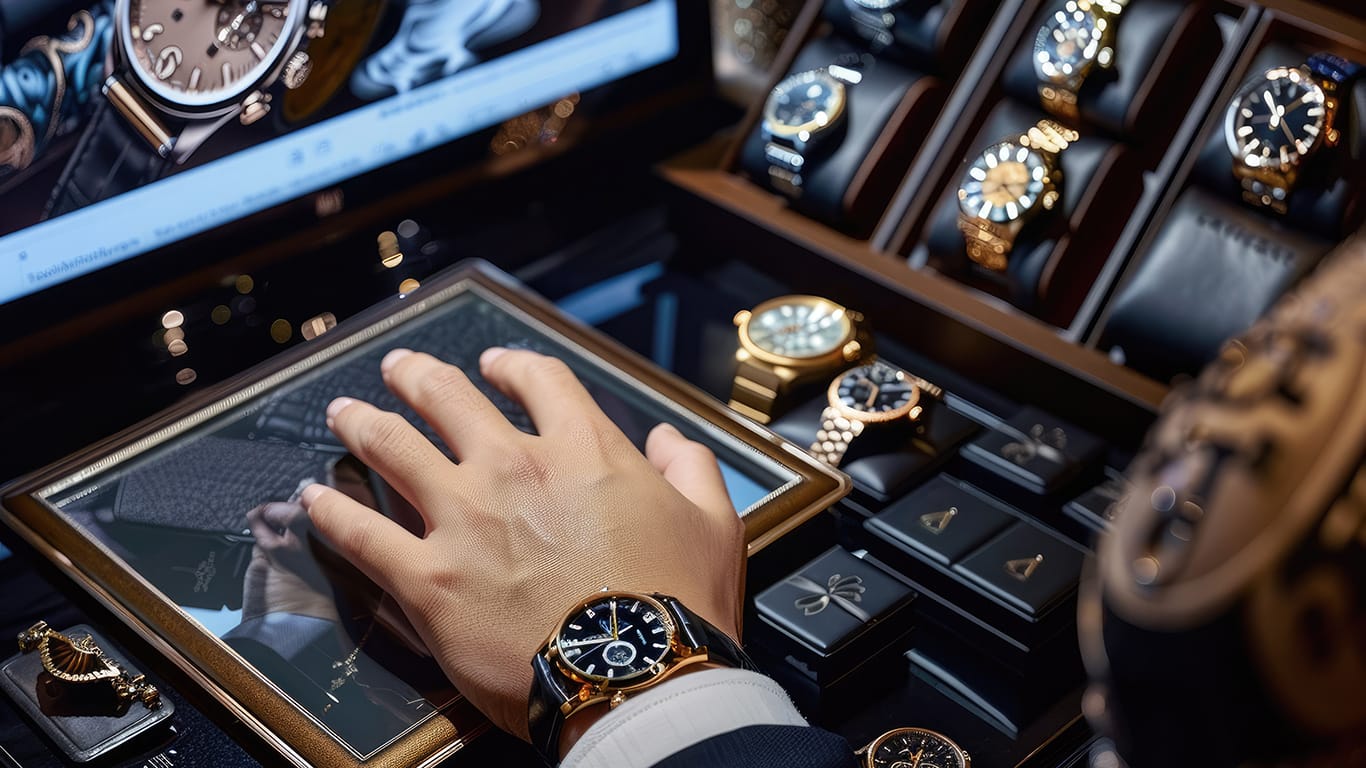
The watch market has surprised a lot of people lately. While other asset classes have been unpredictable, vintage watches have stayed remarkably stable. Some references have actually climbed. Not across the board, not every brand, but the right pieces bought from reliable sources have held up in ways that are hard to ignore.
There are actual reasons for this. Not hype. Not collector enthusiasm clouding the numbers. Real market dynamics that explain what’s happening and why it probably continues.
Supply Stops. Demand Doesn’t.
This is the core of it.
Vintage watches are finished products from a closed production run. A Longines Ultra-Chron from the early 1970s. A Zenith El Primero with a specific caliber from a particular decade. A Breitling with an original panda dial. Nobody is making more of these. The number in existence either stays flat or shrinks as pieces get damaged, lost, or stripped for parts.
Meanwhile, the buyer pool keeps expanding. Younger collectors are entering the market with real budgets and genuine interest in mechanical watchmaking. That combination, fixed supply and growing demand, does one thing to prices over time. It pushes them up.
Pre-owned luxury watches follow the same logic. The further a reference gets from its production year, the harder it becomes to find one in honest condition. Scarcity builds gradually. Value follows.
Condition Standards Have Gotten Strict
What collectors accepted five years ago and what they accept now are two different things.
The market has gotten educated. Online communities, auction house archives, and detailed reference guides. Buyers today know what an original example of a specific watch should look like. Wrong hands. Refinished dial. Incorrect crown. These get spotted now. They weren’t always.
That shift has created a real price gap between original condition pieces and anything that’s been tampered with. An all-original vintage watch in documented condition commands a genuine premium. A similar watch with replaced parts, even good ones, sits in a different tier entirely. The gap between those two tiers keeps widening.
This is why authentication matters so much when buying vintage watches now. Not just for peace of mind. For actual value protection. A watch with verified original condition holds differently than one with question marks in its history.
GMTWatchShop runs authentication on everything before it gets listed. Original parts verified. Condition documented honestly. For a buyer who cares about long-term value, that process is not optional; it’s the whole point.
Are Watches Actually a Store of Value?
Nobody serious is calling vintage watches a replacement for conventional investments. That’s not the argument.
But certain references have appreciated considerably over the past decade. Zenith, Breitling, Longines, pieces from brands that sit outside the top tier have shown real price stability when condition and originality are strong. Pre-owned luxury watches in genuine condition have outperformed plenty of more conventional purchases over the same period.
What makes them interesting is the tangibility. A watch doesn’t sit in a brokerage account. It can be worn. It can be enjoyed daily while also representing real value. For buyers who already have standard investments sorted, a well-chosen pre-owned luxury watch starts to look less like a splurge and more like a reasonable decision.
GMTWatchShop sources through a global dealer and collector network. That sourcing model is part of why specific references show up at competitive prices. The team is actively finding inventory rather than waiting for it to arrive.
What Actually Holds Value and What Doesn’t
Not every vintage watch is worth buying as a value hold. Reference matters. Condition matters more.
Things worth paying attention to before buying:
- Dial originality is the single biggest driver of long-term value, a refinished dial hurts resale significantly
- Movement originality runs a close second, replaced calibers are a red flag
- Case condition reflects how the watch was treated across its entire life
- Box and papers add value on paper but aren’t always available on older references
- Brand and reference desirability affects how quickly you can sell if you ever need to
GMTWatchShop’s vintage watches listings cover these points directly. Reference numbers, caliber information, honest condition notes. That transparency helps buyers make decisions based on actual information rather than optimistic seller descriptions.
The Pre-Owned Market Is a Different Place Now
Buying pre owned watches online used to require a high tolerance for uncertainty. Seller standards were all over the place. Authentication was often just a seller’s word. Condition descriptions ranged from accurate to completely fabricated.
That market still exists in corners of the internet. But the reputable part of the pre-owned watch space has matured significantly. Established platforms with real track records have pulled the experience much closer to a proper retail transaction.
GMTWatchShop has been operating since 2015. Over 2,000 customers. Thirty-day returns. Email and WhatsApp contact. Worldwide shipping with free express options on qualifying orders. Flexible payment available. These are the policies of a business that expects to keep its customers, not just process transactions and move on.
For buyers coming into pre-owned watches for the first time, that infrastructure matters. It removes most of the risk that made this market feel unapproachable.
Conclusion
Vintage watches are holding value in 2026 because the underlying conditions support it. Supply is fixed and shrinking. Demand is growing. Standards around originality have raised the floor on what a properly documented piece is worth. None of that changes quickly.
Getting into this market the right way means buying from a source that takes authentication seriously. GMTWatchShop has built that reputation over a decade of consistent operation. The inventory moves, good pieces don’t sit around, and the references worth owning tend to disappear before most buyers get around to making a decision.