
Picture this: it’s 7 a.m., you’re already running late for work, your baby needs feeding, and you’re tangled in a web of pump tubing while trying to get dressed. Sound familiar? For millions of breastfeeding mothers, pumping is a daily reality — and the equipment they choose can make that reality either manageable or maddening.
The breast pump market has transformed dramatically in recent years. Where mothers once had only one real option — a bulky, plug-in machine tethered to a wall — today’s choices include sleek, wearable, wireless devices that fit inside a bra. But does cutting-edge technology actually deliver better results, or does the tried-and-true traditional pump still hold its ground?
This article breaks down the wireless vs. traditional breast pump debate with one goal in mind: helping you find what actually works for your life. We’ll compare both types across the factors that matter most — pumping efficiency, portability, battery performance, noise levels, and overall convenience. Because the best breast pump isn’t necessarily the most expensive or the most high-tech; it’s the one that fits seamlessly into your lifestyle while supporting your breastfeeding journey.
Understanding Breast Pump Types: An Overview for Modern Mothers
Traditional breast pumps have been the backbone of breastfeeding support for decades. These plug-in, electric models sit on a countertop or table and connect to breast shields via a system of tubes and valves. Known for their consistent suction power and durability, they became the standard recommendation from hospitals and lactation consultants alike. While they get the job done reliably, their physical size and dependency on an outlet have always made them less than ideal for mothers with demanding schedules.
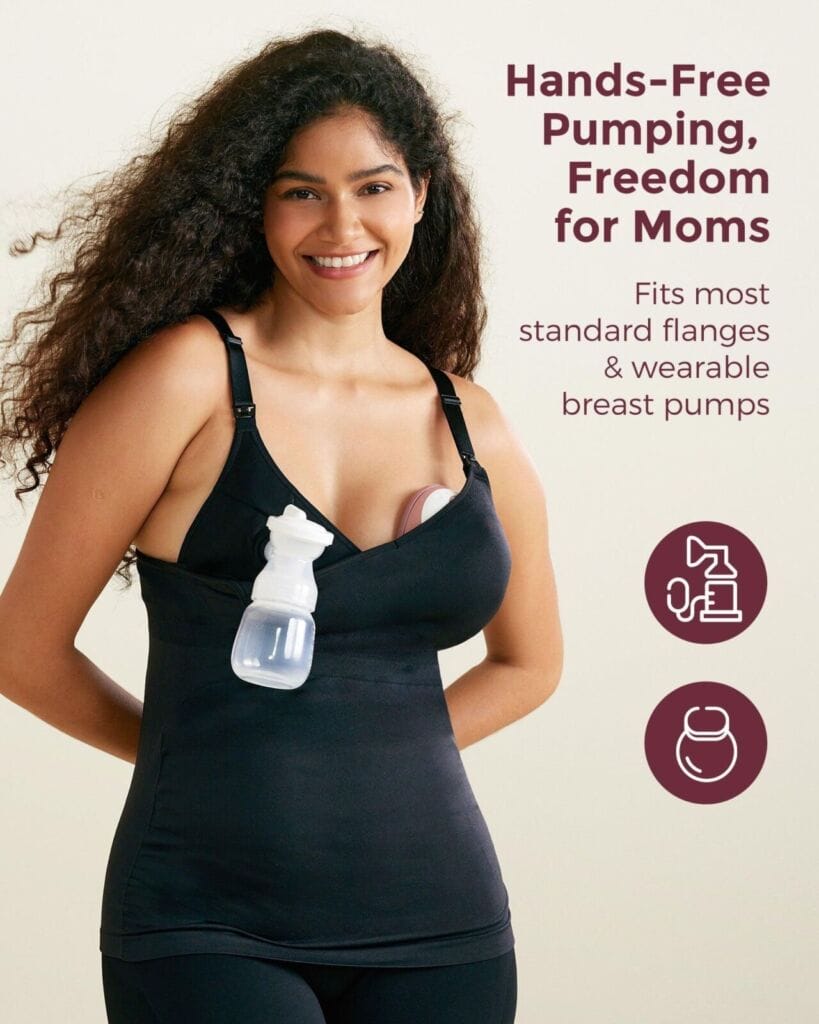
Wireless breast pumps — often called wearable pumps — represent a fundamental shift in how pumping fits into a mother’s life. These compact, cord-free devices sit directly inside the bra, collecting milk in built-in containers without any external tubing or power cords. Powered by rechargeable batteries and controlled through smartphone apps or simple button interfaces, they’ve moved pumping from a stationary chore to something that can happen during a work meeting, a commute, or a school run.
The evolution from wall-tethered machines to in-bra technology didn’t happen overnight. It followed decades of incremental improvements — smaller motors, quieter mechanisms, better battery technology — that culminated in today’s truly hands-free options. For modern mothers balancing careers, childcare, and everything in between, this progression isn’t just convenient; it’s changed what consistent breastfeeding looks like in practice. Understanding the core differences between these two categories is the first step toward making a choice that genuinely supports both milk production and daily life.
Key Feature Comparison: Wireless vs. Traditional Breast Pumps
Portability and Design: The Rise of the Wearable Breast Pump
When it comes to mobility, the difference between wireless and traditional pumps is stark. Traditional models require a dedicated space — a desk, a pumping room, or at minimum a nearby outlet — which limits when and where expressing milk is even possible. Wireless wearable pumps, by contrast, sit entirely within the bra cup, making pumping possible during a work commute, a grocery run, or even a meeting. Their discreet, low-profile design means there’s no visible tubing or awkward positioning, allowing mothers to move naturally while pumping without drawing attention.
Power and Performance: Battery Life and Hospital-Grade Suction
Traditional plug-in pumps draw consistent power directly from an outlet, which gives them a performance edge — particularly models offering hospital-grade suction. This level of suction mimics a baby’s natural nursing rhythm more closely, making traditional pumps especially effective for establishing milk supply in the early weeks or for mothers who need to pump frequently throughout the day. Wireless pumps have improved considerably in suction strength, but most still fall short of true hospital-grade performance. Their battery life typically supports two to four full sessions per charge, which is sufficient for many mothers but requires strategic charging habits for those with heavier pumping schedules.
Convenience and Technology: Wireless Charging and Noise Levels
Cord management is a genuinely underrated frustration with traditional pumps — untangling tubing, finding an outlet, and staying physically anchored all add friction to an already demanding routine. Many wireless pumps now support wireless charging, which simplifies the process down to placing the device on a charging pad between sessions; Momcozy’s wearable models, for instance, are designed around exactly this kind of low-effort recharging between a busy day’s sessions. Noise is another meaningful distinction: traditional pumps produce a rhythmic, mechanical sound that’s immediately recognizable and difficult to disguise in shared spaces. Most wireless models operate significantly quieter, some nearly silently, making discreet pumping in offices, cars, or public spaces far more realistic for mothers who need to pump without announcing it.
Addressing Busy Mothers’ Needs: Solutions and Practical Steps
Solution for Reliable Battery Life: Maximizing Pumping Sessions
Battery anxiety — the nagging worry that your pump will die mid-session — is a real concern for mothers who rely on wireless devices throughout a full workday. The practical fix starts before you even leave the house. Prioritize pumps that offer at least 150 minutes of battery life on a full charge, which comfortably covers three to four standard sessions. Each morning, make charging your pump part of the same routine as charging your phone — non-negotiable and automatic. If your schedule runs long or unpredictable, keep a small portable power bank in your bag as a backup. Some wireless pumps also support pass-through charging, meaning they can run while plugged in, effectively eliminating battery constraints when you’re near an outlet. For mothers who pump more than four times daily, a hybrid approach works well: use a traditional plug-in pump at home for the morning and evening sessions where power is never an issue, and reserve the wireless model for the sessions that happen out in the world. This strategy preserves battery life while still giving you the flexibility wireless pumping provides.
Solution for Discreet Use: Ensuring Low Noise Operation
Pumping quietly in a shared office, a car, or a semi-public space requires both the right equipment and a few smart habits. When evaluating pumps, look for models that specifically advertise noise levels below 45 decibels — roughly the sound of light rainfall — as these are genuinely usable in quiet environments without drawing attention. Brands like Momcozy have built their wearable pump designs around this threshold, making them a practical reference point when comparing noise specs across options. Beyond the device itself, fit matters enormously for noise reduction. A pump that sits poorly in the bra cup vibrates more against the body, amplifying sound. Ensuring proper sizing and secure positioning minimizes this effect significantly. If background noise is still a concern, a light cardigan or loose blouse adds an extra layer of sound dampening without affecting pump function. For office environments, scheduling pumping sessions during natural transition times — between meetings, during a lunch break, or while taking phone calls — creates a practical rhythm that feels less disruptive. The goal isn’t to hide the fact that you’re pumping, but simply to do it without it becoming the focal point of your workday. With the right pump and a small amount of preparation, that’s entirely achievable.
Making the Right Choice: A Decision Guide for Moms
No single breast pump wins for every mother — the right choice depends on your specific circumstances, and being honest about those circumstances will serve you better than chasing the most popular model. Traditional pumps remain the stronger option if you have a fixed pumping location, need to establish or maintain a high milk supply, or are working with a tight budget. Their consistent suction, zero battery dependency, and proven track record make them especially suitable for mothers in the early postpartum weeks when supply is still being built. Wireless pumps earn their place for mothers who are frequently on the move, returning to an office environment, or simply cannot afford the time that stationary pumping demands. Their convenience isn’t a luxury for these mothers — it’s what makes sustained breastfeeding feasible at all.
Before committing to either type, run through these key questions. First, where do you pump most often — primarily at home, or across multiple locations throughout the day? If it’s the latter, wireless wins. Second, how many times per day do you need to pump? More than four sessions daily tips the scales toward a traditional model’s unlimited power, or a hybrid approach. Third, is discretion important in your pumping environment? Quiet operation matters far more in a shared office than in a private room. Fourth, what is your budget — not just for the pump itself, but for potential replacement parts, accessories, or a second unit? Finally, are you pumping to supplement occasional feeds, or is the pump your baby’s primary milk source? Full-time pumping demands more from your equipment, and durability becomes a non-negotiable factor.
The most empowering reframe in this decision is this: choosing based on your actual life, not an idealized version of it, is what leads to a setup that actually works long-term.
Choosing the Right Pump for Your Breastfeeding Journey
The wireless vs. traditional breast pump debate doesn’t have a universal winner — and that’s actually good news. It means the right answer is personal, shaped by your schedule, your environment, and what breastfeeding looks like in the context of your real daily life.
What this comparison makes clear is that each type genuinely excels where the other falls short. Traditional pumps deliver unmatched reliability, consistent suction power, and zero battery concerns — advantages that matter most for mothers focused on building supply or pumping in a stable home setting. Wireless pumps offer something equally valuable: the freedom to pump anywhere, quietly and discreetly, without being anchored to a wall. For mothers returning to work or managing busy schedules, that freedom can be the difference between continuing to breastfeed and stopping altogether.
Battery life and noise level aren’t minor technical details — they’re practical factors that shape whether pumping stays sustainable week after week. Prioritizing these alongside suction performance will serve you better than choosing based on brand recognition or aesthetics alone.
Above all, trust your own circumstances over anyone else’s recommendation. The best pump is the one you’ll actually use consistently, that fits your body comfortably, and that supports both your milk supply and your sanity. Your breastfeeding journey is worth investing the time to get that choice right.