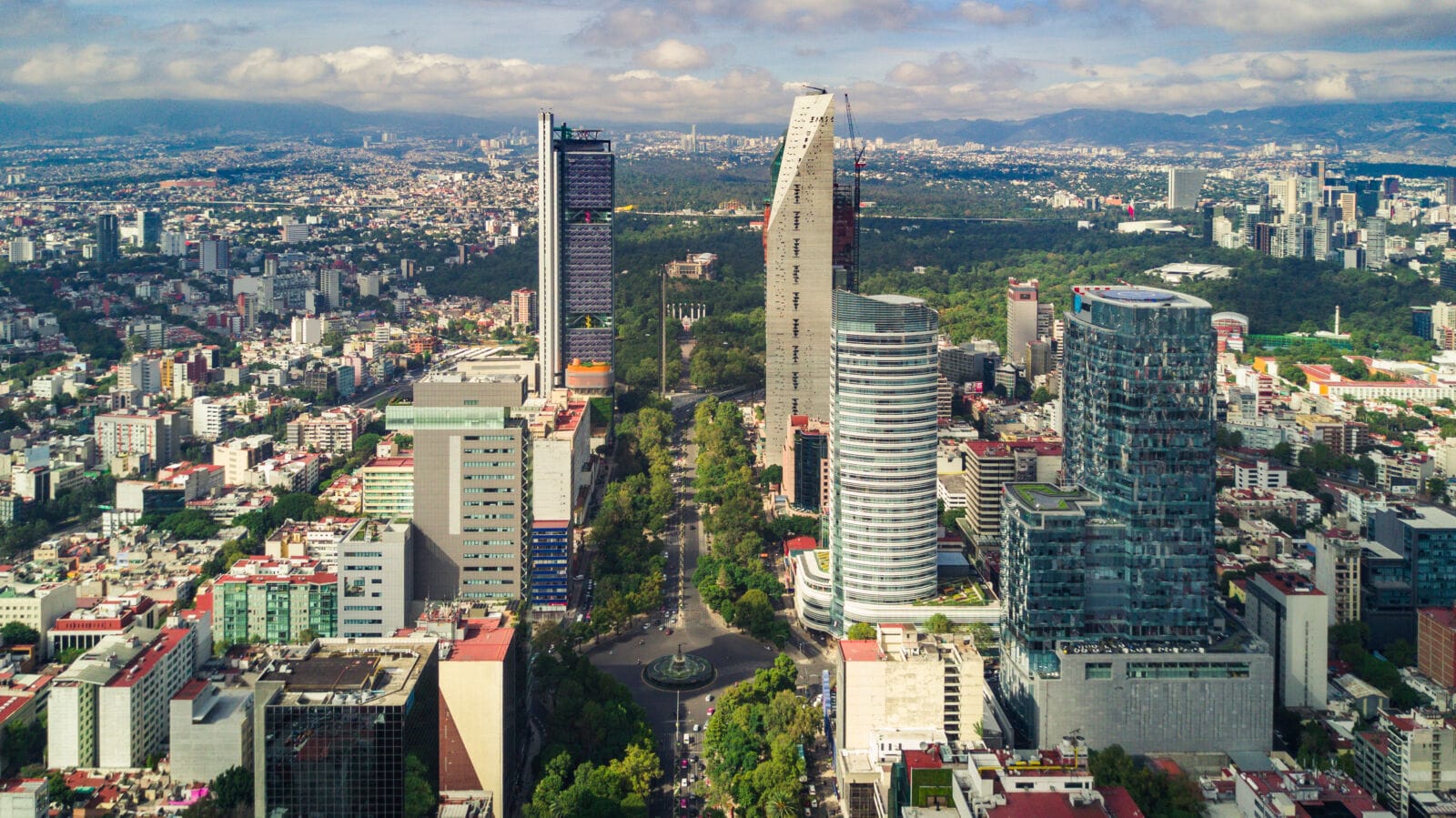
The Mexican property market has evolved dramatically over the last decade. Once a chaotic landscape navigated largely by word-of-mouth and handwritten “Se Vende” signs, it has transformed into a sophisticated industry powered by digital platforms, international franchises, and highly professionalised local agencies. For investors and expatriates looking south of the border, names like Mexhome have become synonymous with reliability and comprehensive service.
However, the ecosystem is vast. While Mexhome stands as a prominent pillar in the industry, the search for the perfect property often requires casting a wider net. Understanding the different tiers of agencies—from international behemoths to hyper-local boutique firms—is crucial for anyone serious about acquiring assets in Mexico. This analysis breaks down the major players shaping the market and explores what makes a real estate agency truly “top-tier” in this unique environment.
The Gold Standard: What Defines Mexico’s Top Real Estate?
Before examining specific agencies, it is vital to understand the benchmark. When industry analysts discuss Mexico’s top real estate like Mexhome, they aren’t just talking about the number of listings. They are referring to a specific business model designed to bridge the gap between foreign expectations and Mexican reality.
Real estate in Mexico operates differently from that in the United States or Canada. There is no single, unified Multiple Listing Service (MLS) that covers the entire country, though local associations have made great strides in creating regional databases. Consequently, the “best” agencies are those that act as all-encompassing navigators. They provide verified legal inventory, bilingual support, and in-house connections to the Notarios Públicos (public notaries) essential for closing deals.
Agencies fitting this description share common traits:
- AMPI Membership: They are members of the Mexican Association of Real Estate Professionals (AMPI).
- Full-Cycle Service: They guide clients from the initial search through the complex closing process and often into property management.
- Digital Presence: They maintain robust online platforms that allow remote viewing, crucial for international buyers.
The International Franchises
For many first-time buyers in Mexico, comfort comes from familiarity. This is where major international franchises have carved out a massive slice of the market. Brands like Century 21, Coldwell Banker, RE/MAX, and Keller Williams have established a significant footprint across the country.
These agencies operate on a franchise model. This means that while the branding is consistent, the service can vary from office to office. However, they generally adhere to strict corporate standards regarding agent training and ethics.
The strength of these giants lies in their network. A Coldwell Banker office in Lake Chapala can easily refer a client to a trusted colleague in Puerto Vallarta. They offer a standardised experience that many North American buyers find reassuring. If you are looking for Mexico’s top real estate like Mexhome, but prefer a brand you recognise from back home, these franchises are the direct competitors offering a similar level of structured service.
The Luxury Specialists
At the upper echelon of the market, the game changes. In regions like Los Cabos, Punta Mita, and the exclusive zones of the Riviera Maya, generic listings don’t cut it. This is the domain of luxury specialists such as The Agency and Sotheby’s International Realty Mexico.
These firms do not just sell houses; they sell lifestyles. Their marketing materials are often indistinguishable from high-end travel magazines. They specialise in multi-million dollar estates, branded residences (like the Ritz-Carlton or Rosewood residences), and pre-construction investment opportunities.
Where a generalist agency might focus on volume, luxury specialists focus on exclusivity and privacy. They often have access to “pocket listings”—properties that are for sale but not officially advertised to the public. For investors seeking high-yield vacation rentals or ultra-luxury retirement homes, these agencies provide a white-glove service that justifies their premium positioning.
The Digital Aggregators
Technology has disrupted the Mexican market just as it has globally. While they are not traditional brokerages in the same sense as Mexhome, platforms like Point2, Vivanuncios, and Inmuebles24 play a critical role in the ecosystem.
These are the aggregators—the Zillows and Trulias of Mexico. They scrape listings from thousands of independent agents and brokerages, compiling them into massive searchable databases. For a buyer performing initial research, these sites are invaluable. They provide a broad overview of pricing trends, inventory levels, and regional availability.
However, a distinction must be drawn. While these platforms are essential tools, they lack the transactional support of a dedicated agency. You can find a house on Vivanuncios, but the platform won’t help you navigate the fideicomiso (bank trust) process required for foreigners buying in restricted zones. They are information hubs, not service providers.
The Rise of the “Super-Local” Boutique
Perhaps the most direct competitors to the full-service model of Mexhome are the successful, region-specific boutique agencies. These firms often dominate specific towns or neighbourhoods.
In Tulum, for instance, you might find agencies that deal almost exclusively with eco-chic condos and jungle lots. In San Miguel de Allende, specific brokers focus entirely on colonial renovations in the historic centre. These agencies bank on hyper-local knowledge. They know which streets flood during the rainy season, which developers have a track record of finishing on time, and the history behind specific land titles.
These boutique firms often started with an expat founder who saw a gap in the market for reliable, English-speaking service. Over time, they have grown into sophisticated operations that rival the national chains in their specific territories. They offer a personalised touch that larger corporate entities sometimes struggle to replicate.
Why the “One-Stop-Shop” Model Wins
Despite the variety of options, the market is trending heavily toward the integrated, full-service model exemplified by agencies like Mexhome. The reason is risk mitigation. Buying property in a foreign country involves legal and financial hurdles that can be daunting.
Top-tier agencies are increasingly bringing legal counsel in-house. They are forming exclusive partnerships with property management firms to help buyers rent out their units immediately after purchase. They are producing educational content—blogs, videos, and webinars—to demystify the buying process.
In this environment, the agency acts less like a salesperson and more like a partner. They curate listings to ensure a clean title history before a client even sees the property. This level of due diligence is what separates the elite agencies from the rest of the pack.
Navigating the Future of Mexican Real Estate
Mexico’s top real estate like Mexhome helps buyers navigate a market that shows no signs of cooling. As remote work becomes normalised and the baby boomer generation seeks retirement destinations with a lower cost of living, demand for Mexican property continues to rise.
For the prospective buyer or investor, the landscape is rich with options. Whether opting for the global reach of a franchise, the exclusivity of a luxury broker, or the comprehensive care of a full-service agency, the key is to recognise that not all signs saying “Se Vende” represent the same level of safety and service. The top players have risen to the top because they offer security in a market that rewards knowledge.