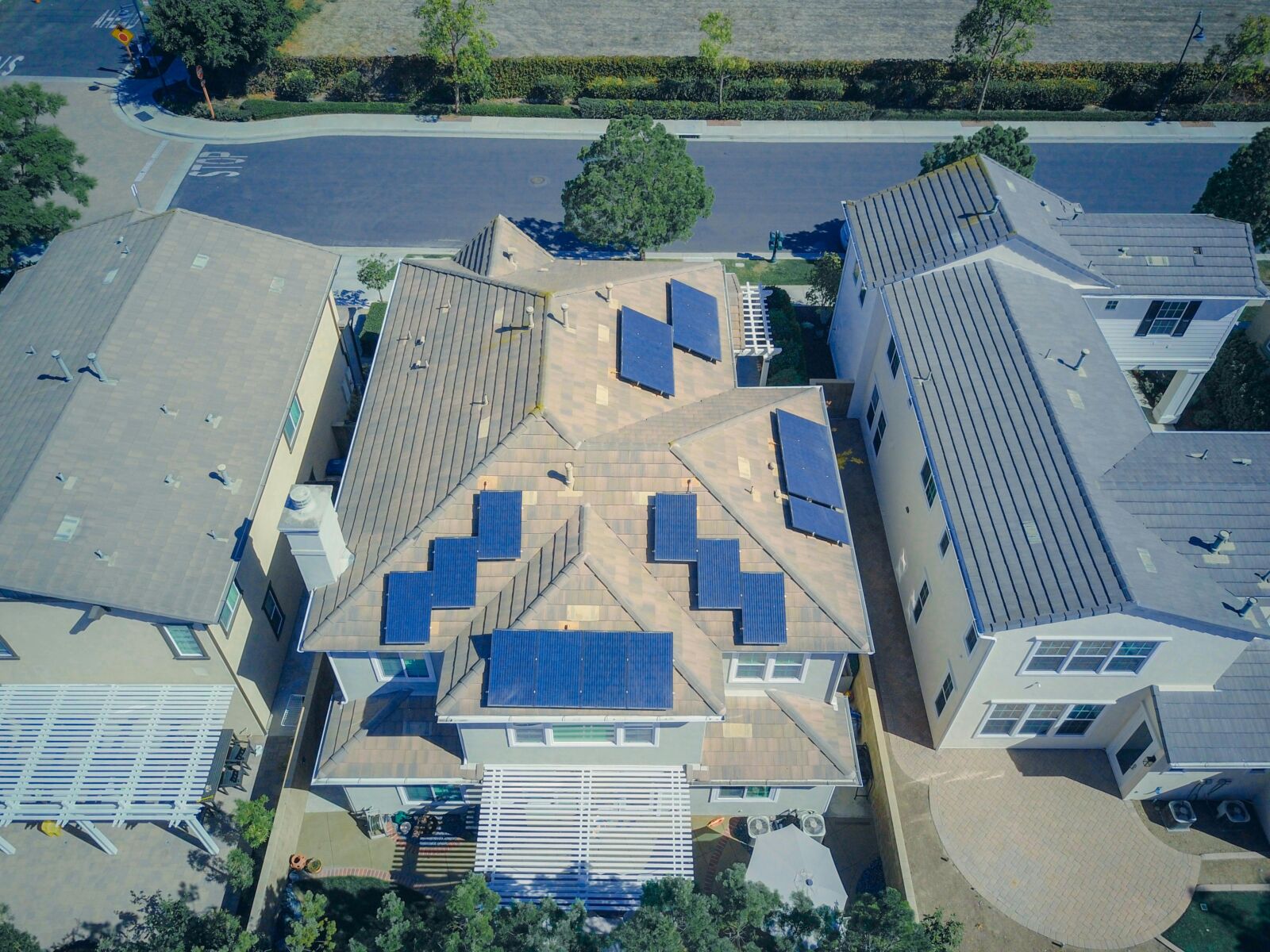
As the demand for sustainable energy solutions grows, building-integrated solar roofing (BISR) has emerged as an exciting frontier in both architectural design and clean energy adoption. Unlike traditional solar panels mounted on racks above a roof, integrated systems replace conventional roofing materials with solar-producing components, delivering both form and function.
For businesses and homeowners alike, this innovation promises long-term energy savings, aesthetic appeal, and resilience against weather extremes.
Yet one question often arises: how well do these systems perform across the many different climates found throughout the United States?
From the arid Southwest to the damp Pacific Northwest and the frigid Northeast, each region presents unique challenges and opportunities. In this article, we’ll explore how integrated solar roofing adapts to varied weather conditions and what factors stakeholders should consider in each environment.
Embracing Renewable Power in the Pacific Northwest: installing a solar roof
Despite its reputation for frequent cloud cover and rain, the Pacific Northwest has become a fertile testing ground for integrated solar technology. Many property owners in the region are discovering that installing a solar roof isn’t just feasible. It can be highly effective.
Here’s why integrated solar roofing works in the Pacific Northwest:
- Diffuse Sunlight Performance: Solar technology has improved dramatically over the past decade, with modern photovoltaics capable of generating significant energy even in indirect light. Cloudy days don’t eliminate sun exposure; they simply diffuse it, and today’s panels are built to capture that light efficiently.
- Durability Against Precipitation: Integrated systems also act as the primary weatherproofing layer of a roof. High-quality installations provide strong resistance to moisture and wind, key benefits in a region known for heavy rains and storms.
How Climate Shapes Integrated Solar Performance
Integrated solar roofing isn’t one-size-fits-all. The local climate influences system design, installation methods, and long-term maintenance. Here’s how different regions measure up.
Southwest: Sun-Drenched and Solar-Ready
The Southwest’s sunny, dry conditions make it a natural candidate for solar solutions:
- High solar irradiance means exceptional energy generation potential.
- Heat considerations drive design tweaks; integrated systems must tolerate extreme temperatures without losing efficiency.
- Dust and debris can accumulate, so easy access for periodic cleaning enhances performance.
For businesses and residences in states like Arizona and New Mexico, the combination of abundant sun and robust technology often translates to a swift return on investment.
Northeast: Winter Weather Warriors
The Northeast presents a contrasting set of conditions: snow, ice, and fluctuating temperatures. Integrated solar roofing here must be engineered for durability and reliability.
Key considerations include:
- Snow Shedding and Load-Bearing Capacity: Proper roof pitch and structural reinforcement help snow slide off, reducing weight stress and improving sunlight exposure.
- Freeze-Thaw Cycles: Resilient materials and meticulous waterproofing fight the expansion and contraction caused by shifting temperatures.
- Seasonal Planning: Energy production varies throughout the year, so storage or grid-tie solutions are essential for year-round efficiency.
Property owners in states like Vermont and New York are discovering that well-designed solar roofing systems can turn harsh winters into predictable energy contributors.
Southeast: Heat and Humidity Handled
Warm, humid climates like those in Florida and the Gulf Coast offer ample sun but also bring challenges like high humidity, hurricanes, and salt air corrosion.
Design strategies here might include:
- Elevated ventilation systems to mitigate heat buildup.
- Corrosion-resistant materials to withstand salty coastal winds.
- Reinforced mounting and sealing for hurricane-prone zones.
With the right specifications, integrated solar roofing can deliver dependable performance, even when the weather swings from sunny to severe.
What Makes Integrated Solar Roofing Stand Out
Across all these regional nuances, several core advantages make building integrated solar roofing an attractive option for diverse clients:
- Aesthetic Integration: Unlike bulky rack-mounted panels, integrated systems blend seamlessly with architectural design.
- Dual Functionality: These roofs both protect and power buildings, simplifying construction and maintenance.
- Energy Efficiency: They often deliver competitive performance compared to traditional solar setups.
- Increased Property Value: Sustainable infrastructure can enhance resale appeal.
Whether retrofitting existing structures or planning new builds, stakeholders appreciate how integrated solutions support long-term resilience and sustainability goals.
Practical Tips for Choosing the Right System
To get the most out of integrated solar roofing, keep these practical considerations in mind:
- Local Climate Data: Understand sun exposure, temperature ranges, and seasonal weather patterns to help tailor roof design.
- Building Orientation and Pitch: Optimal tilt and placement maximize energy capture.
- Material Quality and Warranties: Invest in proven technologies with strong product guarantees.
- Installation Expertise: Certified professionals ensure your system meets both energy and structural standards.
The Future of Integrated Solar Roofing
As technologies evolve, so do the possibilities for integrated solar roofing. Innovations in photovoltaic materials, energy storage, and smart grid integration promise even more versatility. For example, emerging thin-film options could enhance performance in low-light regions, while better battery solutions help smooth out seasonal variability.
For business leaders, builders, and homeowners alike, now is a pivotal time to explore how integrated solar roofing can align with environmental goals and economic realities. With thoughtful planning and the right technology, harnessing the sun’s power is no longer confined to sunny climates. It’s a viable choice from coast to coast.