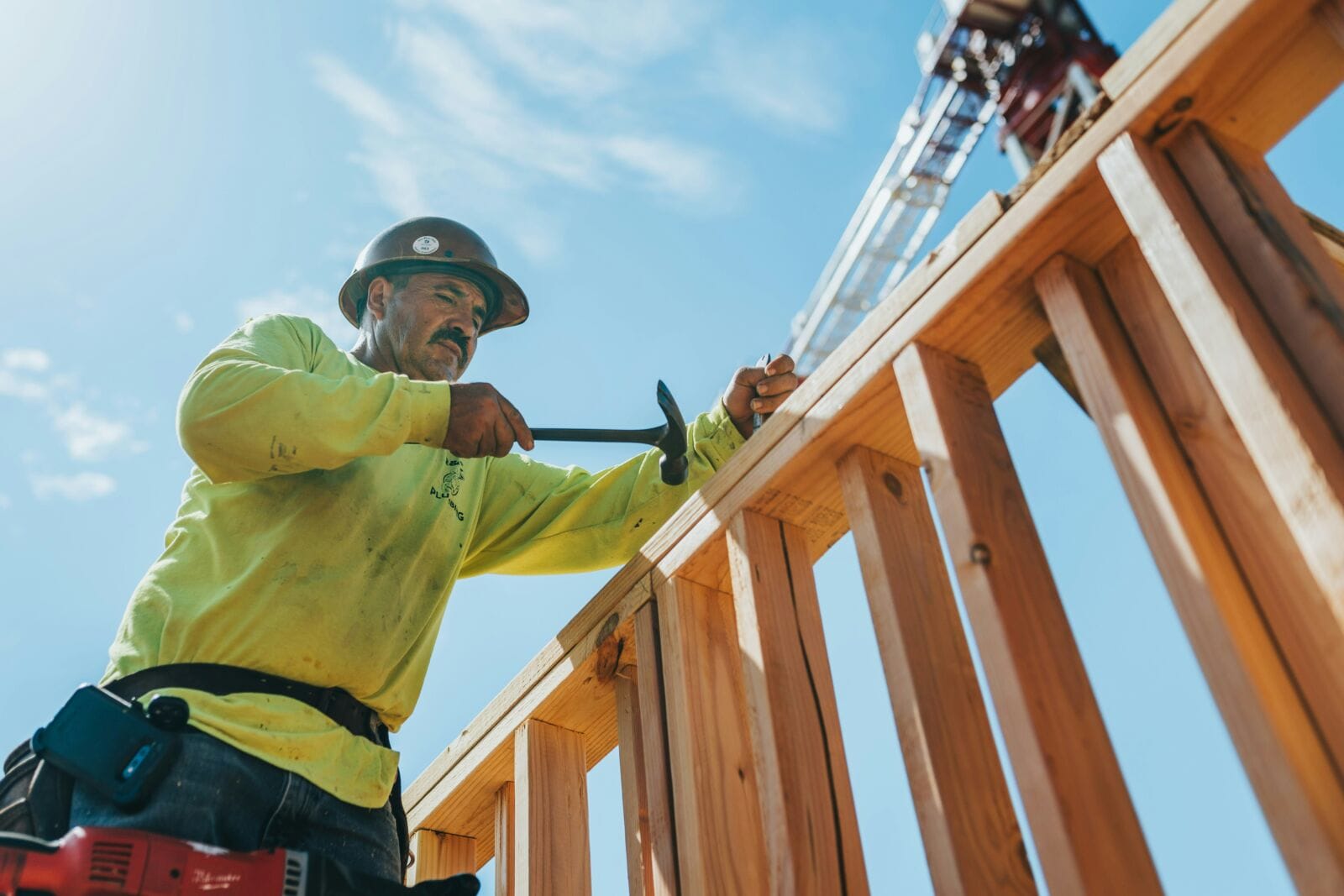
Arizona has added billions in construction value over the past three years, and the pace isn’t slowing. Semiconductor fabs, data centers, logistics warehouses, and multifamily housing are reshaping the Phoenix metro and beyond. But beneath the cranes and concrete, a quieter problem has been building: the industrial supply chain wasn’t designed for this volume, and the cracks are starting to show.
When Demand Outpaces Supply Infrastructure
The state’s construction boom traces back to a confluence of factors: TSMC’s fab investment in north Phoenix, sustained population migration from California, and federal infrastructure spending that unlocked a wave of commercial development. The Associated General Contractors of America has documented similar pressures nationwide, but Arizona sits at a particular inflection point: high output, a relatively thin local supplier base, and lead times that have stretched well beyond pre-pandemic norms.
For general contractors, the pain shows up in places that don’t make headlines. Lumber and steel get the coverage. But component-level shortages, such as fasteners, anchors, and structural hardware, are what actually stall a job site. A missing bolt spec or a three-week wait on a specialty anchor can hold up framing, delay inspections, and push completion dates in ways that compound fast.
This is where contractors have started looking past the big-box model. Working directly with specialty fastener suppliers gives project managers access to deeper inventory, technical guidance on specifications, and the ability to source harder-to-find grades and coatings that general distributors don’t stock.
The Spec Problem Nobody Budgets For
Why Substitutions Are Riskier Than They Look
When a fastener isn’t available, the instinct is to substitute. It seems minor until it isn’t. The difference between a Grade 5 and a Grade 8 hex bolt matters under load. Swapping A2 stainless for a zinc-plated equivalent on an exterior application creates corrosion exposure; Arizona’s heat accelerates that degradation faster than most contractors expect. Anchor bolts for concrete, wedge anchors, and structural lag screws each have a rated shear and tensile value tied to the application. On commercial or industrial projects, substitutions that look equivalent on paper can create code compliance issues and, in some cases, liability that surfaces long after the build is done.
How Procurement Errors Compound on Large Projects
The larger the project, the more fastener SKUs in play. A data center shell might involve dozens of distinct hardware specs across structural, electrical, and mechanical systems: vibration-resistant fasteners for equipment mounting, nylon-insert lock nuts for panels, heavy-hex anchor bolts for raised flooring. Managing that across multiple vendors, each with their own lead times and availability gaps, adds administrative overhead that eats into already thin margins.
DEEPER DIVE: Read all the Ranking Arizona Top 10 lists here
INDUSTRY INSIGHTS: Want more news like this? Get our free newsletter here
A Structural Shift in How Arizona Contractors Source
The contractors adapting fastest aren’t just switching suppliers. They’re changing how early in the project lifecycle procurement conversations happen. Bringing a specialized distributor in during pre-construction, rather than treating hardware as a commodity reorder, has become one of the more practical risk management moves on complex builds.
Star Fasteners Plus has positioned itself within this shift, offering industrial-grade inventory with the kind of spec support that large national distributors rarely prioritize for mid-market projects.
Arizona’s construction output will likely remain elevated through the rest of the decade. The supply infrastructure catching up to that reality is less a prediction than a necessity, and for contractors, finding the right sourcing partners now is cheaper than learning the lesson mid-project.