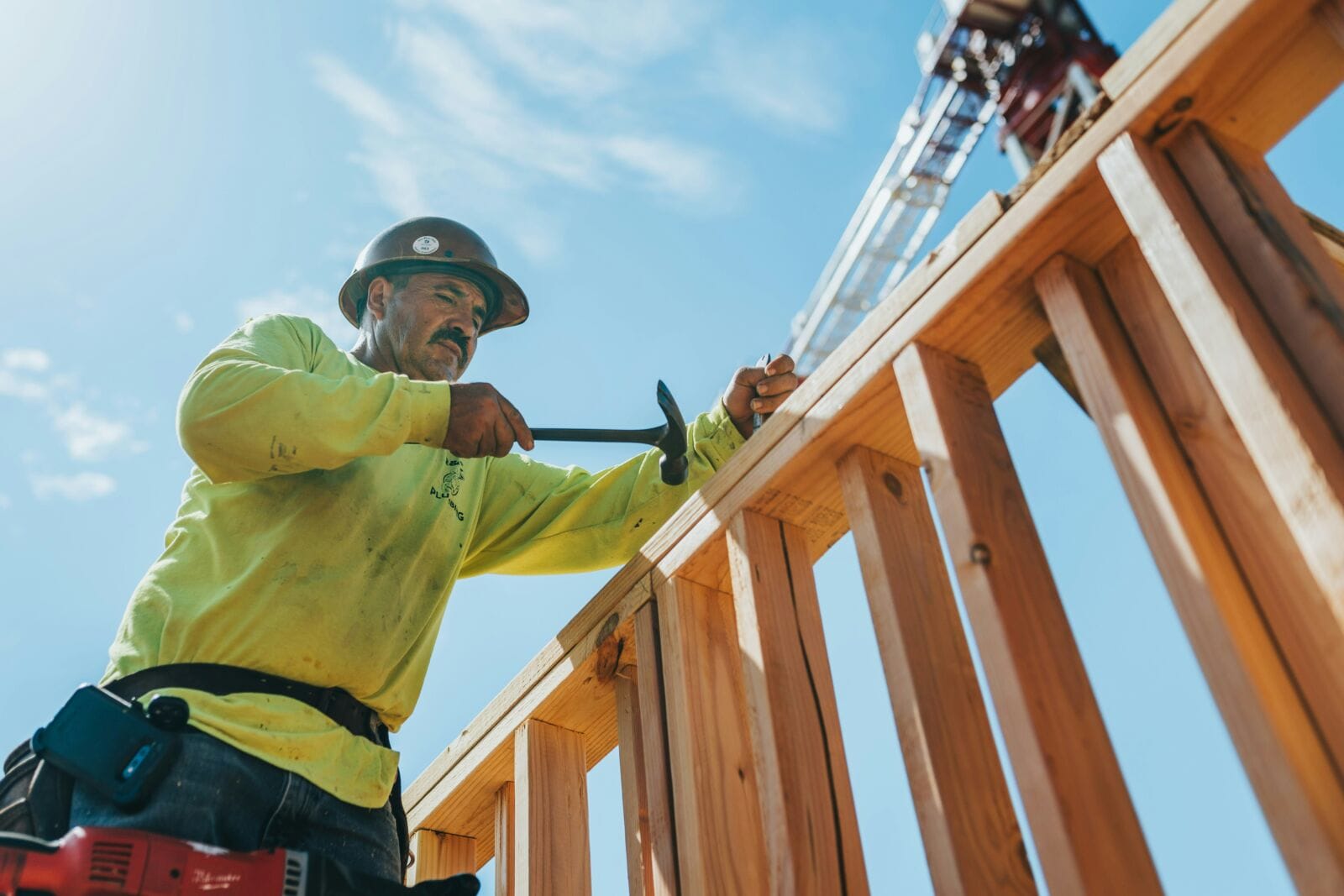
Florida continues to experience major growth in residential, commercial, and infrastructure development, creating strong demand for skilled workers across the construction sector. As more projects break ground across the state, many professionals are turning to Florida construction licensing exam training to build the knowledge and qualifications needed for long-term success in general contracting and construction management careers. This increased focus on trade education is helping contractors meet industry standards while supporting the continued expansion of Florida’s fast-moving construction market.
The Growing Demand for Skilled Construction Professionals
Florida’s population growth has created steady demand for new housing developments, retail centers, healthcare facilities, and transportation infrastructure. Construction companies are under pressure to complete projects efficiently while maintaining safety, quality, and compliance with state regulations. As a result, employers are placing greater value on workers who have completed formal training and licensing preparation.
The construction industry today requires more than physical labor alone. Contractors must understand building codes, project planning, budgeting, safety standards, and communication with clients and subcontractors. Skilled trade education helps prepare workers for these responsibilities, allowing them to step into larger roles with greater confidence and professionalism.
Licensing Education Is Raising Industry Standards
Licensing plays a major role in Florida’s construction industry because it helps ensure contractors meet state requirements before managing major projects. Educational programs designed for licensing preparation give future contractors a stronger understanding of legal regulations, construction practices, and professional responsibilities. This creates a more reliable and knowledgeable workforce across the industry.
Training programs also help reduce costly mistakes that can delay projects or create safety concerns. Contractors who understand permit requirements, inspection processes, and state construction laws are often better equipped to manage projects successfully. This benefits not only construction companies but also property owners and developers investing in large-scale projects throughout Florida.
Online Learning Is Expanding Access to Trade Education
One of the biggest changes in skilled trade education is the rise of flexible online learning opportunities. Many aspiring contractors already work full-time in construction and need training options that fit around demanding schedules. Online programs allow workers to study licensing materials and industry concepts without stepping away from their current jobs.
This flexibility is helping more people enter the construction field or advance into leadership positions. Workers who may not have had access to traditional classroom programs can now prepare for licensing exams from anywhere in Florida. As more professionals gain access to quality training resources, the construction workforce continues to grow stronger and more qualified.
Skilled Trade Education Supports Business Growth
Construction companies benefit directly from having educated and licensed professionals on their teams. Contractors with proper training are often better prepared to handle project coordination, manage timelines, and maintain compliance with state requirements. This improves overall project efficiency and helps businesses build stronger reputations within the industry.
Well-trained professionals also contribute to improved communication on job sites. Construction projects involve multiple teams working together under strict deadlines, and misunderstandings can quickly create delays. Workers who understand industry terminology, regulations, and project expectations are better equipped to collaborate effectively and keep projects moving forward.
Education Helps Address Workforce Shortages
Like many states, Florida has faced challenges related to skilled labor shortages in construction. As experienced professionals retire, the industry must attract and prepare a new generation of workers capable of meeting growing demand. Skilled trade education is becoming one of the most important tools for filling this gap.
Training programs help introduce younger workers and career changers to the opportunities available in construction. Many people are discovering that skilled trades offer stable income, career advancement, and entrepreneurial potential. By making licensing preparation and technical education more accessible, the industry is creating pathways for long-term workforce development.
Modern Construction Requires Ongoing Learning
The construction industry continues to evolve as new technologies, materials, and sustainability practices become more common. Contractors today may work with advanced software systems, energy-efficient building methods, and updated safety standards that require ongoing education. Skilled trade training helps professionals stay current with these industry changes.
Continuous learning also helps contractors remain competitive in a growing market. Clients increasingly expect high-quality workmanship combined with strong project management and communication skills. Contractors who invest in education are often better positioned to adapt to changing market expectations and secure larger opportunities within Florida’s construction sector.
Conclusion
Florida’s construction industry is expanding rapidly, and skilled trade education is playing a critical role in supporting that growth. From licensing preparation to ongoing professional development, educational programs are helping workers gain the knowledge needed to manage projects safely, efficiently, and professionally. As demand for qualified contractors continues to rise across Florida, skilled trade education will remain an essential part of building a stronger and more sustainable construction workforce.