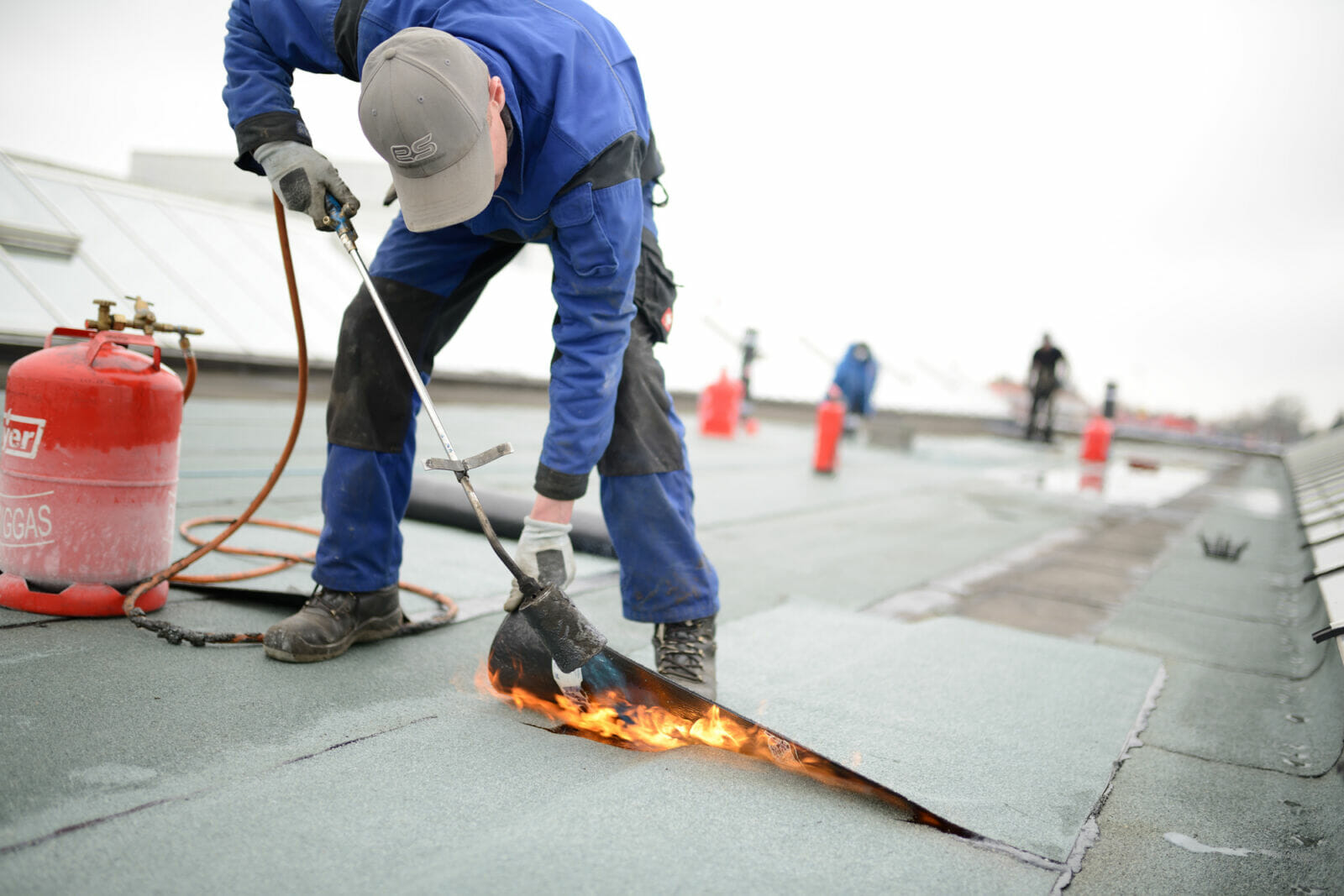
A successful commercial roof overhaul starts with two things: a realistic budget and a well-planned schedule. Property owners and managers need to account for the roof’s current condition, material and labor costs, weather, tenant needs, and the possibility of unexpected repairs before work begins.
Arizona properties face particular challenges when it comes to commercial roofing. Intense summer heat, strong sunlight, temperature fluctuations, and seasonal monsoon storms can all affect roofing materials and influence when major work should be scheduled.
Waiting until a roof develops a major leak can make the process more expensive and disruptive. A proactive approach gives owners more time to compare contractors, plan around tenants, and build a budget that accounts for both immediate costs and long-term maintenance.
Assess the Roof Before Setting a Budget
A professional roof inspection should be the starting point for any major overhaul. An inspection can identify damaged areas, drainage problems, deteriorated materials, and other issues that may affect the project’s scope.
Property owners should also consider the roof’s age and maintenance history. A roof that has received regular maintenance may require a different approach than one with years of deferred repairs.
Documenting the roof’s condition can help establish realistic priorities. Important factors to review include:
- Roof age
- Existing damage
- Drainage performance
- Insulation condition
- Previous repairs
- Remaining service life
Build a Life-Cycle Roofing Budget
The cheapest initial option is not always the most economical choice over the life of a commercial roof. Owners should consider installation costs alongside expected durability, maintenance requirements, energy performance, and eventual replacement needs.
Material selection can have a significant impact on both the initial budget and long-term expenses. Arizona’s climate makes heat resistance and weather performance particularly important considerations when comparing roofing systems.
When developing the budget, leave room for costs beyond the roofing materials themselves. A comprehensive project budget may include:
- Labor
- Materials
- Tear-off and disposal
- Insulation
- Structural repairs
- Permits
- Equipment rentals
- Contingency funds
A contingency amount can provide some flexibility if contractors uncover damaged decking or other problems after work begins. Planning for unexpected expenses is generally easier than trying to secure additional funding in the middle of a project.
Compare Contractors and Project Scopes
Choosing a contractor involves more than comparing the bottom-line price on several estimates. Owners should make sure each proposal addresses a comparable scope of work so they can evaluate the bids fairly.
Look for contractors that clearly explain their services, materials, project experience, and warranty options. Reviewing contractor websites can also provide useful context about the company’s capabilities, completed projects, and approach to commercial roofing.
For example, Bibbo Builders roofing provides information about its services that can help property owners understand the company’s capabilities before requesting a project estimate. Reviewing service descriptions and project information can make it easier to determine whether a contractor appears equipped to handle the property’s specific needs.
Schedule Around Arizona Weather
Timing can have a major effect on a commercial roofing project in Arizona. Extreme summer heat can make certain work more challenging, while monsoon storms can interrupt outdoor construction and create scheduling complications.
Property owners should discuss weather considerations with prospective contractors before selecting a start date. Building some flexibility into the schedule can help accommodate unexpected storms or other delays without immediately disrupting the entire project timeline.
Consider scheduling around the property’s busiest periods as well. A retail center, office building, warehouse, or multifamily property may have different operational constraints that affect when crews can access the roof.
Plan for Tenants and Daily Operations
Commercial roofing projects can create noise, equipment traffic, restricted access, and temporary disruptions. Communicating those impacts ahead of time can make the experience easier for tenants, employees, customers, and contractors.
Property managers should establish how construction updates will be communicated and identify areas where access needs to remain available. A detailed project schedule can help everyone understand when the most disruptive phases are expected.
For occupied properties, discuss practical considerations such as:
- Parking restrictions
- Construction access
- Work hours
- Noise concerns
- Temporary closures
- Safety procedures
Clear communication can reduce confusion and help tenants plan around the work. Keeping people informed is especially important when a project will take place over several weeks.
Protect the Investment With Warranties and Maintenance
A new commercial roof should be viewed as a long-term investment rather than a one-time construction expense. Before signing a contract, review manufacturer and contractor warranties carefully and understand what each one covers.
Ask about maintenance requirements and recommended inspection schedules as well. Regular inspections can help identify small problems before they develop into expensive repairs and can help preserve the roof’s expected service life.
Documentation should be kept throughout the project, including contracts, warranties, material information, inspection reports, and records of completed repairs. Having those records available can make future maintenance and warranty claims much easier.
Create a Plan Before Work Begins
Budgeting and scheduling a commercial roof overhaul requires more than getting a single estimate and choosing a start date. A thorough process considers the roof’s condition, Arizona’s climate, material performance, contractor qualifications, tenant needs, and long-term maintenance.
Starting early gives property owners more time to evaluate their options and address potential problems before they become emergencies. Working with an experienced company such as Bibbo Builders can also help owners develop a clearer understanding of the project’s scope and what to expect throughout the process.