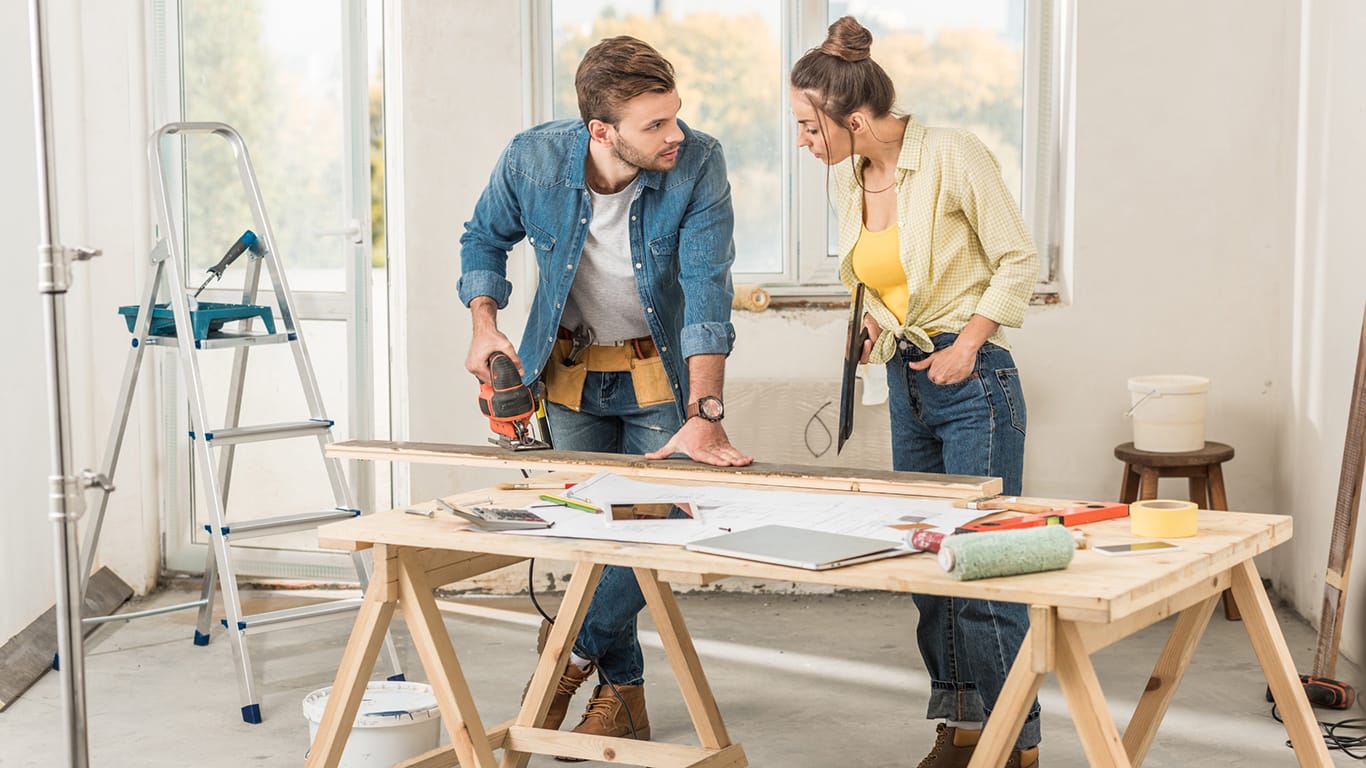
Fixer-uppers are receiving heightened interest online right now, though the term itself can evoke feelings of both excitement and hesitation in buyers. For homeowners who can look past dated finishes and less-than-Instagram-worthy interiors, a fixer-upper can be a great opportunity for securing a home within budget and embracing the opportunity to elevate it. What can be more challenging is identifying if a fixer-upper is worth the purchase, or a potential money pit that might be better left to professionals who have more funding and resources for making it safe (and stylish) to live in.
DEEPER DIVE: Top 10 Arizona ZIP codes people are moving to in 2025
LOCAL NEWS: 100 best places to work and live in Arizona for 2025
As a Realtor and designer who has completed more than 190 home transformation projects, I’ve learned how to spot the difference. At its core, a fixer-upper is a home that has lost its way. Over time, layers of mismatched updates, bad decisions, and lack of maintenance can obscure the original charm of a property, leaving it at varying levels of disarray. The goal for a homeowner seeking a budget-friendly deal is to restore its identity by focusing on the cosmetic features and not reinvent it from the ground-up.
HGTV’s aptly named “Fixer Upper” TV show that began airing during the 2010s inspired viewers on how old, forgotten properties could become just as beautiful, if not more appealing, than new builds. Sellers who list fixer-uppers online will often use phrases like “sold as-is,” “attention, investors,” “has good bones,” and “renovation ready.”
Years ago, both homebuyers and investors alike would go after the same fixer-uppers regardless of the level of repairs needed, but due to rising costs of materials and labor making big-ticket updates even more expensive, this competitive dynamic has changed. I now sort fixer-uppers into two categories, which usually appeal to different types of shoppers:
Category 1: ‘Cosmetic’ fixer-uppers
Fixer-uppers in the cosmetic category are more cost-effective and accessible for homeowners seeking lower home prices or the chance to make a home their own, in the spirit of HGTV. A cosmetic fixer-upper may require fresh coats of paint to fix a bad paint job, updated appliances, new countertops, different light fixtures, basic landscaping, or new flooring. A savvy homebuyer can recognize that in comparison to the repairs needed for homes in the ‘bones’ category, such minor cosmetic updates cost much less. I always recommend that sellers make these updates before listing, but so many sellers don’t want to make that investment. This can cause a cosmetic fixer-upper to sit on the market much longer, which creates an opportunity for a buyer to potentially secure the property for a lower price and make it what they want it to be.
Category 2: ‘Bones’ fixer-uppers
These homes require a buyer to invest much more money and time into fixing the property, and are better suited for seasoned investors who have the resources and experience to manage large-scale renovations. Fixer-uppers in this category are likely not habitable as-is, requiring expensive and extensive repairs to the roof, electrical systems, HVAC, plumbing, or structure itself. If considering a home in this category, a buyer should work with an agent to have it inspected and do their due diligence. However, with the way expenses have changed, I would not advise the average home shopper, who might only be considering a fixer-upper for budget reasons, to take on such an intensive project.
Is the Fixer-Upper Worth It?
If you’re considering a fixer-upper, ask yourself…do you love the layout? Does the floor plan work for you? If it does, then it’s a matter of ensuring the home is safe to live in and if there are any larger issues, understanding what those will cost to resolve. Dated appliances, sloppy paint jobs and updating fixtures or finishes might seem daunting, but they are often the easiest and most cost-effective fixes. With a little vision and a modest budget, a buyer can transform a cosmetic fixer-upper into a personalized, stylish home for much less than the cost of an already updated property. Fixer-uppers aren’t for everybody, but for the open-minded, these properties can offer the chance for somebody to create their dream home for a lot less than they might be able to buy it.
Author: James Judge is a Realtor and Designer with HomeSmart (@thehousejudge on Instagram).