Eco friendly roofing uses sustainable materials and smart design to reduce environmental impact while improving home efficiency. Options like solar shingles, green roof systems, and reflective surfaces lower energy use, manage stormwater, and cut long-term costs. These energy efficient roofing solutions support climate resilience and align with Canada’s push for greener building practices – making them a smart choice for modern, environmentally conscious homeowners.
As climate awareness grows across Canada, more homeowners are rethinking every part of their property – including what’s overhead. The roof, once seen only as a shield against rain and snow, is now a strategic asset in energy conservation and environmental stewardship. Whether you’re building new or upgrading an older home, choosing eco friendly roofing isn’t just a trend – it’s a long-term investment in efficiency, resilience, and planetary health.
With innovations like solar shingles and green roof systems gaining traction, sustainable roofing materials are more accessible than ever. If you’re exploring large-scale solutions, even commercial roofing instalation principles can offer insights into durability and lifecycle planning for residential applications.
LOCAL NEWS: Phoenix housing market outpaces national trends again in 2025
INDUSTRY INSIGHTS: Want more news like this? Get our free newsletter here
Top Eco Friendly Roofing Options for Modern Homes
Choosing the right sustainable roofing solution depends on your climate, roof design, budget, and long-term goals. Fortunately, today’s market offers a range of eco friendly roofing options that balance performance, aesthetics, and environmental responsibility. Below are the most effective and widely adopted sustainable roofing materials for Canadian homeowners.
Solar Shingles: Power Meets Protection
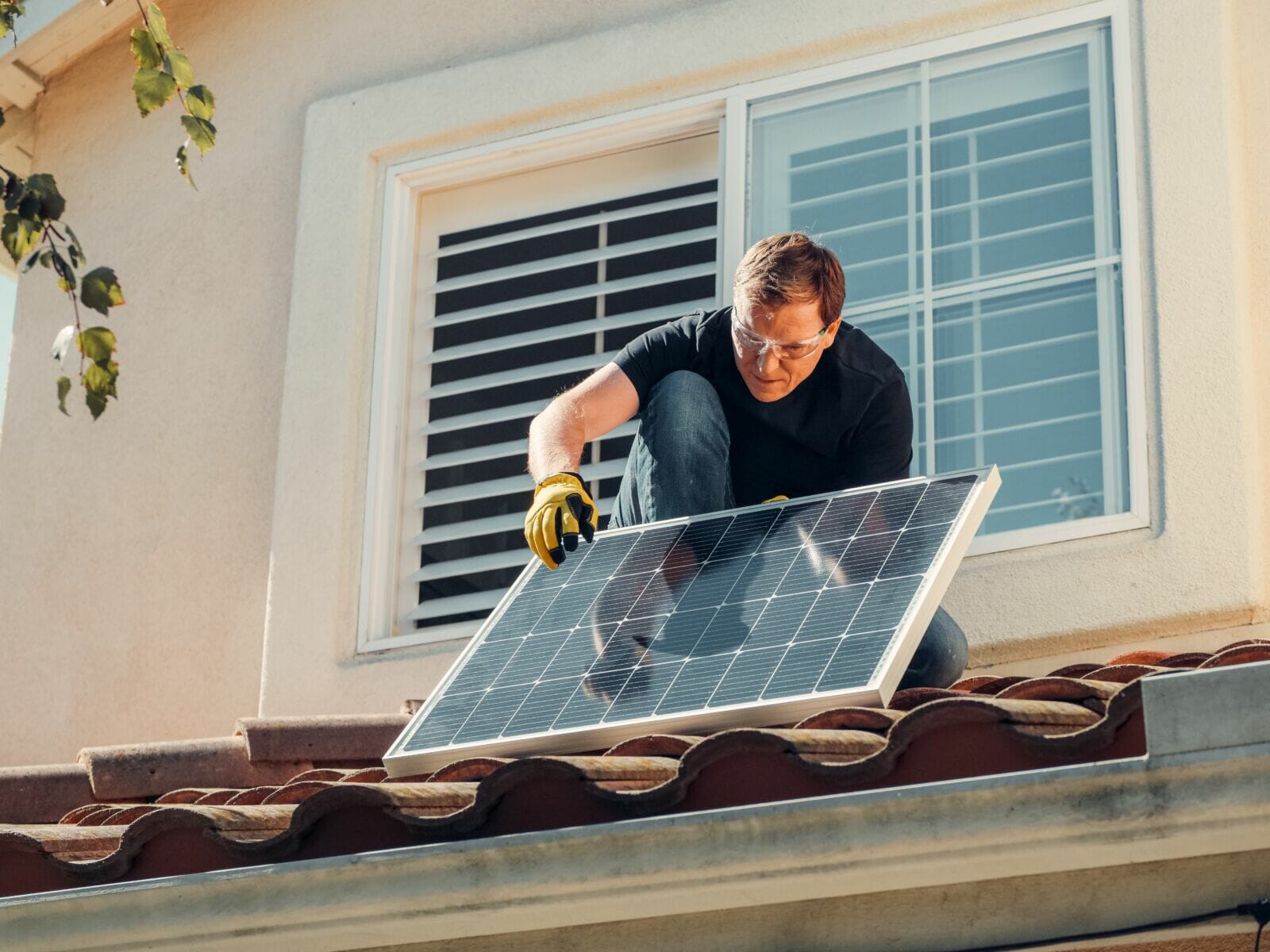
Solar shingles – also called photovoltaic shingles – integrate seamlessly into a standard roof while generating clean electricity. Unlike traditional solar panels mounted above the roofline, solar shingles lie flush with the surface, preserving architectural integrity while harnessing solar energy.
Ideal for south-facing roofs with ample sun exposure, they can offset a significant portion of a home’s electricity use. Many Canadian provinces offer rebates or net metering programs that improve return on investment. While upfront costs are higher than conventional shingles, their dual function (roofing + power generation) and 25–30-year lifespan make them a compelling choice for energy efficient roofing.
Green Roof Systems: Nature on Your Rooftop
Green roof systems involve a layered assembly of waterproofing, drainage, growing medium, and vegetation installed over a structural roof deck. These living roofs provide natural insulation, absorb rainwater, reduce urban heat, and even support local biodiversity.
There are two main types:
- Extensive green roofs: Lightweight, low-maintenance, and ideal for sloped or flat roofs with shallow soil depth (5–15 cm). They typically feature hardy plants like sedum.
- Intensive green roofs: Deeper soil beds that support shrubs, grasses, or even small trees – but require stronger structural support and more upkeep.
While best suited for new construction or major retrofits due to weight considerations, modular green roof kits are making residential installations more accessible across Canada.
Recycled and Reflective Roofing Materials
Many sustainable roofing materials prioritize circularity – using post-consumer or post-industrial waste to create durable, long-lasting products:
- Metal roofing: Often made from 25–95% recycled content and fully recyclable at end-of-life. Highly durable (40–70 years), fire-resistant, and excellent for snow shedding.
- Composite shingles: Engineered from recycled plastics, rubber, or wood fibres, mimicking slate or cedar with lower environmental impact.
- Cool roof coatings: Applied to existing roofs, these reflective paints or membranes bounce back solar radiation, significantly reducing summer cooling loads – especially effective in southern Canadian cities.
These options support eco friendly roofing goals without requiring a complete system overhaul, making them practical for gradual upgrades.
Comparison of Popular Sustainable Roofing Materials
| Material Type | Lifespan (Years) | Recyclable? | Energy Savings | Best For |
| Solar Shingles | 25–30 | Yes | High | Sunny, south-facing roofs |
| Green Roof Systems | 30–50+ | Partially | Moderate – High | Flat or low-slope roofs |
| Metal Roofing | 40–70 | Yes | Moderate | All Canadian climates |
| Recycled Shingles | 20–30 | Varies | Low – Moderate | Traditional aesthetics |
| Cool Roof Coatings | 10–20 | No | High (summer) | Urban or hot-summer zones |
Each option offers unique advantages, and the best choice often combines performance, local climate suitability, and lifecycle value – not just upfront cost.
Making the Right Choice: Factors to Consider
Selecting the best eco friendly roofing solution requires more than comparing materials – it demands a holistic look at your home’s structure, local climate, and long-term objectives. While sustainable roofing materials offer clear environmental advantages, their real-world performance depends on several practical considerations.
Climate and Roof Design Compatibility
Canada’s diverse climate zones – from humid coastal regions to snowy prairie interiors – demand tailored roofing strategies. For example:
- In areas with heavy snowfall, metal roofing or steep-slope designs help prevent ice damming and allow snow to shed naturally.
- In southern regions with intense summer sun, cool roof coatings or solar shingles maximize energy savings.
- Green roof systems perform best in urban settings with moderate rainfall and access to maintenance, but require adequate structural support – especially when saturated.
Roof pitch also matters. Flat or low-slope roofs (common in modern builds) suit green roofs or single-ply membranes, while steeper roofs accommodate shingles, tiles, or metal panels more effectively.
Budget, Incentives, and Lifecycle Value
Upfront cost shouldn’t be the sole deciding factor. Consider the total cost of ownership over 20–30 years:
- Solar shingles have higher installation costs but generate electricity, potentially paying for themselves over time.
- Metal roofs cost more initially than asphalt but last two to three times longer and are fully recyclable.
- Green roof systems may qualify for municipal stormwater fee reductions or green building certifications like LEED.
Check federal programs like the Canada Greener Homes Grant and provincial incentives – many offer rebates for energy efficient roofing upgrades, especially when paired with energy audits.
Professional Assessment and Installation
Even the best sustainable material can underperform if improperly installed. Structural integrity, proper drainage, ventilation, and moisture barriers are critical – particularly for advanced systems like green roofs or integrated solar. While residential projects differ from commercial roofing instalation in scale, they share the same need for expert planning, code compliance, and quality workmanship.
A professional assessment can reveal whether your roof deck can support added weight, if insulation levels are adequate, or if existing flashing needs upgrading. Taking time to evaluate these factors ensures your eco friendly roofing investment delivers both environmental benefits and lasting performance.
Final Thoughts: Building a Greener Future from the Top Down
Your roof is more than a structural cap – it’s a dynamic interface between your home and the environment. By choosing eco friendly roofing, Canadian homeowners take a meaningful step toward reducing energy consumption, managing stormwater, and lowering their carbon footprint.
Whether through solar shingles that generate clean power, green roof systems that support urban biodiversity, or reflective materials that cut cooling costs, sustainable roofing materials offer tangible benefits that extend far beyond aesthetics.
The shift toward energy efficient roofing isn’t just about individual action; it’s part of a collective movement toward climate-resilient communities. As building standards evolve and green incentives expand, early adopters gain both environmental and economic advantages. And while residential needs differ from large-scale commercial roofing instalation, the core principles – durability, lifecycle value, and responsible resource use – remain the same.