The Digital Shift in Real Estate
The real estate industry is undergoing a significant transformation driven by technology. What was once a highly manual and location-dependent business is now becoming increasingly data-driven, automated, and digitally connected.
Developers, property managers, and investors are under growing pressure to make faster decisions, reduce operational costs, and improve transparency across projects. At the same time, clients expect more engaging property presentations and accurate, up-to-date information.
Traditional tools are no longer sufficient to meet these demands. As a result, real estate companies are turning to advanced technologies that can bridge the gap between physical assets and digital systems. One of the most impactful innovations in this space is drone-powered software.
From Aerial Views to Actionable Insights
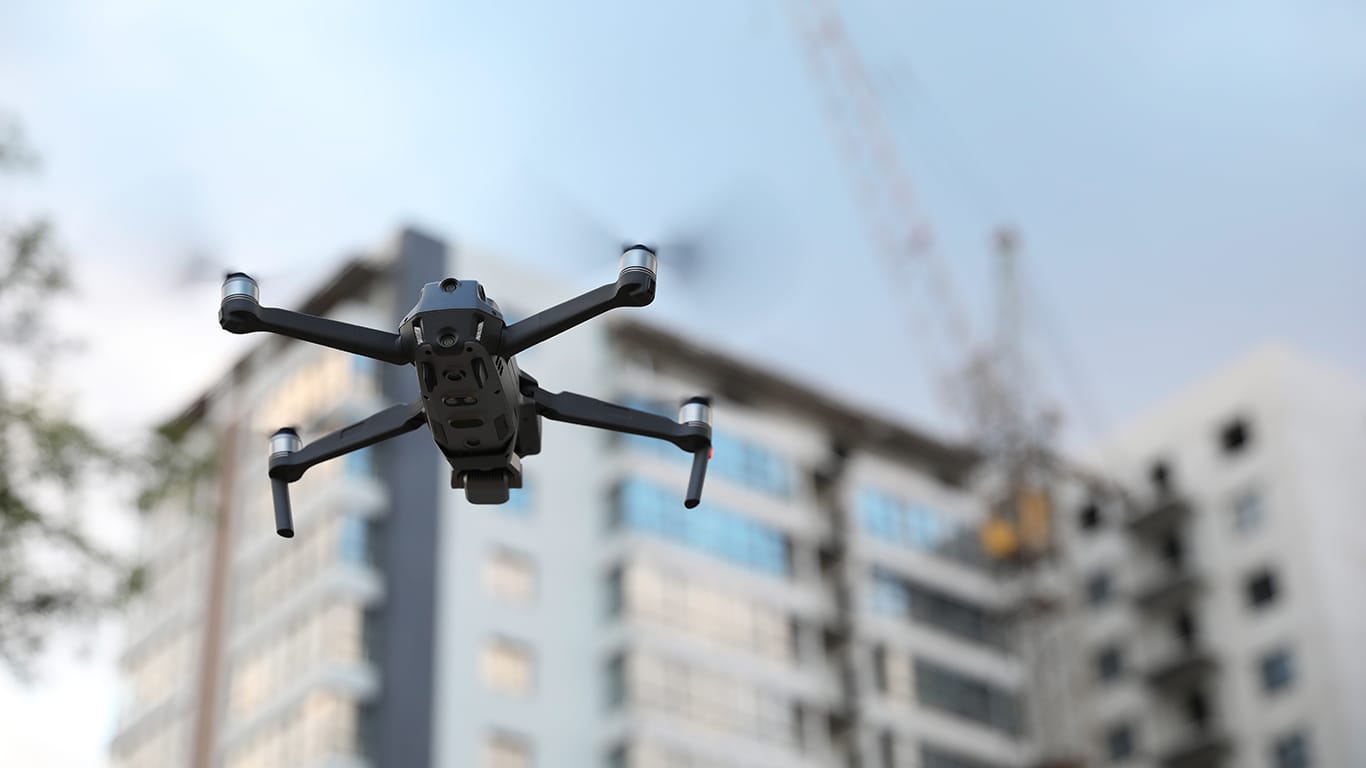
Drones have already proven their value in capturing high-quality aerial images and videos. However, the real transformation happens when this visual data is processed and integrated into business workflows.
A drone software development company enables real estate firms to go beyond simple visuals and build systems that convert aerial data into meaningful insights. Instead of relying solely on static images, businesses can access dynamic, data-rich environments that support decision-making.
For example, aerial data can be used to:
- Analyze land conditions before development
- Monitor construction progress in real time
- Identify structural or environmental risks
- Create detailed property maps and models
These capabilities allow stakeholders to gain a deeper understanding of their assets without the need for constant on-site presence.
Improving Property Marketing and Client Engagement
One of the most visible impacts of drone technology in real estate is in marketing. High-quality aerial visuals have become a standard expectation, especially for premium properties and large developments.
However, modern solutions go far beyond basic photography. With the help of advanced software platforms, real estate companies can create immersive digital experiences that attract and engage potential buyers.
These experiences may include:
- Interactive property tours with aerial perspectives
- 3D models and virtual walkthroughs
- Real-time site views for remote clients
Such tools not only enhance presentation quality but also shorten the sales cycle by providing clients with the information they need to make decisions quickly.
Custom platforms developed through drone software development company solutions allow businesses to tailor these experiences to their target audience, ensuring both functionality and visual impact. For example, companies like Wezom demonstrate how such platforms can be implemented in practice, delivering custom drone software solutions that align with specific business goals and user expectations.
DEEPER DIVE: Read all the Ranking Arizona Top 10 lists here
INDUSTRY INSIGHTS: Want more news like this? Get our free newsletter here
Streamlining Construction and Development Processes
For developers, managing large-scale projects involves coordinating multiple teams, timelines, and resources. Delays or miscommunication can lead to significant financial losses.
Drone-powered systems provide a more efficient way to monitor progress and maintain control over construction sites. By integrating drone data with web platforms, companies can track developments in real time and ensure that projects stay on schedule.
Instead of relying on periodic reports, stakeholders can access continuous updates, enabling them to:
- Compare actual progress with planned timelines
- Detect deviations early
- Improve coordination between teams
This level of visibility reduces uncertainty and helps prevent costly errors.
Enhancing Property Management and Maintenance
Beyond construction, drone software also plays a key role in ongoing property management. Maintaining large properties or portfolios requires regular inspections, which can be time-consuming and resource-intensive.
Drone-based systems simplify this process by enabling remote inspections and automated reporting. Property managers can quickly assess the condition of buildings, roofs, and surrounding areas without disrupting operations.
This approach offers several advantages:
- Faster identification of maintenance issues
- Reduced need for manual inspections
- Lower operational costs over time
By shifting to proactive maintenance strategies, companies can extend the lifespan of their assets and improve overall efficiency.
Integration with Real Estate Digital Ecosystems
To fully realize the benefits of drone technology, it must be integrated into existing digital systems. Real estate businesses often rely on platforms for customer management, financial planning, and project coordination.
A drone software development company ensures that aerial data flows seamlessly into these systems, creating a unified digital environment. This integration allows businesses to combine visual insights with operational data, leading to more informed decisions.
For example, integrating drone data with property management systems can provide a comprehensive view of asset performance, while connecting with CRM platforms can enhance client communication and engagement.
Without this level of integration, valuable data remains isolated and underutilized.
Overcoming Challenges in Adoption
Despite its advantages, implementing drone software in real estate is not without challenges. Companies must address several key issues to ensure successful adoption.
Regulatory compliance is one of the primary concerns. Drone operations are subject to local laws and restrictions, which vary by region. Businesses need to ensure that their solutions adhere to these regulations.
Data security is another critical factor. Aerial data often contains sensitive information, making it essential to implement robust security measures.
Additionally, technical complexity can be a barrier. Building and maintaining integrated systems requires specialized expertise, particularly when dealing with real-time data and large-scale operations.
Working with an experienced development partner helps mitigate these risks and ensures that the solution is both effective and compliant.
The Future of Drone Technology in Real Estate
As technology continues to evolve, the role of drones in real estate is expected to expand. Advances in artificial intelligence, machine learning, and connectivity will further enhance the capabilities of drone-based systems.
Future developments may include:
- Automated analysis of property conditions
- Predictive maintenance based on historical data
- Enhanced virtual and augmented reality experiences
- Deeper integration with smart city infrastructure
These innovations will make drone technology an even more integral part of real estate operations.
Conclusion: A New Standard for Real Estate Efficiency
The adoption of drone technology is reshaping how real estate businesses operate, market properties, and manage assets. What began as a tool for capturing aerial images has evolved into a comprehensive solution for data-driven decision-making.
A drone software development company plays a central role in this transformation by creating platforms that turn raw data into real business value. From improving marketing strategies to streamlining construction and maintenance, the impact is both wide-ranging and measurable.
For real estate companies looking to stay competitive, investing in custom drone software is no longer just an option. It is becoming a fundamental requirement for building efficient, scalable, and future-ready operations.