Building a house is exciting, but one of the first questions homeowners usually ask is simple: how long does it take to build a house?
The answer depends on the type of home, the condition of the property, the complexity of the design, the permitting process, weather, material availability, inspections, and how quickly decisions are made. A production home in a planned development may move faster than a custom home on a unique lot. A rebuild after damage may take longer than a straightforward new build because repairs, demolition, restoration, or reconstruction may need to happen first.
In many cases, the active construction phase can take around 6 to 12 months. When planning, design, permits, site preparation, and final inspections are included, the full timeline can often stretch closer to 9 to 18 months. Larger custom homes, complex sites, restoration-related projects, and high-end finishes can take even longer.
The best way to understand the timeline is to look at the full process in phases.
How Long Does It Take to Build a House in 2026?
For most homeowners, building a house is not one single timeline. It is a series of steps that must happen in the right order. Before the foundation is poured, the project usually needs design work, budgeting, engineering, permits, and site preparation. After the structure is built, the home still needs mechanical systems, insulation, drywall, cabinets, tile, flooring, fixtures, inspections, and final details.
A simple home with a clear design, prepared lot, available materials, and quick approvals may move efficiently. A custom home with unique features, special materials, difficult site conditions, or changes during construction will usually take longer.
It is also important to define what “building a house” means. Some people are only referring to the construction phase. Others mean the entire process from the first design conversation to move-in day. That difference can add several months to the expected timeline.
Phase 1: Planning, Budgeting, and Design
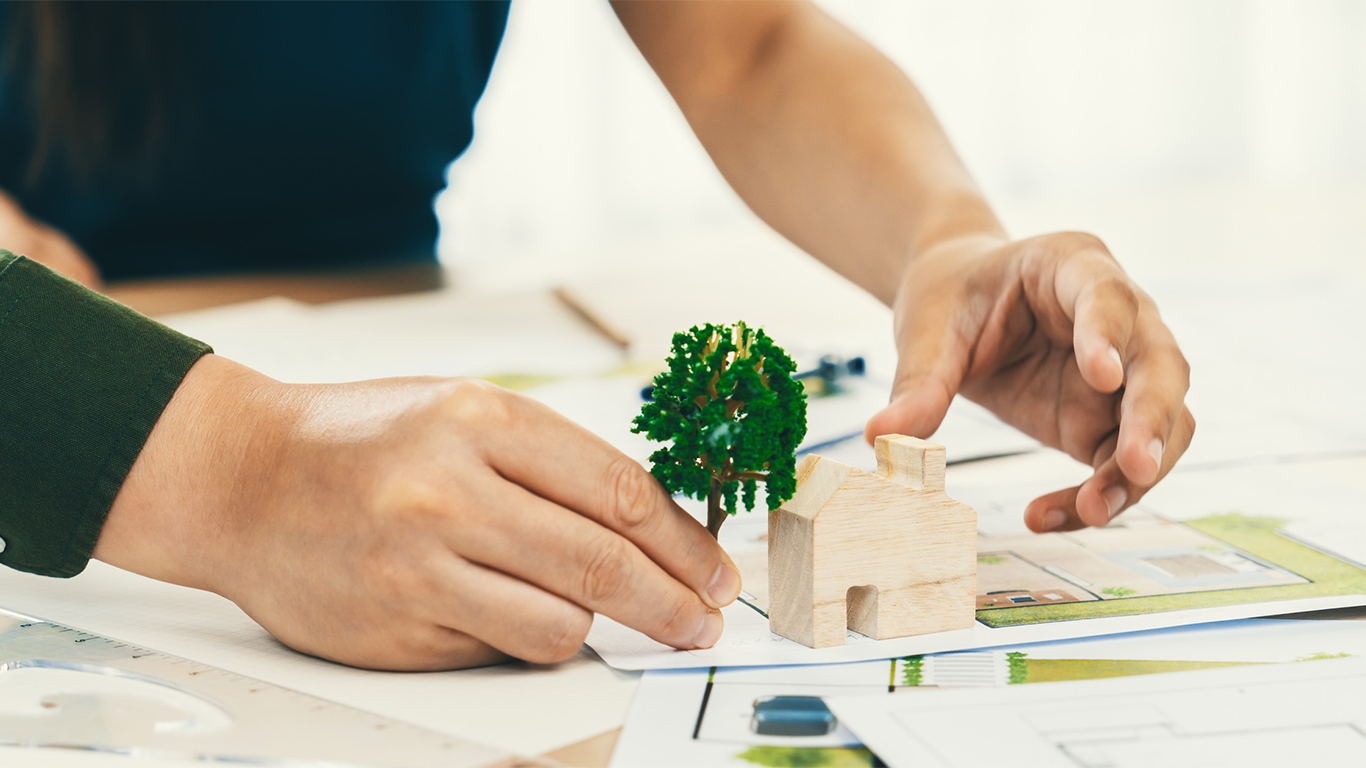
The first phase is planning. This is where the homeowner defines the size of the home, budget, layout, style, finish level, and overall goals. It may involve choosing a builder, designer, contractor, architect, or design-build team.
This phase can move quickly if the homeowner already knows what they want. It can take longer if the project involves a custom floor plan, major design revisions, engineering requirements, or budget adjustments.
Good planning matters because unclear decisions early can create delays later. If the layout, materials, or scope are not defined before construction begins, changes can affect permits, labor schedules, ordering timelines, and overall cost.
Phase 2: Permits and Approvals
Once plans are ready, they often need to be submitted to the local building department. The permit process can vary widely depending on the city, county, project type, and complexity of the home.
Some permits may be approved quickly, while others require plan revisions, engineering updates, zoning checks, environmental review, or additional documentation. Custom homes, structural changes, hillside lots, additions, rebuilds, and restoration-related projects may require more review than a standard build.
Permit delays are one of the most common reasons a home build takes longer than expected. Homeowners should ask early how long approvals typically take in their area and whether their project has any conditions that may require additional review.
Phase 3: Site Preparation
Before construction begins, the lot must be prepared. This may include clearing trees, removing debris, grading the land, managing drainage, setting up access, planning utility connections, or demolishing an existing structure.
Site preparation can be simple on a flat, ready-to-build lot. It can take longer if the land is sloped, difficult to access, heavily wooded, wet, rocky, or in need of utility extensions.
This phase is important because the quality of the site work affects everything that follows. Drainage, grading, soil conditions, and access can all impact the foundation, schedule, and long-term performance of the home.
Phase 4: Foundation
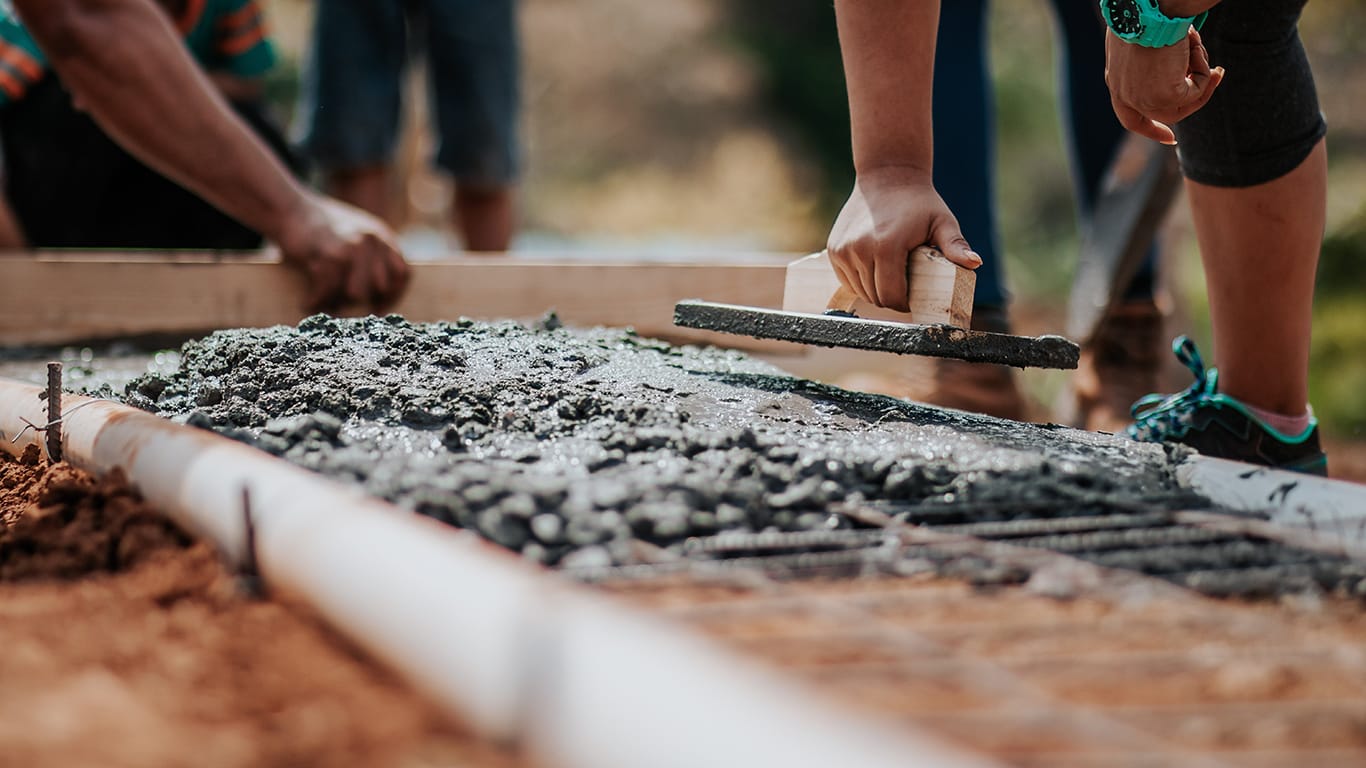
The foundation phase includes excavation, footings, forms, concrete, slab work, crawlspace construction, or basement construction depending on the home design. Inspections are usually required before work can move forward.
Foundation timing can be affected by soil conditions, weather, engineering requirements, and inspection schedules. Rain, freezing temperatures, or unexpected soil issues may slow this stage.
Once the foundation is complete, the project usually starts to feel more real because the footprint of the home is visible.
Phase 5: Framing and Exterior Shell
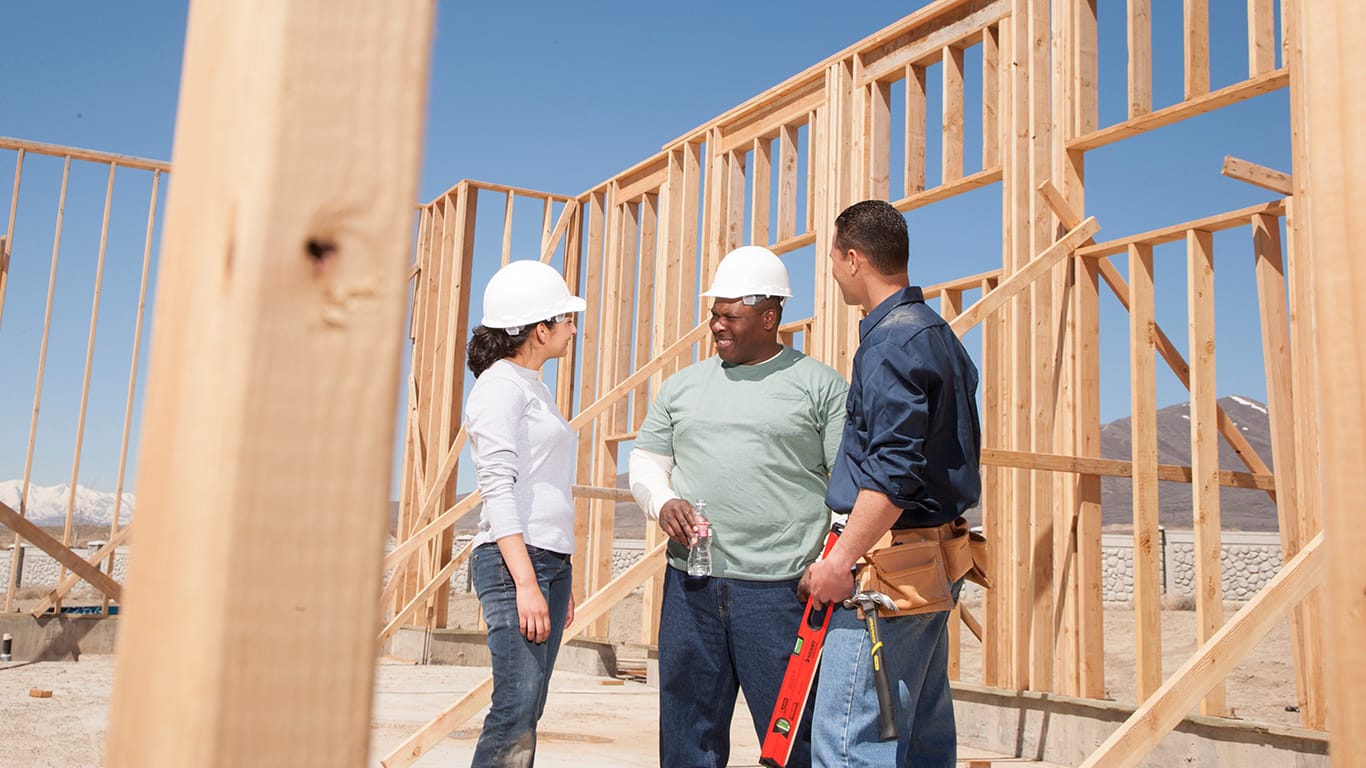
Framing is when the home begins to take shape. Walls, floors, roof structure, sheathing, windows, exterior doors, and roofing come together to create the basic shell of the house.
This phase can move faster than many homeowners expect, especially compared to the later finish stages. However, framing can still be delayed by weather, material availability, design complexity, or inspection requirements.
Once the exterior shell is in place, the home becomes more protected from the elements, allowing interior systems and finishes to move forward.
Phase 6: Rough Plumbing, Electrical, and HVAC
Before walls are closed, the major mechanical systems are installed. This includes plumbing lines, electrical wiring, HVAC ductwork, ventilation, and other behind-the-wall systems.
This phase requires coordination between multiple trades. It also requires inspections before insulation and drywall can begin. If the homeowner changes the layout, moves fixtures, adds lighting, or changes appliance locations during this stage, the timeline can be affected.
Rough mechanical work is not always visible in the finished home, but it is one of the most important parts of the build.
Phase 7: Insulation, Drywall, and Interior Preparation
After rough systems are approved, insulation is installed and drywall begins. Drywall is hung, taped, finished, sanded, and prepared for paint.
This stage changes the feel of the home dramatically. Instead of looking like a construction shell, the home starts to feel like an interior space.
Drywall and interior prep can take time because each step needs proper drying, finishing, and surface preparation. Rushing this phase can affect the quality of the walls, paint, trim, and final finishes.
Phase 8: Interior Finishes
Interior finish work includes cabinets, countertops, flooring, tile, paint, trim, interior doors, lighting, plumbing fixtures, appliances, hardware, mirrors, and final details.
This is often the stage homeowners underestimate. Finish work may seem simple compared to framing or foundation work, but it requires careful coordination. Many trades need access to the home, and materials must arrive in the correct order.
Cabinets may need to be installed before countertops are measured. Countertops may need to be installed before the backsplash. Tile may need waterproofing, layout planning, grout curing, and transitions. Flooring may need surface preparation before installation. Small delays in one trade can affect the next.
Building a New Home vs. Rebuilding or Restoring a Home
Not every home project begins with vacant land. Some projects involve fire damage, water damage, storm damage, structural issues, demolition, restoration, or reconstruction. These projects can have additional steps before the normal building sequence begins.
A rebuild may require damage assessment, debris removal, structural repair, insurance coordination, code upgrades, and restoration planning. Hidden damage can also affect the timeline once walls, floors, or framing are opened.
For homeowners dealing with structural repairs, fire or water damage, reconstruction, or major rebuild planning, a company like Golden Coast Construction & Restoration can help clarify how restoration work may affect the overall construction timeline.
In these situations, the timeline is not just about building something new. It is also about safely repairing what was damaged and making sure the home is ready for reconstruction.
Why Finish Work Can Affect the Timeline
The final stages of building a house can take longer than expected because the work becomes more detailed. Kitchens, bathrooms, flooring, tile, and specialty surfaces all require planning, precision, and sequencing.
Kitchens involve cabinets, countertops, plumbing fixtures, lighting, appliances, backsplashes, flooring, and electrical details. Bathrooms involve waterproofing, shower systems, tile, vanities, toilets, lighting, mirrors, and ventilation. Even small rooms can take time because multiple trades are involved.
During the finish stage, working with a professional contractor such as Kibuk Tile And Construction helps homeowners be proactive in planning tile, flooring, bathroom, and kitchen details before they become timeline issues.
The earlier finish selections are made, the easier it is to avoid delays. Waiting too long to choose tile, flooring, fixtures, or specialty materials can slow down the final stretch of the project.
What Can Make a House Build Take Longer?
Several common issues can extend the timeline.
Permit delays can happen when plans need revisions or local departments are backed up. Weather can slow site work, foundation, roofing, and exterior finishes. Material lead times can affect windows, doors, cabinets, flooring, tile, appliances, and fixtures.
Change orders are another major cause of delays. A layout change, finish change, or system change during construction may require new materials, additional labor, revised permits, or rescheduled trades.
Custom features can also add time. Specialty windows, custom cabinets, detailed tile work, unique flooring, outdoor living areas, and high-end fixtures often require more coordination than standard selections.
How to Keep a House Build on Schedule
No construction timeline is perfect, but homeowners can reduce avoidable delays by making decisions early.
Choose the layout, cabinets, tile, flooring, fixtures, lighting, appliances, and finishes before they are urgently needed. Ask which materials have long lead times and order them early when possible. Confirm availability before finalizing specialty selections.
Build buffer time into the schedule. Weather, inspections, material delays, and unexpected site conditions can happen even with good planning. A realistic timeline is better than an overly optimistic one.
Communication also matters. Homeowners should ask what decisions are needed next, what could delay the upcoming phase, and whether any selections or approvals are holding up progress.
Questions to Ask Before Starting a Home Build
Before starting, homeowners should ask clear timeline questions. How long will planning and design take? How long are permits expected to take? What could delay the project? Are there long-lead materials? When should cabinets, tile, flooring, fixtures, and appliances be selected?
It is also helpful to ask how inspections are scheduled, how weather delays are handled, how change orders affect the timeline, and which parts of the project are most likely to take longer than expected.
For rebuilds or restoration-related projects, ask whether damage repair, demolition, structural work, or insurance coordination may add time before construction can fully move forward.
Final Thoughts
So, how long does it take to build a house? In many cases, active construction takes around 6 to 12 months, while the full process from planning to move-in may take around 9 to 18 months. Custom homes, complex sites, restoration work, and detailed finish selections can extend that timeline.
The best way to understand the schedule is to think in phases: planning, permits, site preparation, foundation, framing, mechanical systems, insulation, drywall, finishes, inspections, and final walkthrough.
A smooth timeline depends on early planning, clear decisions, realistic expectations, and good communication. When homeowners understand each phase and prepare for possible delays, they are better equipped to keep the project moving and avoid surprises along the way.