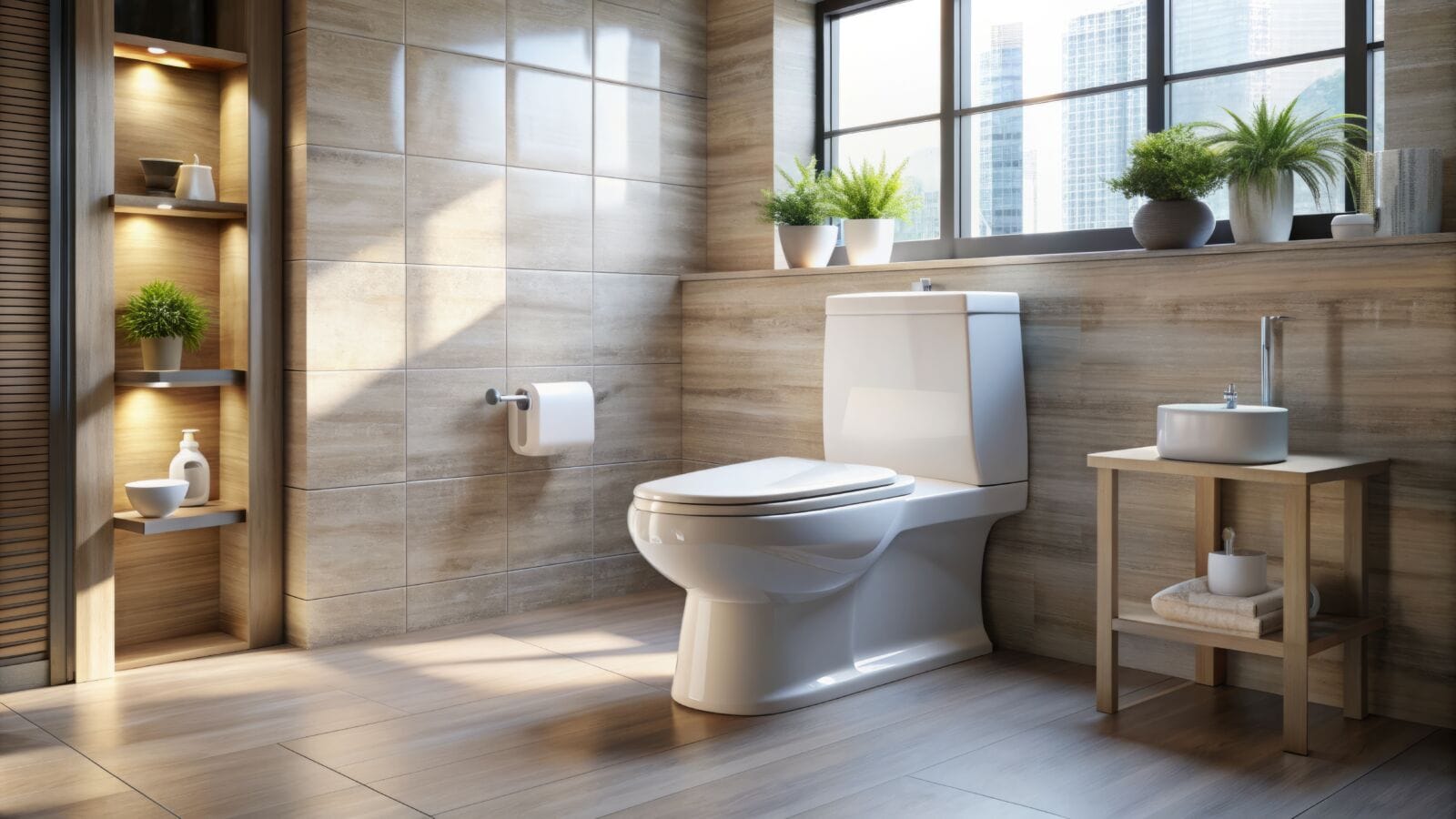
Bathrooms have a large effect on how residents judge an apartment. A dated or awkward shower can make an otherwise attractive unit feel old. A clean and comfortable bathroom can improve the first impression of the whole property.
For multifamily developers, the challenge is scale. A fixture that works well in one home must also be practical across dozens or hundreds of units. It needs to fit the budget, arrive on time, install without trouble, and remain easy to maintain.
Standardization helps control those risks. It does not mean that every bathroom has to look the same. A clear product system can still support several finishes, layouts, and price levels.
Begin With Resident Needs
Before choosing fixtures, consider how residents will use the property.
A family apartment may benefit from a handheld shower. A small studio needs a compact system that does not crowd the enclosure. An accessible unit may require an easy-entry shower, reachable controls, and space for grab bars.
Hotel-style features may look impressive, but they do not always make daily life easier. Simple controls, reliable water flow, and easy cleaning usually provide more value.
Create a short list of user needs before speaking with suppliers. This keeps the project focused on function instead of showroom trends.
Build a Small Approved Fixture Range
Too many options make purchasing and installation harder. A better approach is to approve a small family of products.
For example, a project could use one standard handheld shower for most units, one combined rain-and-hand-shower set for premium units, and one accessible configuration. The products should share common connections and service parts where possible.
A complete rain shower set with a hand shower can suit upgraded units because it combines an overhead spray with a flexible handheld option. The adjustable layout also makes it easier to serve residents of different heights.
Limiting the number of models makes staff training easier. It also reduces the number of replacement parts the maintenance team must store.
Standardize What Residents Do Not See
Design teams often focus on visible finishes. The concealed parts are just as important.
Valve positions, pipe connections, wall openings, backing, and access points should follow repeatable details. When these elements are consistent, installers can work faster and make fewer mistakes.
The same idea applies to wall trims, service channels, and other manufactured profiles. Developers do not normally buy the machinery used to make these components, but understanding how plastic profile extrusion lines support repeatable building profiles can help teams ask better questions about tolerances, materials, and supply capacity.
DEEPER DIVE: Arizona has 6 of the 30 happiest cities in America
INDUSTRY INSIGHTS: Want more news like this? Get our free newsletter here
Use Finishes to Create Variety
Standardized hardware does not require a standardized look.
The same shower layout can work with chrome in entry-level units, brushed nickel in mid-range units, and a darker finish in selected premium units. Tile, vanity color, mirrors, and lighting can provide further variation.
Keep the number of finish packages under control. Two or three coordinated schemes are usually enough. Each package should have a complete schedule so buyers and installers know exactly which items belong together.
Design for Fast Cleaning and Repair
Maintenance costs continue long after construction ends.
Choose shower heads with nozzles that are easy to wipe. Avoid shapes that collect soap residue. Make sure cartridges, hoses, and other common parts can be replaced without opening a finished wall.
The maintenance team should review samples before final approval. They may notice service problems that are easy to miss during a design meeting.
Ask suppliers about spare-parts availability and model continuity. A low initial price has less value if matching parts are unavailable two years later.
Test a Complete Mock-Up
A sample board is useful, but a full bathroom mock-up is better.
Install the shower, controls, glass, drain, lighting, and storage in a real-sized space. Then ask several people to use and inspect it.
Check whether the controls are easy to reach. Watch where the water lands. Confirm that the door opens without hitting another fixture. Test how quickly the floor drains and how easy the glass is to clean.
Record every approved height and distance. Photographs and simple diagrams can then guide installers across the project.
Coordinate Purchasing With Construction
Bulk purchasing can lower costs, but only when delivery matches the construction schedule.
Confirm packaging, labeling, batch sizes, and delivery dates before placing the main order. Each box should be easy to identify by building, floor, or unit type.
Keep a small quantity of spare fixtures and service parts. This protects the handover schedule if an item is damaged during installation.
It is also wise to inspect an early shipment. Color differences or missing components are much easier to solve before hundreds of units are affected.
Create Standards That Can Be Reused
The strongest bathroom specification becomes a useful system for future projects.
After completion, collect feedback from residents, installers, and maintenance staff. Note which products performed well and which details caused trouble. Update the approved fixture range before the next development begins.
Standardization should make decisions easier, not make design rigid. With a clear product family, coordinated finishes, and tested installation details, developers can create bathrooms that feel considered while keeping cost and construction under control.