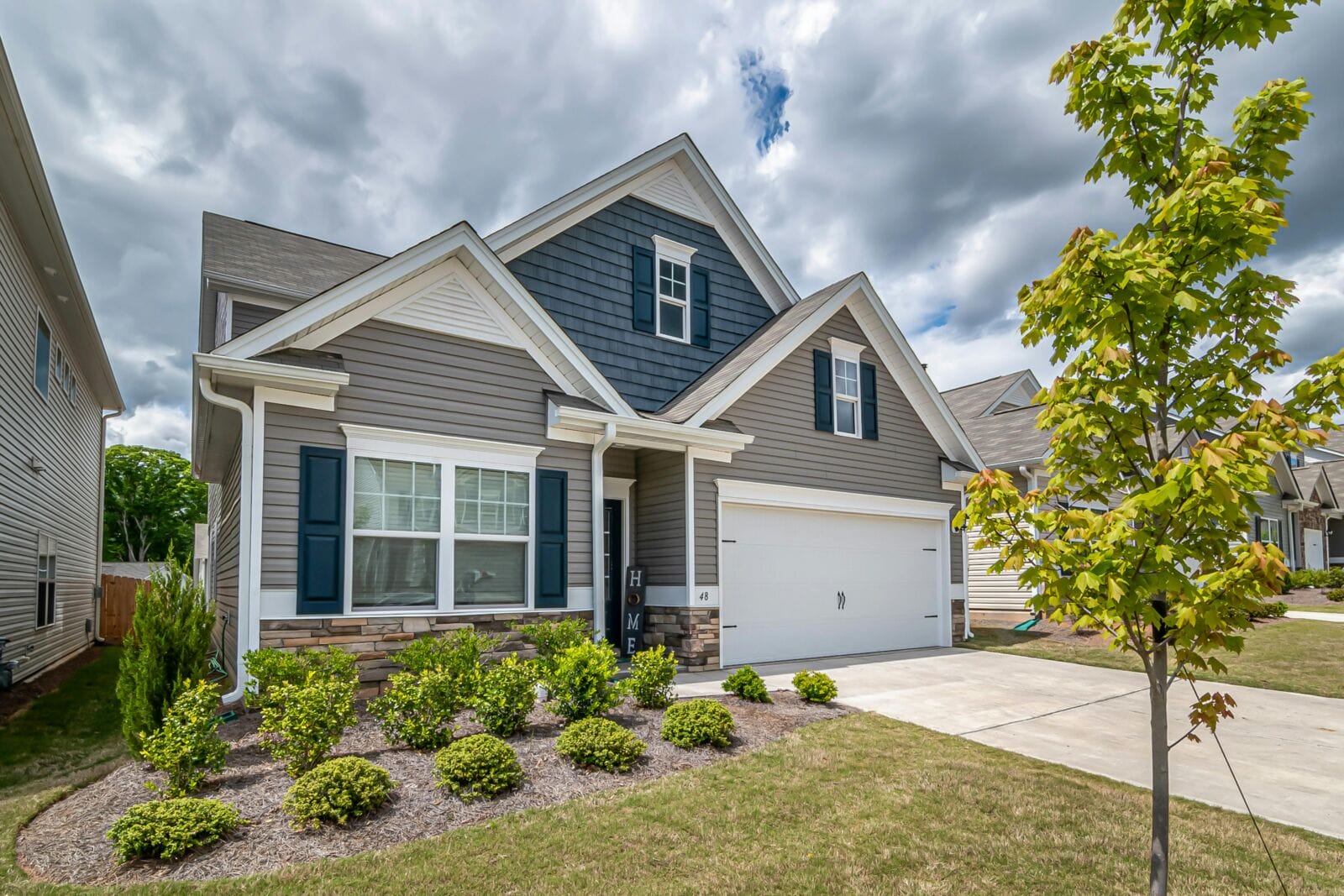
Regular exterior cleaning preserves property value by preventing structural damage, maintaining curb appeal, extending the lifespan of materials, and protecting long-term resale potential. Dirt, mold, algae, and pollutants do not just affect appearance – they gradually break down surfaces, trap moisture, and accelerate wear. When cleaning is done consistently, small issues are addressed early, and costly repairs are avoided.
Why does exterior cleaning affect property value?
The exterior of a property creates the first impression and protects everything inside it. When it is neglected, both visual appeal and structural integrity decline.
Buyers and appraisers consistently associate exterior condition with overall maintenance quality. Surfaces such as siding, roofing, decking, and masonry deteriorate faster when exposed to organic growth, pollution, and moisture. That deterioration signals hidden risk – and gives buyers negotiating leverage. A well-maintained exterior, by contrast, signals responsible ownership and reduces uncertainty during the transaction. In some cases, visible exterior neglect leads appraisers to flag deferred maintenance, which can directly lower a home’s appraised value even when the interior is in excellent condition.
For sellers, that gap between perceived and actual value is one of the most avoidable costs in the entire transaction.
How dirt, mold, and algae cause structural damage
Exterior surfaces are constantly exposed to moisture, UV rays, dust, pollen, vehicle emissions, and biological growth. Over time, this combination creates conditions where damage accelerates quietly and becomes expensive to reverse.
Moisture is the central threat. When organic buildup traps water against surfaces, it weakens materials and shortens their lifespan. Mold and mildew retain moisture against siding and wood; algae breaks down roofing materials from beneath; clogged gutters cause water to overflow near the foundation; trapped debris leads to rot in wooden elements; and air pollutants gradually stain and degrade masonry.
Regular cleaning removes this buildup before structural deterioration takes hold.
Key areas that require regular exterior maintenance
Not all exterior surfaces age at the same rate. Some areas are more vulnerable and should be prioritized.
Roof surfaces naturally collect algae, moss, and debris that trap moisture and speed up shingle deterioration. Regular roof cleaning extends the roof’s lifespan, prevents premature shingle curling, and improves water drainage. When this maintenance is skipped, roofing materials wear out faster – often resulting in costly early replacement.
Siding is constantly exposed to dust, mold, and environmental pollutants that gradually affect both appearance and structural condition. Professional soft washing removes buildup gently while preventing mold from penetrating the surface and protecting the integrity of paint and coatings.
Gutters play a vital role in directing rainwater away from the foundation and exterior walls. When they become clogged, water pools near the foundation, causing soil erosion, basement moisture issues, and wall staining. Regular clearing ensures proper flow and prevents water intrusion that can lead to serious structural costs.
Curb appeal and market perception
Exterior cleaning has a strong psychological influence on potential buyers. A clean and well-maintained property feels newer, looks structurally sound, and signals responsible ownership. Buyers are more likely to assume there are fewer hidden repair costs, and the property looks significantly better in the listing photos. Homes with strong curb appeal typically sell faster and closer to the asking price – even when the market is competitive.
Preventive maintenance vs. costly repairs
Regular cleaning costs significantly less than structural repairs or full replacements – yet most property owners only act after damage is already visible. The difference in scale is significant:
- cleaning mold from siding costs a fraction of replacing rotted wood panels behind it;
- removing algae from roofing is far cheaper than early roof replacement caused by untreated buildup;
- clearing gutters twice a year prevents foundation damage and water intrusion that can cost thousands to reverse;
- washing surfaces annually protects the paint, coatings, and sealants that shield materials from moisture – once those layers degrade, the underlying structure is exposed.
The pattern is consistent across every exterior surface. When maintenance is scheduled consistently, materials reach their expected lifespans rather than failing years early. The cost of cleaning is predictable and small. The cost of replacement is neither.
How often should exterior cleaning be done?
The right frequency depends on climate, surrounding vegetation, and exposure to pollution. As a general guideline, roofs should be cleaned every 1 to 3 years, depending on algae buildup; siding should be washed annually; gutters should be cleared at least twice a year; and driveways and walkways should be pressure-washed yearly.
According to the exterior maintenance specialists at HICLEANERS, who work across Boston, Cambridge, Somerville, Newton, and throughout Massachusetts, wet springs and harsh winters typically demand at least two gutter cleanings per year and annual soft washing to prevent mold from taking hold between seasons.
The long-term financial impact
Neglecting a property’s exterior gradually reduces its value by accelerating material deterioration, increasing repair costs, and lowering buyer confidence. Untreated surfaces age faster, and small issues turn into expensive structural problems over time. Consistent maintenance, by contrast, extends the lifespan of exterior components, preserves structural integrity, supports stronger appraisal outcomes, and keeps the property competitive on the resale market.
Exterior cleaning is not simply a cosmetic upgrade. It is a form of asset protection – and one of the simplest ways to maintain a property’s long-term value.