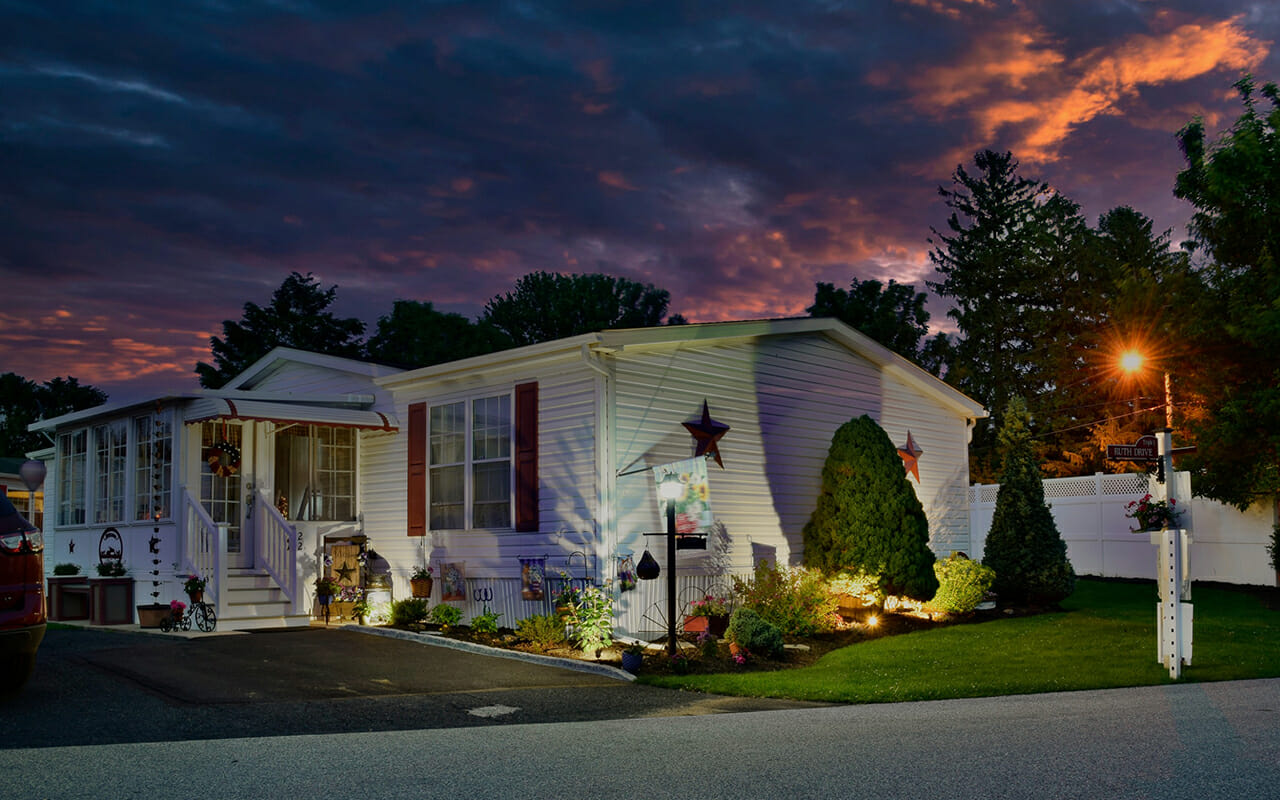
For Rochester-area buyers, a manufactured home can offer a practical path to homeownership, but the advertised price is only the starting point. Before making an offer, review the entire process of purchasing a manufactured home through Cook Properties, a Rochester, New York-based owner and operator of manufactured housing communities. Its buyer resource walks through community application, financing, closing, and move-in steps, making it a useful local reference when comparing homes and monthly costs.
A home with a lower list price is not automatically the lower-cost option. Loan terms, lot rent, insurance, utility use during Rochester winters, delivery, setup, and maintenance can all affect what a household pays upfront and over time.
Why Sticker Price Is Not the Total Cost
The purchase price tells you what the home costs before financing and site-related expenses. Total cost is broader. It includes the cash needed before move-in, the required monthly housing expenses, and the money set aside for repairs and irregular bills. For example, two similarly priced homes may yield very different budgets if one has higher lot rent, fewer included utilities, or a higher loan rate.
Start by separating one-time costs from ongoing costs. This avoids comparing one retailer’s monthly estimate with another home’s base price. It also makes it easier to see whether a lower payment depends on a longer loan term or a larger down payment.
Costs to Include in Every Comparison
Ask for an itemized estimate rather than relying on a single monthly number. For every Rochester, New York home you consider, record:
- Home purchase price, down payment, upgrades, appliances, and warranties.
- Loan interest rate, annual percentage rate, term, lender fees, and estimated total repayment.
- Lot rent or land purchase costs, plus any recurring community charges.
- Delivery, installation, foundation or support system, tie-downs, skirting, steps, and permits.
- Water, sewer, electric, gas or propane, trash, internet, insurance, and property taxes.
- Moving costs, routine maintenance, and a reserve for unexpected repairs.
Also, compare what is included with the home. A used home may have a lower purchase price, while a newer home may include appliances, updated systems, or warranty coverage that reduces near-term repair uncertainty. Neither choice is universally better. The key is to price the whole package.

Community and Land Costs
In a land-lease community, lot rent is the charge for using the home site. It may include or support certain services, but the details vary by community. Ask exactly which utilities and services are included, who handles snow removal, landscaping, and trash, and who handles road maintenance, and what remains the homeowner’s responsibility.
Request the current lease, fee schedule, community rules, and written information about how fees may change. Review pet policies, parking, occupancy limits, exterior maintenance standards, and any requirements that apply when selling the home later. Owning the land can bring additional responsibilities and financing options, while leasing a site can require less upfront land-related cash. Compare the option that best matches your budget and preferred level of responsibility.
Financing and Loan Terms
Manufactured-home financing may be structured differently depending on whether land is included, how the home is titled, the foundation, the borrower’s credit profile, and lender guidelines. The home itself generally secures a chattel loan, while a real-property mortgage may be available in some situations where the home and land are financed together.
Compare the same loan amount, down payment, and term whenever possible. Review the interest rate, APR, monthly principal and interest, fees, prepayment provisions, and total amount paid over the life of the loan. The Consumer Financial Protection Bureau explains why buyers should request and review multiple Loan Estimates before selecting a mortgage offer. A lower monthly payment can still cost more overall if repayment is stretched across more years.
Delivery, Setup, and Site Preparation
Site work is often underestimated during initial site visits. Depending on the home and its location, potential costs may include transportation, access to work, grading, drainage, foundation preparation, utility hookups, permits, inspections, porches, stairs, and exterior finishing. In the Rochester area, it is crucial to pay close attention to proper drainage and weather-ready installation, as seasonal rain, snow, and freezing temperatures can significantly impact the site.
Make sure to obtain a written scope of work that clearly outlines who is responsible for each task, what is included, and whether the costs are fixed or estimated.
Build a Realistic Monthly Budget
Use this planning formula:
Loan Payment + Lot Rent or Land Costs + Utilities + Insurance + Taxes + Maintenance Reserve = Estimated Monthly Housing Cost
For a planning example, a buyer might list a $650 loan payment, $550 lot rent, $250 utilities, $125 insurance and taxes, and $150 for maintenance savings. That produces an estimated monthly housing cost of $1,725. These are sample figures only, not a quote or prediction. Heating system, insulation, household size, utility rates, weather, and included services can all change the result.
Checklist and Questions Before Signing
- Write down the complete home price and every included feature.
- Confirm delivery, installation, utility, permit, and site-work charges.
- Record the lot rent or land cost, and include utilities.
- Compare at least three financing offers on equivalent terms.
- Estimate insurance, taxes, moving costs, and repairs.
- Read the purchase agreement, loan documents, warranty, lease, and community rules before signing.
Questions to Ask
- What costs are due before closing or move-in?
- What does the monthly lot rent include?
- Who is responsible for setup, permits, repairs, and utility connections?
- What warranties apply, and which work is excluded?
- What happens if I decide to sell the home later?
Make the Final Decision With the Full Picture
Select a manufactured home that aligns with your lifestyle and budget, rather than just the one with the lowest advertised price. Evaluate initial costs, ongoing expenses, loan repayment conditions, community regulations, commute times, available services, and potential future needs. Conducting a thorough review helps Rochester-area buyers make informed choices about homes and communities they can afford confidently.