Most landowners assume a realtor is required to sell vacant land. That assumption costs them thousands of dollars every year.
Land commissions typically run between 6% and 10% of the sale price. On a $150,000 parcel, that is up to $15,000 paid to an agent for a transaction that, with the right preparation, you can manage yourself.
Vacant land deals are structurally simpler than residential sales. There are no staging costs, no appliance disclosures, and fewer buyer contingencies. Landowners who approach the process systematically close on their own terms and pocket the savings.
Price It Right From the Start
Overpricing is the most common reason vacant land sits on the market for months. Serious buyers know local comps. If your number is out of line, they move on without making contact.
Pull recent comparable sales from your county assessor’s database. Match on acreage, zoning, road access, and proximity to utilities. If the data is thin or the parcel is complex, a professional land appraisal is worth the few hundred dollars it costs. It gives you a defensible anchor for every negotiation.
Factor in carrying costs too. Property taxes, maintenance, and any outstanding fees reduce your net at closing. Price with that math already done.
Have Your Documentation Ready Before You List
Buyers move quickly when they find the right parcel. Delays caused by missing paperwork give them a reason to walk. Before your listing goes live, have your deed, recent property survey, tax records, zoning classification, and utility documentation in hand.
Disclose any easements, liens, or encumbrances upfront. Transparency builds trust and prevents deals from unraveling at the title stage, which is expensive for both parties.
Present the Property With Intention
Land buyers are evaluating potential, not aesthetics. Still, how you present a parcel directly influences how buyers perceive its value.
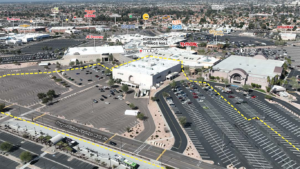
Clear debris, mark boundaries with stakes or flags, and confirm the entry point is accessible and visible from the road. Then invest in drone photography. Aerial imagery communicates acreage, topography, neighboring infrastructure, and road proximity in ways that ground-level photos simply cannot.
A strong listing photo set is not optional. It is the first filter that determines whether a buyer requests more information or scrolls past.
Market Where Land Buyers Actually Look
General real estate platforms are not enough. Land buyers use specialized search tools, and that is where your listing needs to be.
Platforms like LandWatch, Land And Farm, and Lands of America attract buyers who are specifically searching for vacant parcels. A flat-fee MLS listing gets your property in front of buyers’ agents without the full commission obligation. For rural or recreational parcels, Facebook Marketplace and regional land-buying groups generate real inquiries from motivated local buyers.
Do not overlook adjacent landowners. A well-written letter to neighboring property owners often produces the fastest, cleanest offer from someone who already knows the land and has a specific reason to expand.
Evaluate Offers on More Than Price Alone
When offers come in, read every term, not just the number. A financed offer at full asking price with multiple contingencies can take months to close or fall apart entirely. A cash offer at a modest discount often delivers a better net outcome when you account for certainty, speed, and reduced carrying costs.
Know your walk-away number before you receive any offer. Negotiating without a clear floor is how sellers make decisions they later regret.
Close the Deal With the Right Professionals
Selling without a realtor does not mean selling without professional support. Two roles are non-negotiable.
A real estate attorney drafts or reviews the purchase agreement and ensures the contract reflects your interests. A licensed title company conducts the title search, clears any liens, manages escrow, and records the deed. These are not optional steps. They are how you protect the transaction and ensure a clean transfer of ownership.
Before closing day, verify all wire transfer instructions directly with the title company by phone. Confirm the account details in writing. Wire fraud in real estate transactions is a real threat. One verification call is worth making.
When a Direct Sale Makes More Sense
For some landowners, the effort of listing, marketing, and negotiating is not the right fit. Inherited properties, out-of-state parcels, land with back taxes, or situations that require a fast and certain exit are all cases where a direct sale to a cash land buyer is worth serious consideration.
Reputable companies such as Bubba Land Company purchase raw vacant land directly from owners, handle all paperwork, and typically cover closing costs. The offer may be below retail market value, but when commissions, carrying costs, and months of uncertainty are factored in, the gap is often narrower than it appears.
The right question is not whether the offer is below list price. It is whether the net outcome, in dollars, time, and stress, serves your goals better than an open-market listing.
The Bottom Line
Selling vacant land without a realtor is a legitimate path, not a workaround. It requires preparation, targeted marketing, and professional closing support. Done well, it returns more of the sale price to you and puts the decision-making entirely in your hands.
Whether you take your parcel to market independently or request a direct cash offer, the process starts with one step: knowing what your land is actually worth.