Have you ever driven through a neighborhood and instantly judged which homes feel “modern” without quite knowing why? That reaction isn’t accidental. Exterior design trends have quietly shifted in response to climate concerns, rising home values, and even the work-from-home boom. What we see outside a house now signals more than taste. It reflects priorities like sustainability, security, and comfort.
Today’s exterior design blends style with purpose. Clean lines, smart materials, and subtle tech upgrades are reshaping curb appeal. Below is a closer look at the trends defining modern homes and how they connect to broader changes in how we live.
Simplicity That Still Feels Warm
Minimalism has evolved beyond stark white boxes. Homeowners now want clean lines paired with warmth, which explains the rise of mixed textures like wood, stone, and matte metal. This approach feels intentional rather than cold, offering visual clarity without sacrificing comfort.
This shift reflects a broader cultural move toward decluttering and mental wellness. After years of chaotic news cycles and crowded digital spaces, people crave calm environments. A simple exterior with natural materials delivers that sense of control while still standing out in a neighborhood filled with overly detailed facades.
Statement Entryways That Do More Than Impress
The front entry has become a focal point rather than an afterthought. Larger doors, bold colors, and integrated lighting create a strong first impression while improving functionality. Homeowners are treating entrances like a handshake, setting the tone for the entire property.
Even practical elements like garage doors are being redesigned to match this aesthetic shift. Instead of basic panels, many are choosing sleek finishes, glass inserts, or wood overlays that align with the home’s overall style. This change is partly driven by rising home prices, where every visible detail contributes to perceived value and resale appeal.
Sustainable Materials That Actually Last
Sustainability is no longer a buzzword; it is a requirement. Homeowners are prioritizing materials that reduce maintenance and environmental impact at the same time. Fiber cement siding, recycled steel, and composite decking are becoming standard choices.
This trend mirrors growing awareness of climate change and rising repair costs. People want materials that withstand extreme weather while lowering long-term expenses. Investing upfront in durable, eco-friendly options often saves money over time, making sustainability both a moral and financial decision.
Outdoor Living That Feels Like an Extension
Backyards and front porches are being redesigned as functional living spaces. Covered patios, outdoor kitchens, and flexible seating areas allow homeowners to use exterior spaces year-round. This trend accelerated during the pandemic and has not slowed down.
The idea is simple: if you are spending more time at home, your outdoor space should work as hard as your indoor one. Adding weather-resistant furniture, ceiling fans, and subtle lighting can transform a basic yard into a place for gatherings, relaxation, or even remote work on a mild day.
Lighting That Shapes the Entire Look
Exterior lighting has shifted from purely functional to deeply strategic. Layered lighting highlights architectural features, improves safety, and creates ambiance after sunset. Path lights, wall sconces, and uplighting are often used together for a cohesive effect.
This reflects a broader trend toward homes that adapt to different times of day. Good lighting extends usability and enhances security, which is especially important as neighborhoods grow denser. Smart lighting systems also allow homeowners to control brightness and schedules from their phones, adding convenience without complexity.
Color Palettes That Balance Bold and Neutral
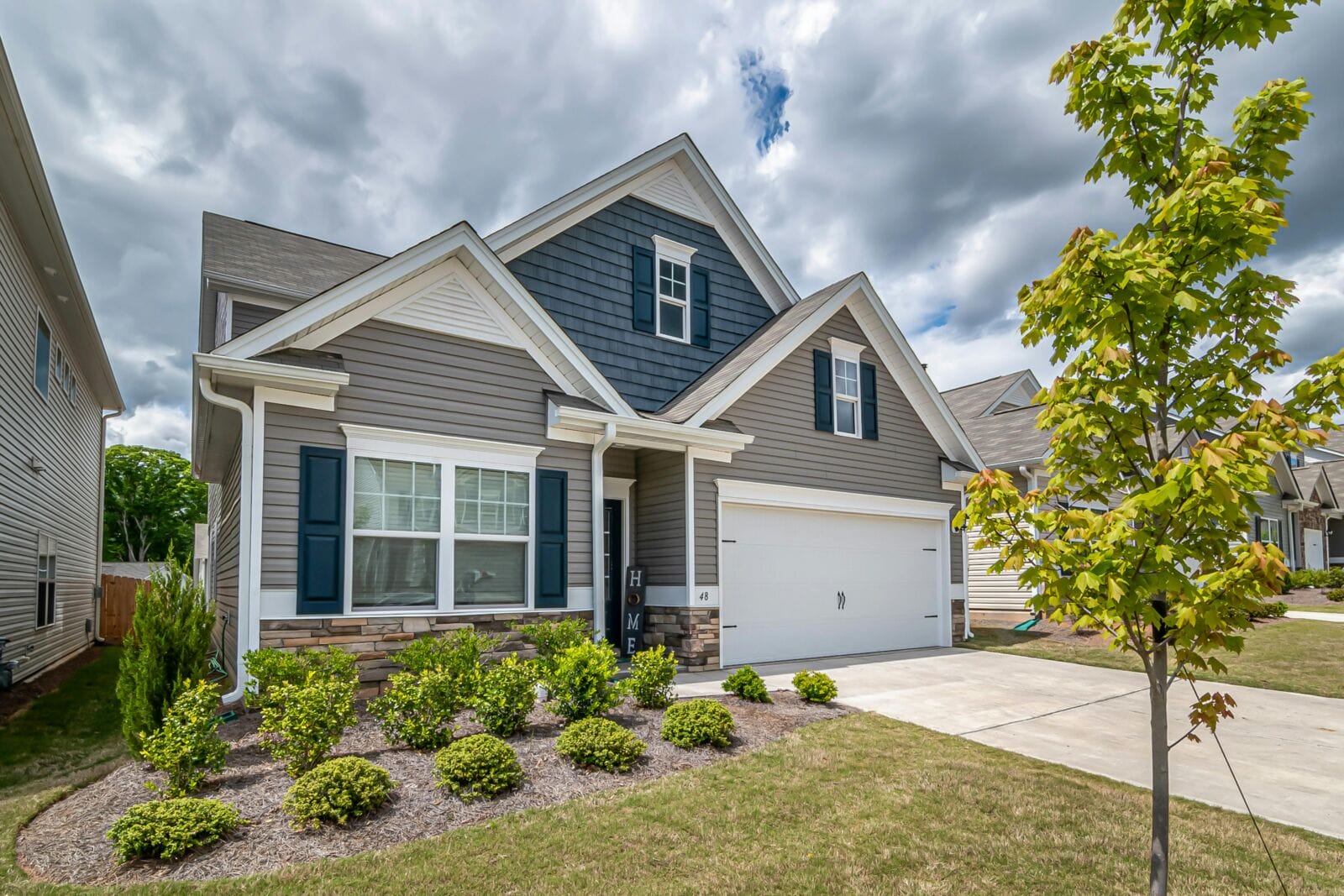
Modern exteriors are moving away from overly bright palettes toward balanced contrasts. Neutral bases like gray, beige, or soft white are paired with darker accents such as charcoal or black. This combination creates depth without overwhelming the eye.
Interestingly, this trend aligns with the rise of social media aesthetics, where homes are often photographed and shared online. A well-balanced color scheme not only looks timeless in person but also photographs well, which matters more than ever in a visually driven culture.
Landscaping That Works With Nature
Modern landscaping favors native plants, layered greenery, and low-water designs. Instead of manicured lawns that demand constant upkeep, homeowners are choosing drought-resistant plants and natural layouts that feel organic.
This trend is tied to both environmental awareness and practicality. Water restrictions in many regions and the rising cost of maintenance have pushed people to rethink traditional lawns. A well-planned landscape can reduce water use, attract local wildlife, and still provide a polished, modern appearance.
Modern exterior design is not just about keeping up with trends. It reflects how people are adapting to a changing world, where homes must balance beauty, function, and responsibility. Whether it is through sustainable materials, smarter layouts, or thoughtful details, the outside of a home now tells a richer story about how we live today.