A home is one of the most important financial assets a person can own, but its value is not fixed. It changes over time based on location, market demand, and most importantly, its physical condition. Even in strong property markets, homes that show signs of neglect often sell for less than well-maintained ones.
What many homeowners overlook is that property value does not decline suddenly. It usually decreases gradually through small, preventable maintenance issues. These issues may start as minor cosmetic concerns but often develop into structural or costly repairs over time.
Understanding common property maintenance mistakes is essential for protecting long-term value and ensuring the home remains both functional and visually appealing.
Why Property Maintenance Directly Impacts Home Value
Property maintenance plays a major role in how buyers perceive value. While location cannot be changed, a home’s condition directly influences confidence during inspections and negotiations.
A well-maintained property signals care, stability, and reduced future expenses. In contrast, visible neglect often leads buyers to assume there may be hidden problems behind walls, floors, or surfaces.
This perception is important because real estate decisions are not purely logical. Buyers often make emotional judgments within minutes of viewing a property. Even small signs of poor maintenance can significantly reduce perceived value.
In simple terms, maintenance is not just about appearance—it is about protecting trust in the property’s condition.
Surface Damage and Exterior Wear Mistakes
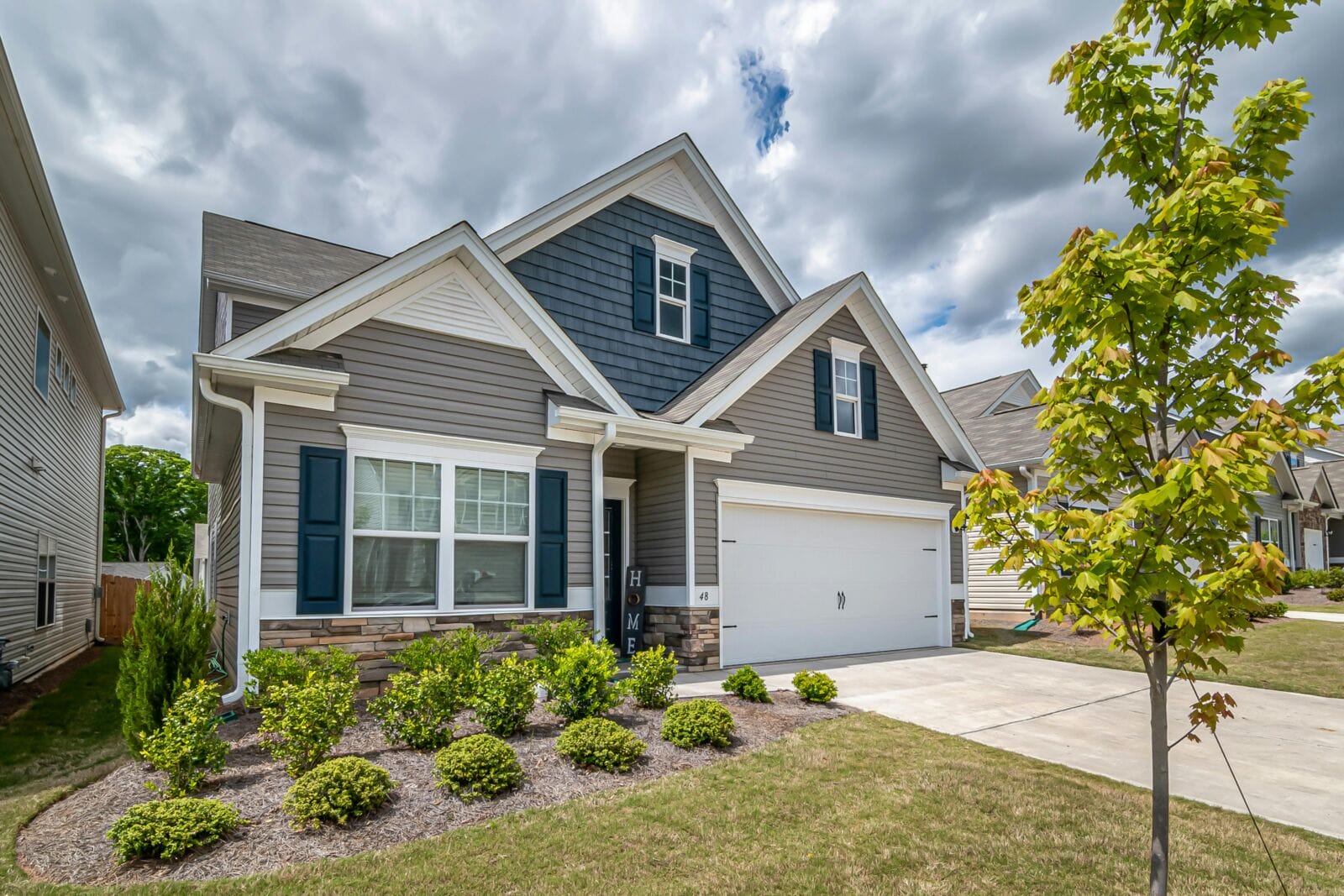
Surface condition is one of the first things buyers notice, and it strongly influences perceived value. Issues such as peeling paint, worn trims, and poorly maintained finishes often begin subtly but become more visible over time.
Peeling or cracked paint is more than a cosmetic flaw. It usually indicates that the protective surface layer has weakened. Once this layer fails, underlying materials such as timber or plaster become exposed to moisture and temperature changes. Over time, this can lead to decay or structural weakening.
Worn trims, skirting boards, and edges also affect the overall impression of a home. Even if the structure is sound, damaged finishing details can make the property appear neglected.
Another common issue is poor surface preparation before repainting or repairs. When surfaces are not cleaned, primed, or properly treated, coatings tend to fail earlier than expected. This results in repeated maintenance cycles and unnecessary long-term costs.
Common signs of surface neglect include:
- peeling or flaking paint
- visible cracks around trims or corners
- exposed or weathered timber
- uneven or patchy wall finishes
Addressing these early helps preserve both appearance and structural protection.
Moisture, Mould, and Ventilation Issues
Moisture-related problems are among the most damaging issues in residential properties because they often develop slowly and remain hidden at first. Areas such as bathrooms, kitchens, laundries, and basements are particularly vulnerable due to constant exposure to humidity.
When ventilation is insufficient, moisture accumulates, creating conditions in which mould can grow. This is not only a visual issue but also an indicator of poor airflow or hidden water intrusion. Once mould spreads behind walls or under flooring, remediation becomes significantly more complex.
Exterior walls can also contribute to moisture problems. Dirt, algae, or residue buildup can trap water against surfaces, accelerating deterioration and reducing the lifespan of protective coatings.
Typical warning signs include:
- persistent damp or musty odours
- dark patches on ceilings or walls
- condensation forming on windows
- visible mould in corners or sealed areas
Moisture issues should be addressed early because they rarely stay contained and often spread to adjacent areas.
Timber Damage and Structural Neglect
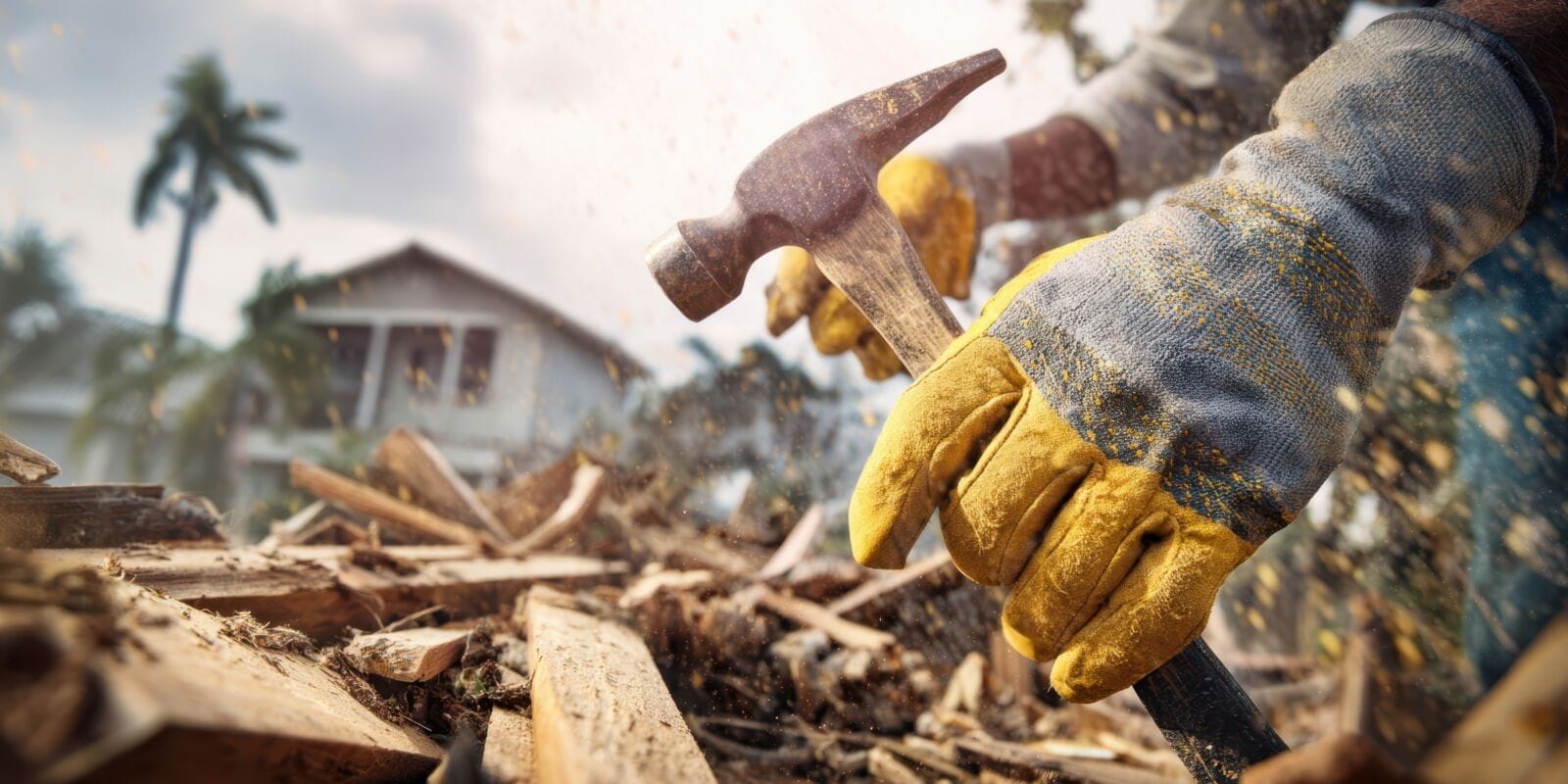
Timber elements are commonly affected by weather exposure and moisture. Doors, window frames, fencing, and structural trims require regular inspection to prevent long-term deterioration.
When timber begins to rot or crack, the damage often spreads quickly. This is because moisture absorption weakens the wood’s internal structure, making it more vulnerable to pests and environmental stress.
Small structural issues are often ignored because they do not appear urgent. However, even minor cracks or early signs of decay can lead to significant repair issues if left untreated.
Timber maintenance should focus on:
- identifying soft or discoloured areas early
- checking for splitting or warping
- ensuring proper sealing against moisture
- repairing minor damage before it spreads
Consistent monitoring helps preserve both safety and long-term property value.
The Cost of Delayed Maintenance
Delaying small repairs is one of the most expensive mistakes in property ownership. Minor issues such as leaks, cracks, or damaged fixtures may seem harmless at first, but they rarely remain stable over time.
Water damage is one of the most common examples. A small leak can slowly affect surrounding materials, leading to mould growth, structural weakening, and broader interior damage. What begins as a simple fix can eventually turn into a major renovation.
Delayed maintenance also affects buyer perception. During inspections, visible signs of neglect suggest that other hidden issues may exist. This reduces buyer confidence and often results in lower offers or stronger negotiation pressure.
In practical terms, delaying maintenance leads to:
- Higher repair costs over time
- Reduced buyer confidence during inspections
Both factors directly influence the final property value.

Preventive Maintenance Strategy for Homeowners
A preventive approach to maintenance is far more effective than reacting to problems after they appear. Regular inspections and seasonal checks help identify early warning signs before damage becomes severe.
Different weather conditions can reveal different issues. For example, heavy rainfall may expose roof or drainage problems, while dry seasons may highlight cracks or material shrinkage.
Routine inspections of walls, ceilings, timber, and moisture-prone areas help maintain the overall condition of the property. Even simple visual checks can prevent long-term deterioration.
Protective surface systems such as paint and sealants also play an important role. When properly maintained, they act as a barrier against environmental exposure and help extend material lifespan.
For local homeowners, professional painting services in Melbourne can help maintain interior and exterior surfaces before small issues become more visible or expensive to fix.
Basic preventive maintenance practices include:
- regularly inspecting interior and exterior surfaces
- monitoring moisture-prone areas for early signs of damage
- checking timber and trims for wear or decay
- cleaning exterior surfaces to prevent buildup
- repairing small issues before they expand
Consistency is the key factor in maintaining long-term property value.
How Maintenance Affects Buyer Perception
Buyers form impressions quickly, often within the first few minutes of viewing a property. Visual condition strongly influences how they perceive overall value and potential repair costs.
A clean, well-maintained home creates a sense of reliability and care. In contrast, visible neglect often leads buyers to assume that hidden maintenance issues may exist.
Even when a home is structurally sound, poor maintenance can reduce perceived value simply because appearance strongly influences emotional decision-making during property evaluation.
Conclusion
Most property value loss does not come from major structural failures but from gradual and preventable maintenance issues. Small problems such as peeling paint, moisture buildup, timber deterioration, and delayed repairs can collectively reduce both appearance and market value over time.
A consistent and proactive maintenance approach helps prevent these issues from escalating. By addressing problems early and maintaining regular upkeep, homeowners can protect both the structural integrity and the long-term financial value of their property.
Ultimately, a well-maintained home is not only more attractive but also more valuable and easier to sell in any market condition.
FAQ
1. What are the most common property maintenance mistakes?
The most common mistakes include ignoring peeling paint, delaying repairs, poor ventilation, moisture buildup, and neglecting timber or exterior surfaces.
2. How does poor maintenance reduce home value?
Poor maintenance reduces home value by causing visible damage, increasing repair costs, and leading buyers to assume there are hidden structural issues.
3. Does peeling paint really affect property value?
Yes. Peeling paint exposes surfaces to moisture and weather damage, which can lead to deterioration and lower the overall appearance and value of a home.
4. Why is mould a serious property maintenance issue?
Mould indicates moisture problems and poor ventilation. It can damage surfaces, affect indoor air quality, and significantly reduce buyer confidence.
5. How often should home maintenance be done?
Basic maintenance should be done seasonally, with monthly visual checks and immediate repairs for any visible damage or moisture issues.