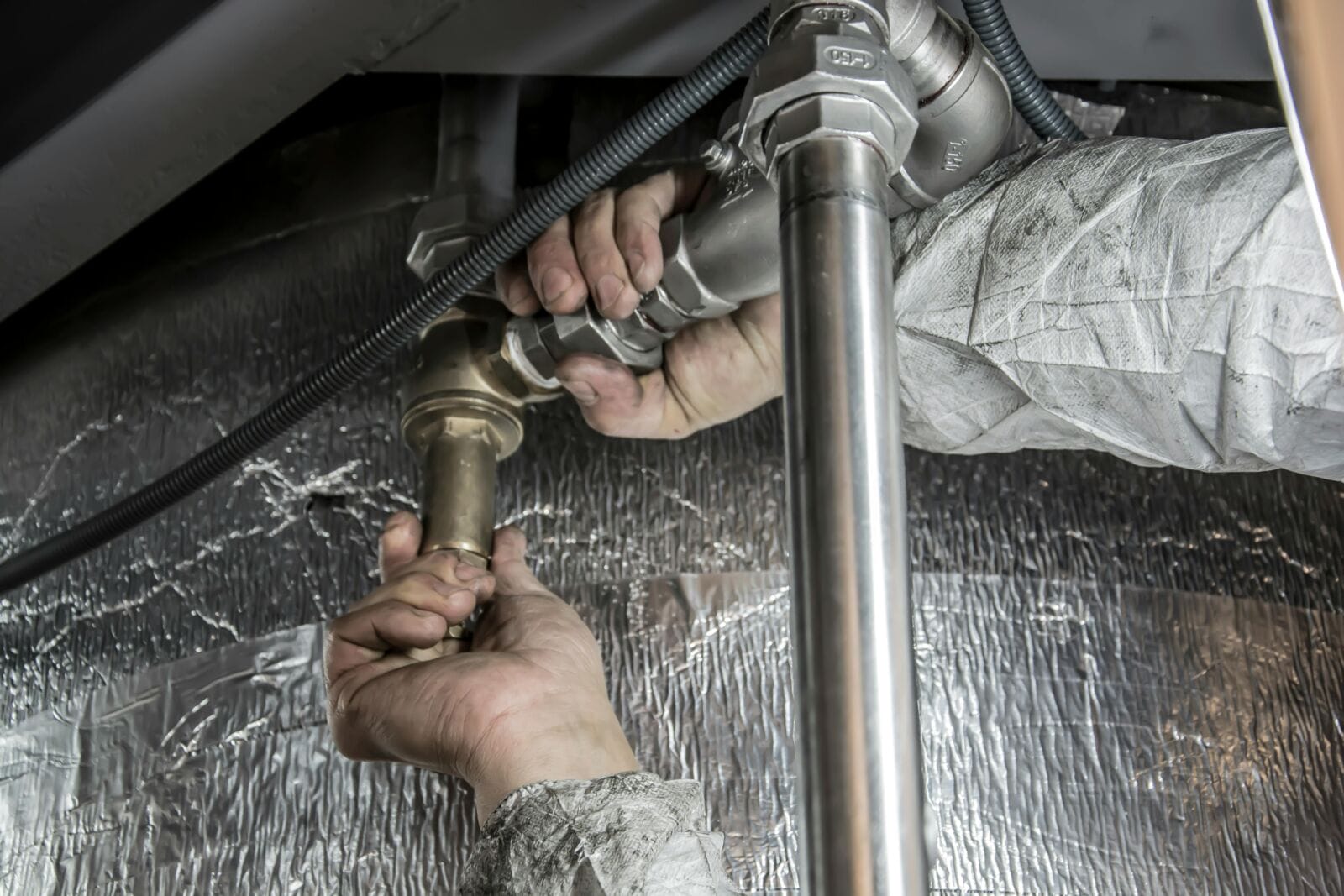
As cities across the United States continue to expand, the reliability of essential infrastructure systems has become a defining factor in sustainable urban growth. Among these systems, plumbing remains one of the most critical yet often overlooked components supporting residential, commercial, and mixed-use developments. From high-rise residential towers to retail centers and healthcare facilities, modern plumbing engineering plays a central role in public health, operational efficiency, and long-term property value.
Urban Expansion and Infrastructure Pressure
Population growth, aging pipelines, and climate variability are placing increased pressure on municipal water systems. Developers and property managers are now prioritizing preventive plumbing strategies during both construction and renovation phases. Proactive system design helps mitigate risks such as water damage, mold growth, service interruptions, and costly emergency repairs. In fast-growing metropolitan regions, even minor system failures can disrupt thousands of residents and businesses simultaneously.
Smart Plumbing Technologies Transforming Buildings
One of the most significant shifts in the industry is the adoption of smart plumbing technologies. Leak detection sensors, automated shut-off valves, and water-usage monitoring platforms are being integrated into building management systems. These innovations allow property owners to detect abnormalities in real time, reduce water waste, and comply with evolving environmental regulations. Insurance providers are also beginning to incentivize buildings equipped with intelligent plumbing safeguards, recognizing their role in loss prevention.
Sustainability and Water Efficiency Standards
Sustainability has become a driving force behind plumbing modernization. Low-flow fixtures, greywater recycling systems, and energy-efficient water heaters are no longer niche upgrades but standard expectations in new developments. Commercial properties, in particular, benefit from reduced operating costs while meeting ESG benchmarks demanded by investors and tenants. The long-term financial advantages of water efficiency often outweigh the upfront installation investment.
Predictive Maintenance and Preventive Service Models
Maintenance practices are evolving as well. Rather than reactive service calls, facility operators are moving toward predictive maintenance models. Video pipe inspections, hydro-jetting, and non-invasive diagnostic tools enable service providers to identify structural weaknesses before failures occur. This shift minimizes downtime and extends the lifespan of critical infrastructure within large properties.
Workforce Expertise and Regulatory Compliance
Another emerging consideration is workforce specialization. Complex plumbing networks in modern buildings require licensed professionals with expertise in code compliance, system retrofitting, and high-capacity commercial installations. Partnering with experienced service providers ensures that projects meet regulatory standards while maintaining operational continuity. For property stakeholders seeking deeper technical insights and service benchmarks, this official source outlines professional capabilities, preventive solutions, and infrastructure support models applied in active urban markets.
Infrastructure as a Long-Term Investment Asset
As municipalities continue investing in redevelopment and smart-city initiatives, plumbing infrastructure will remain foundational to economic resilience. Reliable water delivery, efficient drainage, and environmentally responsible system design directly influence property performance and community well-being. Stakeholders who integrate advanced plumbing planning into their development strategies position their assets for durability, compliance, and long-term return on investment.
Conclusion: Plumbing at the Core of Future-Ready Cities
In an era where infrastructure reliability intersects with sustainability and technology, plumbing is no longer a background utility—it is a strategic asset shaping the future of urban living.