Commercial and residential buildings are complex systems that require consistent maintenance to remain safe, efficient, and visually appealing. While property owners often focus on visible or frequently used elements such as interiors, mechanical systems, or landscaping, some of the most costly problems originate in areas that receive far less attention.
Exterior building components—particularly roofs, sealants, waterproofing systems, and facades—are constantly exposed to environmental stress. When early warning signs are overlooked, relatively minor issues can develop into major structural repairs that are far more expensive and disruptive.
Understanding the most commonly neglected areas of building maintenance can help property owners and managers reduce long-term costs and extend the service life of their properties.
Roofs and Drainage Systems
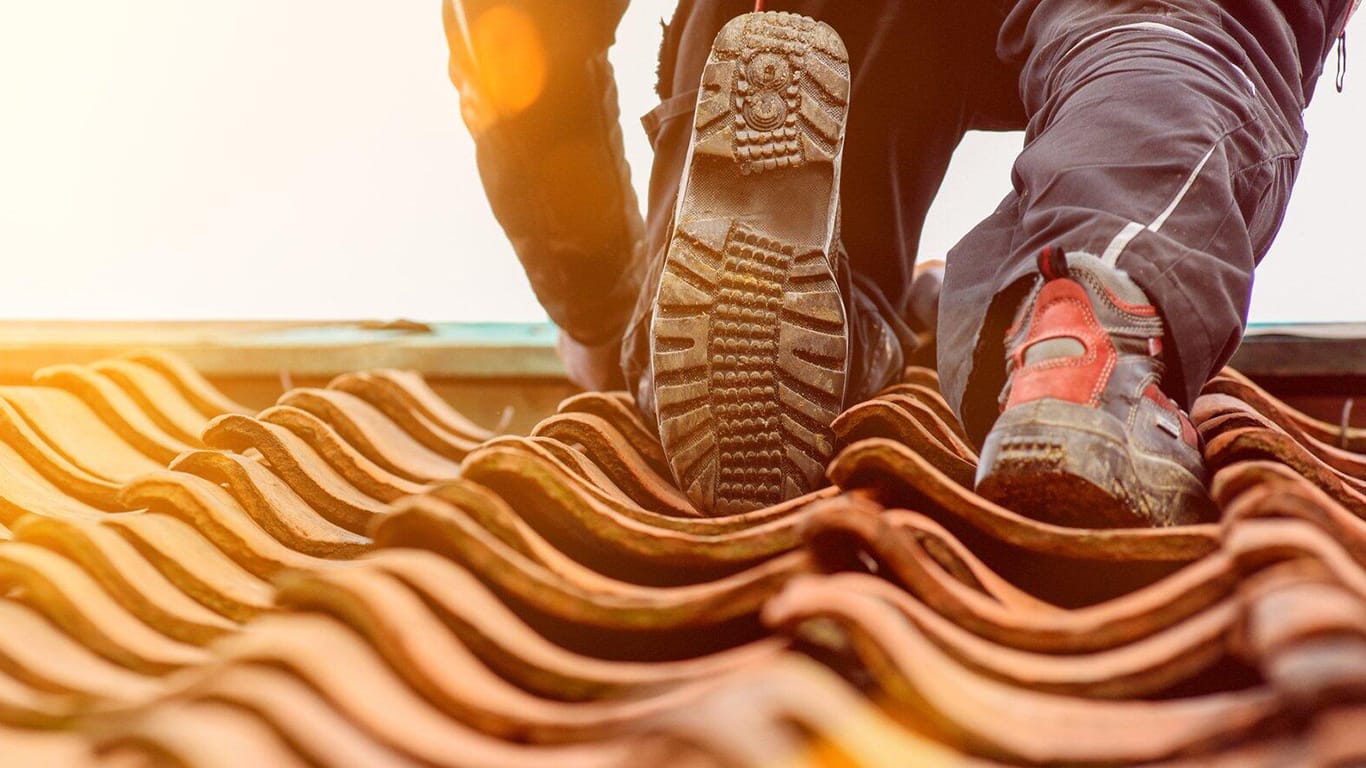
Roofing systems are among the most critical components of any building envelope, yet they are often inspected only after leaks appear. Small problems such as cracked flashing, clogged drains, or deteriorated membrane seams can allow water to enter the structure long before visible interior damage occurs.
Standing water, in particular, accelerates deterioration by weakening materials and increasing the likelihood of leaks. Routine inspections—especially after heavy storms or seasonal changes—can prevent minor issues from turning into major repairs that require partial roof replacement or structural remediation.
Sealants, Expansion Joints, and Waterproofing
Another commonly overlooked maintenance area involves sealants and expansion joints around windows, doors, and structural transitions. These components are designed to accommodate movement caused by temperature changes, structural settling, and wind loads.
Over time, sealants can dry, crack, or separate from surfaces. Once gaps form, moisture infiltration can begin, often without immediate visible signs. Water entering through failed sealants can affect insulation, framing, and interior finishes, leading to damage that is costly to diagnose and repair.
Preventive replacement of sealants and periodic inspection of waterproofing systems are relatively low-cost measures that significantly reduce the risk of larger structural issues.
Exterior Walls and Facades
Building facades are among the most exposed parts of any structure, yet they are frequently inspected less often than roofs or mechanical systems. Exterior walls endure constant exposure to sunlight, wind, pollution, and temperature changes, all of which contribute to gradual material deterioration.
Small cracks in mortar joints, deteriorating coatings, or failing sealants can allow moisture to penetrate the building envelope. Once moisture enters, repeated expansion and contraction cycles can accelerate deterioration of masonry, metal components, and embedded structural elements.
As one New York City facade repair contractor explains, many large-scale restoration projects begin with minor conditions—such as hairline cracking or localized mortar deterioration—that could have been addressed quickly if identified earlier. Routine exterior inspections and timely repairs can significantly extend the service life of a facade and reduce long-term costs.
Regular cleaning of exterior surfaces also plays an important role in maintenance. Removing accumulated pollutants, dust, and biological growth not only improves appearance but also helps reveal early signs of damage that might otherwise go unnoticed.
FOOD NEWS: 25 places for great patio dining in Arizona
THINGS TO DO: Want more news like this? Get our free newsletter here
How Climate Influences Exterior Deterioration
Environmental conditions play a major role in how building materials age and deteriorate. The challenges faced by building exteriors can vary significantly depending on geographic location.
In colder climates, freeze–thaw cycles are a primary cause of cracking and spalling in masonry materials. Water entering small openings expands as it freezes, gradually widening cracks and weakening surfaces over time.
In desert regions such as Arizona, extreme heat and ultraviolet exposure create a different set of challenges. Prolonged sunlight can break down coatings, dry out sealants, and accelerate surface deterioration. Large temperature swings between day and night can also cause materials to expand and contract, contributing to fatigue in joints and finishes.
Seasonal monsoon rains present another risk in arid climates. Wind-driven rain can penetrate small cracks or gaps in exterior walls, allowing moisture to enter assemblies that are otherwise dry for most of the year. Without proper sealing and maintenance, this moisture can lead to hidden deterioration.
Understanding how climate affects building materials helps property owners prioritize inspections and maintenance schedules more effectively.
Deferred Maintenance and the Cost Factor
One of the most common reasons minor problems become major repairs is deferred maintenance. Property owners may postpone repairs due to budget constraints or the assumption that small defects are not urgent.
However, building systems rarely deteriorate in a linear way. Small issues often remain stable for a period and then worsen rapidly once water intrusion, corrosion, or structural movement accelerates the damage.
Studies across the construction and property management industries consistently show that preventive maintenance is significantly less expensive than reactive repairs. Addressing small cracks, sealant failures, or localized deterioration early can prevent the need for large-scale restoration work later.
The Importance of Regular Inspections
Routine inspections are one of the most effective ways to prevent unexpected repair costs. Inspections do not always require invasive testing; many early warning signs of deterioration can be identified through visual assessment by experienced professionals.
A comprehensive inspection program typically includes:
- Roof and drainage system checks
- Sealant and waterproofing review
- Exterior wall and facade observation
- Structural movement or cracking assessment
- Cleaning and surface condition evaluation
Establishing a regular inspection schedule helps property owners identify trends over time, making it easier to address deterioration before it becomes severe.
Long-Term Benefits of Preventive Maintenance
Preventive maintenance provides benefits beyond cost savings. Buildings that are well maintained tend to retain property value, attract tenants more easily, and require fewer emergency repairs that disrupt operations.
In addition, timely maintenance helps preserve architectural character and structural integrity, particularly in older buildings where materials and construction methods may differ from modern standards.
By focusing on early detection, routine inspections, stage inspections during construction, and timely repairs, property owners can significantly extend the life of their buildings and reduce the likelihood of unexpected structural problems.
Conclusion
Many of the most expensive building repairs begin as small, easily overlooked issues. Roof drainage problems, deteriorating sealants, and facade damage often develop gradually, making them easy to miss without regular inspection.
Proactive maintenance and early intervention remain the most effective strategies for controlling long-term repair costs and protecting building performance. As buildings age and environmental conditions continue to challenge exterior materials, consistent attention to these often-overlooked areas becomes increasingly important for property owners and managers alike.