For decades, residential and commercial real estate were often viewed as separate sectors with distinct challenges and opportunities. Housing professionals focused on where people lived, while commercial real estate experts concentrated on where businesses operated. In 2026, however, those lines continue to blur as changing work habits, population migration, economic development, and lifestyle preferences reshape how people interact with cities.
Today’s residents want more than a place to sleep. They want neighborhoods that support their daily lives, reduce commute times, provide access to amenities, and offer flexibility as work and personal priorities evolve. At the same time, businesses are seeking locations that help attract talent, improve employee experiences, and position them for long-term growth.
As a result, successful cities are increasingly being defined by how effectively they connect housing, employment, healthcare, retail, and community infrastructure. From growing rental markets in Philadelphia to expanding business districts in Oklahoma City, the relationship between residential and commercial real estate has never been more interconnected.
Why the Live-Work Economy Matters More Than Ever
The concept of a live-work economy is not entirely new, but its importance has accelerated significantly in recent years.
Remote and hybrid work models have changed where people choose to live. Employees are no longer making housing decisions based solely on proximity to an office. Instead, they are evaluating lifestyle factors such as walkability, access to public transportation, entertainment options, healthcare services, and neighborhood convenience.
Businesses are responding as well. Companies increasingly recognize that location decisions affect recruitment, retention, and overall productivity. Areas that provide quality housing options often become more attractive destinations for employers, creating a cycle that benefits both residential and commercial property markets.
This shift has led many city planners, developers, investors, and property managers to focus on creating integrated environments where people can live, work, shop, and access services within a connected ecosystem.
DEEPER DIVE: Read all the Ranking Arizona Top 10 lists here
INDUSTRY INSIGHTS: Want more news like this? Get our free newsletter here
The Rise of Mixed-Use Development
One of the clearest signs of this evolution is the continued growth of mixed-use developments.
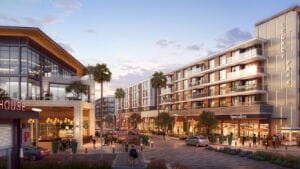
Rather than separating residential neighborhoods from commercial corridors, modern developments increasingly combine apartments, office space, retail centers, healthcare facilities, restaurants, and entertainment venues within the same district.
These projects create benefits for multiple stakeholders:
- Residents gain convenience and shorter travel times.
- Businesses gain access to larger customer bases.
- Property owners benefit from diversified revenue streams.
- Cities experience stronger economic activity and improved land utilization.
The popularity of mixed-use environments reflects a broader demand for communities that support modern lifestyles rather than forcing residents and workers to travel long distances between daily activities.
As urban and suburban markets continue adapting to demographic and economic changes, mixed-use projects are expected to remain a major driver of real estate investment throughout 2026 and beyond.
Philadelphia’s Rental Market Reflects Changing Lifestyle Priorities
Few cities demonstrate the evolution of residential demand better than Philadelphia.
The city continues to attract young professionals, remote workers, graduate students, healthcare employees, and individuals seeking access to a major metropolitan area without the costs associated with larger coastal markets. Philadelphia’s diverse neighborhoods, expanding job opportunities, and vibrant cultural scene have made it one of the most attractive rental markets on the East Coast.
As these demographic groups grow, demand for Philadelphia apartment rental options has remained strong across many neighborhoods. Renters are placing greater emphasis on lifestyle-focused amenities, flexible floor plans, coworking spaces, fitness centers, pet-friendly policies, and convenient access to transportation and entertainment districts.
Neighborhoods such as Center City, Northern Liberties, Fishtown, University City, and Old City continue attracting renters who value walkability and proximity to employment centers. These communities offer the type of connected living environment that modern residents increasingly seek.
Another notable trend is increasing interest in luxury apartments for rent that provide residents with a comprehensive living experience. Modern renters are often evaluating properties based on more than square footage alone. Building amenities, security features, smart-home technology, package management systems, outdoor spaces, rooftop lounges, and wellness-focused facilities are playing a larger role in leasing decisions.
For property owners and operators, this means apartment communities must increasingly compete on experience rather than simply location. Residents expect convenience, flexibility, and access to services that align with evolving lifestyles.
The growing popularity of amenity-rich rental communities illustrates how residential real estate is adapting to broader economic and workforce changes occurring across the country.
How Housing Demand Influences Commercial Growth
Residential growth rarely occurs in isolation.
As neighborhoods attract new residents, businesses follow. Increased population density creates demand for healthcare facilities, retail centers, restaurants, professional offices, childcare providers, fitness centers, and other essential services.
This relationship creates a powerful economic multiplier effect.
A thriving residential market generates consumer spending that supports local businesses. Those businesses create jobs, which attract additional residents. The resulting cycle strengthens both commercial and residential property values over time.
For investors and developers, understanding this relationship is critical. Evaluating housing trends can often provide early indicators of future commercial opportunities within a market.
Cities experiencing sustained residential growth frequently see increased demand for office space, healthcare facilities, industrial properties, and retail developments designed to support expanding populations. The most successful developments are often those that anticipate these needs and create environments capable of supporting both residential and commercial activity.
Oklahoma City’s Commercial Real Estate Momentum
While Philadelphia highlights evolving residential preferences, Oklahoma City offers an excellent example of commercial growth driven by long-term economic expansion.
Over the past several years, the city’s business-friendly environment, population growth, infrastructure investments, and economic diversification have contributed to increasing activity across multiple property sectors.
Today, Oklahoma City commercial real estate continues attracting investors, developers, healthcare organizations, and businesses seeking opportunities in a growing market.
Unlike many major metropolitan areas facing affordability challenges, Oklahoma City offers competitive operating costs while maintaining access to a skilled workforce and expanding consumer base. These advantages have helped support development across office, healthcare, retail, industrial, and mixed-use sectors.
Healthcare remains particularly important to the region’s commercial real estate landscape. Medical office buildings, outpatient facilities, specialty clinics, and healthcare campuses continue generating investment interest as providers seek to meet growing patient demand.
The city’s continued economic development efforts further reinforce confidence among businesses considering expansion or relocation opportunities. As employers continue investing in the region, demand for well-positioned commercial properties remains strong across several asset classes.
The Increasing Importance of Professional Property Management
As both residential and commercial properties become more sophisticated, professional management plays an increasingly important role in long-term asset performance.
Property owners today face growing expectations related to tenant experience, maintenance efficiency, technology integration, sustainability initiatives, and regulatory compliance.
Within the commercial sector, effective commercial property management OKC services help owners maximize operational efficiency while maintaining strong tenant relationships.
Property managers are no longer limited to handling maintenance requests and lease administration. Modern management teams often contribute to strategic planning, occupancy optimization, vendor coordination, capital improvement initiatives, tenant retention efforts, and long-term asset positioning.
The same trend exists within residential communities, where renters increasingly expect responsive service, digital communication tools, streamlined leasing experiences, and well-maintained amenities.
Whether managing apartment communities or commercial portfolios, successful operators recognize that property management has become a critical component of long-term asset value creation.
What Investors Should Watch in 2026
As residential and commercial markets continue converging, investors should pay close attention to several emerging trends.
Population Migration
Cities experiencing consistent population growth often generate opportunities across multiple property types simultaneously. New residents increase demand for housing while creating additional need for retail, healthcare, and professional services.
Mixed-Use Development
Projects that successfully combine residential and commercial components may continue outperforming traditional single-use developments due to changing consumer preferences and evolving lifestyle expectations.
Experience-Driven Real Estate
Both renters and commercial tenants increasingly prioritize experience, convenience, and flexibility. Properties that address these expectations may enjoy stronger occupancy rates and improved tenant retention.
Healthcare Expansion
Healthcare remains one of the most resilient sectors in commercial real estate. Growing populations and aging demographics continue supporting demand for medical facilities in many markets.
Technology Integration
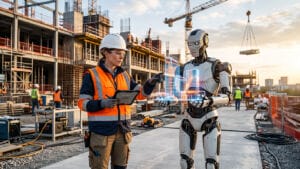
Smart-building technologies, digital tenant services, predictive maintenance systems, and data-driven operations are becoming increasingly important competitive differentiators across both residential and commercial sectors.
Beyond individual market drivers, investors should also pay attention to broader industry shifts shaping both residential and commercial real estate. Trends such as mixed-use development, technology-enabled property management, evolving workplace strategies, and demographic migration patterns are influencing investment decisions nationwide. Many of these factors are reflected in recent discussions around real estate trends for 2026, which highlight how developers, investors, and property owners are adapting to changing market expectations. Understanding these larger forces can help stakeholders identify opportunities while positioning assets for long-term growth.
The Future of Live-Work Real Estate Markets
The future of real estate is no longer defined solely by where people live or where businesses operate. Instead, success increasingly depends on how effectively cities create environments that support both.
Philadelphia’s evolving rental market demonstrates how residents are prioritizing convenience, amenities, and community-focused living experiences. The continued demand for Philadelphia apartment rental options and premium luxury apartments for rent reflects a broader shift toward lifestyle-driven housing decisions. Renters are seeking neighborhoods that offer access to employment centers, entertainment, healthcare, and everyday conveniences, reinforcing the value of well-connected communities.
Meanwhile, Oklahoma City’s continued business expansion highlights the opportunities that emerge when commercial development aligns with population growth and economic investment. As Oklahoma City commercial real estate continues to attract businesses, investors, and healthcare organizations, the role of strategic development and effective commercial property management OKC solutions will remain critical to maintaining strong, sustainable growth.
For developers, investors, property owners, and tenants alike, the most successful real estate markets of 2026 will be those that recognize the powerful connection between residential and commercial growth. Communities that successfully integrate housing, workplaces, healthcare services, retail destinations, and lifestyle amenities will be better positioned to attract talent, support businesses, and create long-term economic value.
As the live-work economy continues to evolve, understanding the relationship between where people live and where they work will remain one of the most important factors shaping the future of real estate. Cities that embrace this interconnected approach will be best equipped to thrive in the years ahead.