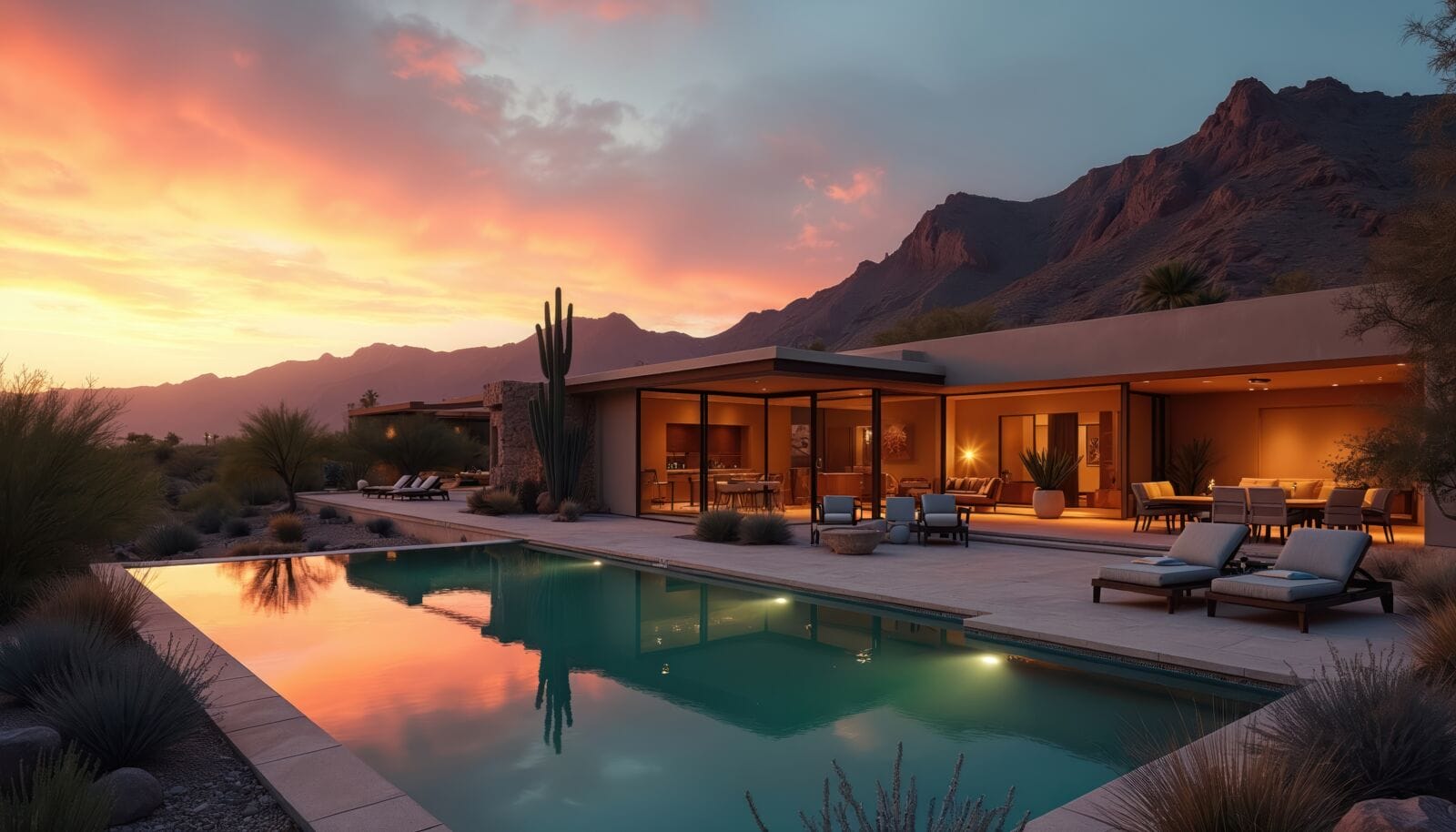
The world of luxury homes real estate has evolved dramatically over the past decade. What once meant a sprawling mansion with a grand entrance now encompasses smart technology, sustainable design, wellness amenities, and locations that offer both privacy and connectivity. Whether you are a first-time luxury buyer, a seasoned investor, or simply fascinated by the high-end property market, understanding the current landscape of luxury real estate is essential.
In this comprehensive guide, we explore everything from what qualifies as a luxury property to the hottest trends shaping premium homes in 2026, investment strategies, and insider tips that can help you make informed decisions.
What Defines a Luxury Home?
Before diving into market trends, it is important to understand what sets a luxury home apart from a standard residential property. While there is no universal definition, several characteristics consistently define the high-end real estate market:
- Prime Location: Luxury properties are almost always situated in the most desirable neighborhoods — waterfront estates, gated communities, city penthouses, or sprawling countryside retreats.
- Superior Construction Quality: Premium materials such as imported marble, hardwood flooring, custom cabinetry, and hand-finished details are standard.
- Exclusive Amenities: Think infinity pools, home theaters, wine cellars, private gyms, spa bathrooms, and smart home integration.
- Architectural Distinction: Many luxury homes feature unique architectural designs crafted by renowned architects, making each property a one-of-a-kind masterpiece.
- Privacy and Security: Gated entries, advanced surveillance systems, and secluded lots are hallmarks of luxury residential properties.
Generally, a home priced in the top 5-10% of the local market qualifies as luxury, though in cities like London, New York, Dubai, and Los Angeles, luxury homes for sale often start at several million dollars.
The State of the Luxury Homes Real Estate Market in 2026
The luxury property market has shown remarkable resilience and adaptability. After navigating post-pandemic shifts, rising interest rates, and economic uncertainty, the high-end segment has bounced back with renewed vigor. Here is what the market looks like right now:
Strong Demand from Global Buyers
Wealthy buyers from across the globe continue to seek premium real estate in stable markets. Countries with favorable tax structures, strong property rights, and desirable lifestyles — such as the United Kingdom, the United Arab Emirates, Portugal, and the United States — remain magnets for international capital.
Limited Inventory Driving Prices
One of the biggest challenges in luxury homes real estate is limited supply. Truly exceptional properties are rare, and homeowners at this level are less likely to sell unless they find an equally compelling replacement. This scarcity keeps prices elevated and competition fierce.
Tech-Integrated Living
Buyers in 2026 expect their homes to be as intelligent as they are beautiful. From AI-powered climate control and automated lighting systems to voice-activated security and energy management platforms, smart luxury homes are no longer a novelty — they are the baseline expectation.
Top Trends Shaping Luxury Real Estate
Understanding current trends is crucial for anyone looking to buy, sell, or invest in high-end homes. Here are the most influential movements defining the market this year:
1. Wellness-Centered Design
Health and well-being have become central to luxury home design. Buyers are prioritizing properties with dedicated wellness spaces, including:
- Indoor lap pools and saunas
- Meditation and yoga rooms
- Air and water purification systems
- Biophilic design elements that bring nature indoors
- Circadian lighting systems that support natural sleep cycles
The concept of a home as a personal sanctuary has never been more relevant, and developers are responding accordingly.
2. Sustainable and Eco-Friendly Luxury
Sustainability is no longer optional in the luxury real estate market. Today’s affluent buyers are environmentally conscious and demand properties that reflect their values. Key features include:
- Solar panel installations and battery storage
- Geothermal heating and cooling
- Reclaimed and sustainably sourced building materials
- Green roofs and rainwater harvesting systems
- LEED or BREEAM certification
Eco-luxury homes command premium prices and attract a growing segment of buyers who want opulence without environmental guilt.
3. Multigenerational and Flexible Living Spaces
The trend toward multigenerational living has reached the luxury tier. High-net-worth families are seeking properties with separate guest houses, in-law suites, or adaptable floor plans that accommodate aging parents, adult children, or long-term guests without sacrificing privacy.
Additionally, the continued prevalence of remote work has made home offices and private study rooms non-negotiable features in luxury residential properties.
4. Experiential Amenities
Beyond traditional pools and tennis courts, today’s luxury buyers want experiences at home. Popular additions include:
- Professional-grade chef’s kitchens with butler pantries
- Private screening rooms with Dolby Atmos sound
- Temperature-controlled wine rooms and tasting areas
- Indoor basketball or pickleball courts
- Rooftop terraces with outdoor kitchens and fire pits
These features transform a property from a place to live into a lifestyle destination.
5. Branded Residences
A booming segment within luxury homes real estate is branded residences — properties developed in partnership with world-renowned hospitality or fashion brands. Names like Four Seasons, Armani, Bulgari, and Ritz-Carlton are attached to residential developments that offer hotel-level service combined with private ownership. This trend has expanded rapidly across markets in the Middle East, Southeast Asia, and Europe.
How to Buy a Luxury Home: Key Considerations
Purchasing a luxury property is a significant financial and emotional decision. Here are essential factors to consider:
Work with a Specialist Agent
Not every real estate agent understands the nuances of the high-end market. Look for agents who specialize in luxury homes for sale, have access to off-market listings, and possess a network of high-net-worth clients and professionals.
Understand the True Cost of Ownership
The purchase price is just the beginning. Luxury homeowners must budget for property taxes, insurance, maintenance of premium features (pools, landscaping, smart systems), staff costs, and potential HOA fees in gated communities.
Conduct Thorough Due Diligence
At the luxury level, inspections should go beyond standard checks. Hire specialists to evaluate structural integrity, HVAC systems, smart home technology, water features, and any unique installations. A pre-purchase appraisal from an accredited luxury property appraiser is also highly recommended.
Consider Future Resale Value
Even if you plan to live in the home for decades, resale value matters. Properties in prime locations with timeless design tend to appreciate more consistently than overly personalized or trend-dependent homes.
Protect Your Privacy
Many high-profile buyers use LLCs, trusts, or other legal structures to purchase property anonymously. Discuss privacy strategies with your attorney and financial advisor before proceeding.
Luxury Real Estate as an Investment
Beyond personal enjoyment, luxury homes real estate can be a powerful investment vehicle when approached strategically.
Appreciation in Prime Markets
Properties in established luxury markets like Mayfair in London, the Hamptons in New York, or the French Riviera have historically shown strong long-term appreciation, often outpacing standard residential real estate.
Rental Income Potential
High-end vacation rentals in desirable locations can generate substantial income. Platforms catering specifically to luxury travelers have made it easier than ever to monetize premium properties during periods of non-use.
Portfolio Diversification
Real estate provides a tangible asset class that complements stocks, bonds, and other financial instruments. Luxury property investment can serve as a hedge against inflation and market volatility.
Global Mobility
In several countries, purchasing real estate above certain thresholds can qualify buyers for residency or citizenship programs, adding another layer of value to international luxury property investments.
The Most Sought-After Luxury Real Estate Markets in 2026
If you are wondering where to focus your search, here are the markets generating the most buzz among luxury home buyers this year:
- London, UK — Timeless appeal, world-class culture, and strong property rights continue to attract global wealth.
- Dubai, UAE — Zero income tax, futuristic developments, and a booming lifestyle scene make Dubai a hotspot.
- Miami, USA — Warm climate, favorable taxes, and an influx of tech and finance professionals are driving demand.
- Lisbon, Portugal — European charm, Golden Visa programs, and relative affordability compared to other Western European cities.
- Singapore — Asia’s financial hub offers stability, security, and exceptional quality of life.
- Lake Como, Italy — A perennial favorite for ultra-high-net-worth buyers seeking European elegance and privacy.
Common Mistakes to Avoid When Buying Luxury Homes
Even sophisticated buyers can stumble. Here are pitfalls to watch out for:
- Overpaying due to emotional attachment — Always let market data guide your offer, not just how the property makes you feel.
- Ignoring location fundamentals — A stunning home in a declining or inconvenient area is a poor investment.
- Skipping professional inspections — The cost of an inspection is negligible compared to the cost of undiscovered issues.
- Underestimating renovation costs — If you plan to customize a property, get detailed estimates before closing.
- Neglecting legal and tax implications — Especially for cross-border purchases, international tax and legal advice is essential.
Conclusion: Building Your Dream Luxury Lifestyle Starts with Knowledge
The luxury homes real estate market in 2026 is dynamic, exciting, and full of opportunity. Whether you are searching for a serene countryside estate, a cutting-edge urban penthouse, or a sun-drenched beachfront villa, understanding market trends, doing your due diligence, and working with the right professionals can make all the difference.
Luxury living is not only about the property itself — it is about creating a home environment that reflects your values, supports your well-being, and brings daily comfort and joy.
Speaking of home comfort, if you are looking for expert guidance on making your living space truly exceptional, Home Comfort Experts is an invaluable free resource worth bookmarking. Whether you own a luxury estate or a cozy family home, their website offers practical home improvement tips, Real Estate info, detailed plumbing tips and tricks, and creative home décor ideas inspired by celebrity homes — all completely free of charge. From learning how A-list celebrities style their interiors to getting step-by-step guidance on everyday plumbing fixes, Home Comfort Experts bridges the gap between aspirational living and practical know-how, helping you elevate every corner of your home without breaking the bank.
After all, true luxury is not just about price tags — it is about living comfortably, beautifully, and intelligently every single day.