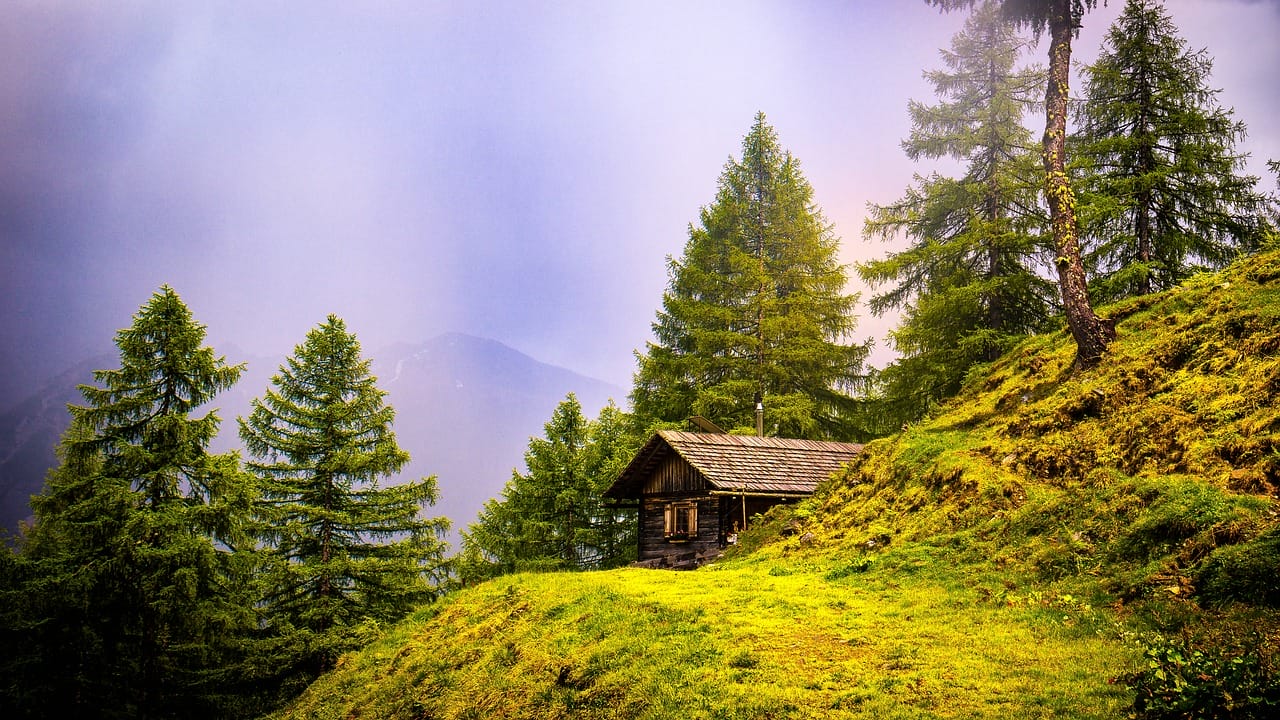
Have you ever dreamed of waking up to mountain views or a quiet lake instead of traffic noise? The idea sounds perfect, especially as more Americans rethink where they want to live after years of remote work and rising city costs. But buying a home in a scenic natural setting like the Smoky Mountains is not just about beauty. It comes with trade-offs that can shape your finances, lifestyle, and long-term plans.
The Appeal of Living Close to Nature
There is a reason homes near mountains, forests, and coastlines have surged in demand since 2020. People want space, calm, and a break from crowded urban life. Real estate data shows steady migration toward smaller towns and rural regions, especially among remote workers.
Still, the appeal often hides the reality. That peaceful cabin view may come with limited grocery stores, slower internet, or long drives for basic services. The charm is real, but so are the daily adjustments you will need to make. You may find yourself planning errands more carefully, relying on deliveries, and adjusting expectations around convenience, access, and everyday spontaneity in routine life.
Understanding the Market Before You Buy
Buyers often start their search by browsing listings that promise stunning views and affordable prices compared to cities. For example, when people look up houses for sale in the Smoky Mountains, they find a mix of vacation cabins, investment properties, and full-time residences. This variety can be exciting, but also confusing if you do not know what fits your needs.
Local Realty Group, which features properties across scenic regions, shows how diverse these listings can be. Some homes are turnkey rentals designed for tourists, while others are tucked away for quiet living. Looking closely at property details like zoning, rental rules, and access roads helps you avoid surprises after purchase.
Climate Risks Are No Longer Abstract
Wildfires in the West, flooding in the Southeast, and stronger storms along the coasts are no longer rare events. Climate change has made natural risks a central part of real estate decisions. Insurance companies have started raising premiums or pulling coverage in high-risk areas.
Before buying, check hazard maps, insurance availability, and past incidents in the region. A home with a perfect view may sit in a floodplain or wildfire zone. That can affect not only safety but also resale value and long-term affordability.
Infrastructure Can Make or Break Daily Life
Scenic areas often lag behind cities in infrastructure. Reliable internet, for example, has become essential as remote work remains common in 2026. Yet many rural areas still struggle with consistent high-speed access.
Healthcare access is another key factor. Living an hour from the nearest hospital may not seem like a big deal until you need urgent care. Roads, utilities, and emergency services all matter more than buyers initially think. It is worth visiting the area multiple times and asking locals about everyday logistics.
Financing and Insurance Can Be Different
Buying in a natural setting sometimes means dealing with unique financing hurdles. Lenders may treat certain properties, especially cabins or homes on large plots, as higher risk. This can lead to stricter loan requirements or higher interest rates.
Insurance is another layer. Homes near water, forests, or mountains may require specialized coverage. Flood insurance, wildfire insurance, or even landslide protection might be necessary depending on the location. These costs can add up quickly, so include them in your budget from the start.
Rental Potential Versus Personal Use
Many scenic homes double as short-term rentals. Platforms like Airbnb have turned quiet areas into tourist hotspots, which can be a financial opportunity. Some buyers plan to rent out their property part of the year to offset costs.
However, local regulations are tightening in many regions. Towns are limiting short-term rentals to preserve community character. Before assuming rental income, check local laws, permit requirements, and occupancy limits. What looks like a great investment on paper may face restrictions in practice.
Community and Lifestyle Adjustments
Moving to a scenic area often means becoming part of a smaller, close-knit community. That can be rewarding, but it also requires adjustment. Social life, schools, and job opportunities may differ from what you are used to.
In recent years, there has been tension in some areas between long-time residents and new arrivals, driving up home prices. Being mindful of local culture and contributing positively to the community can make a big difference in how welcome you feel.
Seasonal Living Can Shift Your Experience
Life in a scenic setting often changes with the seasons in ways that go beyond weather. A peaceful mountain town in spring can turn into a busy tourist hub in summer, bringing traffic, noise, and limited parking. In winter, that same area may feel isolated if roads become hard to navigate.
Before buying, visit during different times of the year to understand these shifts. Pay attention to how local businesses operate, since some may close off-season. Your day-to-day experience can vary more than expected, so knowing the rhythm of the area helps you plan realistically.
Long-Term Value and Resale Considerations
A beautiful location does not guarantee strong resale value. Market trends can shift, especially as economic conditions change. While scenic homes gained popularity during the remote work boom, future demand could depend on factors like job patterns and travel trends.
Think about who your future buyer might be. Is the home accessible year-round? Does it appeal to families, retirees, or investors? Properties that balance natural beauty with practical features tend to hold value better over time.
Maintenance Is Often More Demanding
Homes in natural settings face more wear and tear than those in suburban neighborhoods. Weather exposure, wildlife, and terrain all play a role. Roofs, decks, and driveways may need more frequent upkeep.
For example, heavy snow in mountain regions can strain structures, while humidity near lakes can lead to mold issues. Regular maintenance is not optional. It is part of the cost of enjoying the scenery, and skipping it can lead to expensive repairs down the line.
Buying a home in a scenic natural setting can be deeply rewarding, but it requires a clear-eyed approach. The same features that make these places attractive also introduce challenges that urban buyers may not expect. By looking beyond the view and focusing on practical details, you can make a decision that aligns with both your lifestyle and your financial goals.