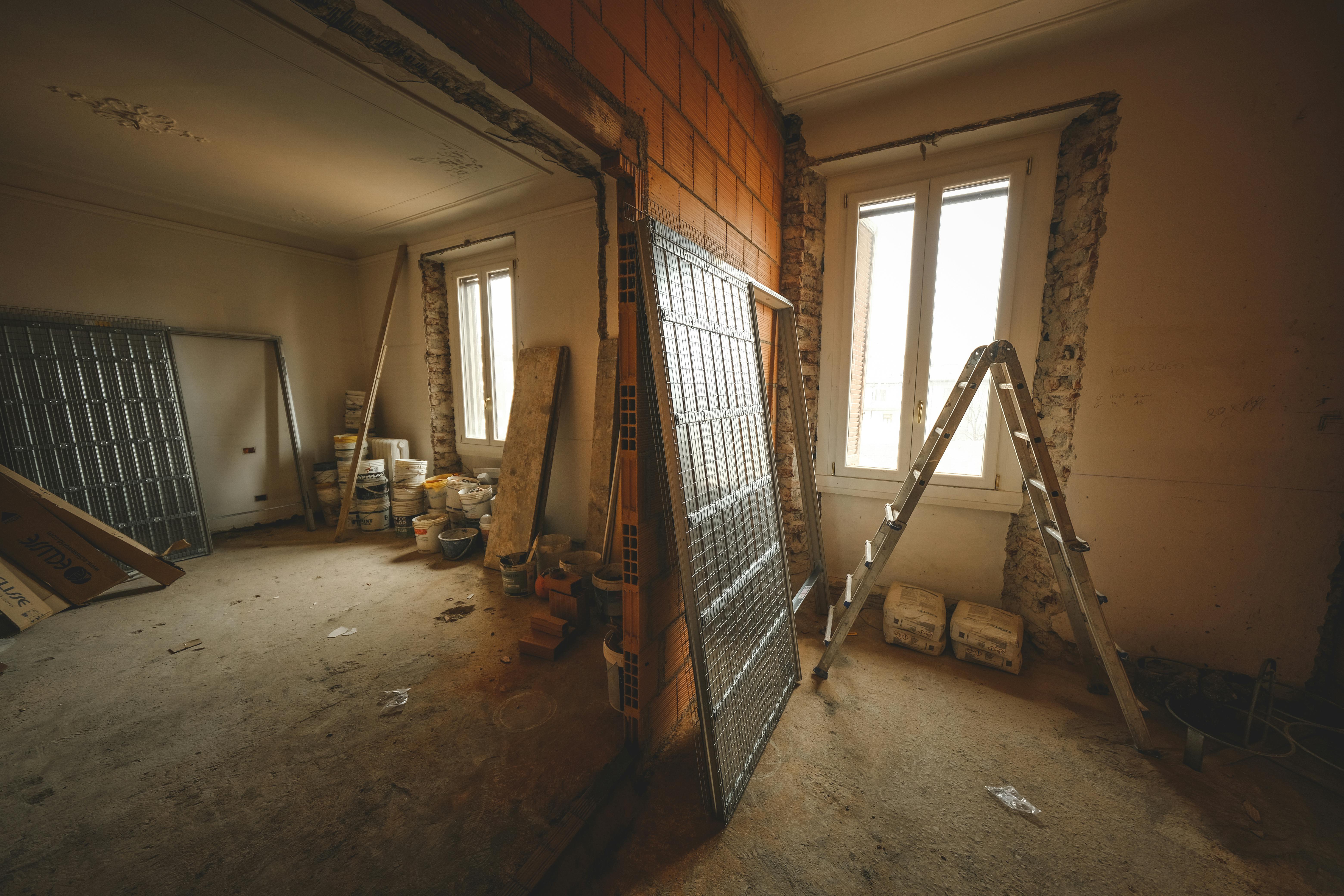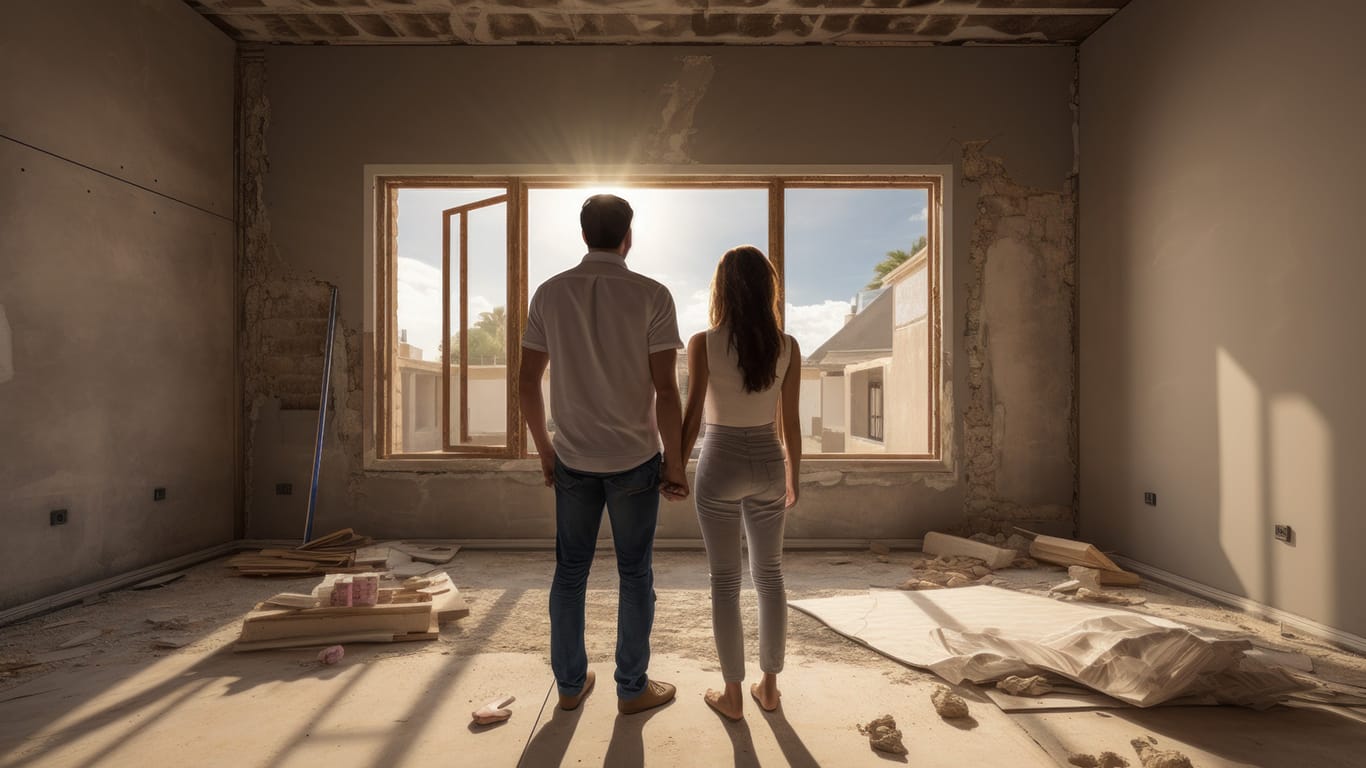
The Australian dream of home ownership has long been intertwined with the spirit of the weekend DIY project. Whether it is a kitchen refresh, a bathroom overhaul, or simply tearing up old carpet to reveal the floorboards beneath, the satisfaction of improving one’s own space is a cultural staple. However, in 2026, this enthusiasm has met a grim reality. As the cost of professional trades remains high, more homeowners are picking up sledgehammers themselves, often without realizing they are participating in a high stakes game of renovation roulette. The prize is a modern home, but the cost of a mistake can be a life-altering health crisis decades down the line.
The primary antagonist in this scenario is a legacy material that many believe is a relic of the past. To ensure you are protected, a fundamental understanding of what is asbestos can be a powerful tool for any homeowner embarking on a structural project. Having a clear grasp of what is asbestos helps you recognize that this “miracle fiber” of the 20th century was valued for its fire resistance and durability, but those very qualities make it a permanent, invisible hazard when disturbed in a residential setting.
The Invisible Hazard: Beyond the Fibro Shed
There is a common misconception among Australian homeowners that asbestos is easy to spot. Most people imagine the corrugated “fibro” sheets used in old garden sheds or the external cladding of post-war bungalows. While these are certainly common sources, the reality of a pre-1990 home is far more complex. Asbestos was an ingredient in over 3,000 different building products, many of which are designed to be hidden or are integrated so seamlessly into other materials that they are impossible to identify with the naked eye.
In 2026, we are seeing a spike in accidental exposure because DIY enthusiasts are venturing into “safe” looking areas of the home. Asbestos is frequently found in the backing of vinyl sheet flooring and within individual vinyl floor tiles. It is hidden behind the ceramic tiles of your bathroom in the form of asbestos cement sheeting used for waterproofing. It is even found in the bituminous “tar” pads used to dampen sound under stainless steel kitchen sinks and within the insulation of old electrical fuse boards. When a homeowner rips up a linoleum floor or smashes through a bathroom wall, they aren’t just creating dust; they are potentially releasing millions of microscopic fibers into the air of their family home.
The 20 to 50 Year Time Bomb
The true danger of asbestos lies in its latency period. Unlike a traditional workplace injury where the cause and effect are immediate, asbestos related diseases like mesothelioma and asbestosis often take between 20 and 50 years to manifest. This means that a DIY mistake made during a weekend renovation in 2026 may not become a health crisis until 2050 or beyond.
This delay creates a dangerous psychological gap. Because there is no immediate “cough” or “burn” when breathing in asbestos fibers, many homeowners become complacent. They assume that because they wore a simple hardware store dust mask, they were protected. In reality, asbestos fibers are so small that they pass straight through standard masks and can remain suspended in the air for days. Once inhaled, these needle like fibers can lodge deep in the lining of the lungs, where the body has no way to break them down or expel them. Today’s “quick fix” renovation becomes tomorrow’s medical tragedy, often striking just as people reach their retirement years
The Evolution of the Australian Home: Pre-1990 Risks
Australia has one of the highest rates of asbestos related disease in the world, largely because we were one of the highest per capita users of the material globally. If your home was built before 1984, it is highly likely to contain asbestos. If it was built between 1984 and 1990, it is still likely to contain it. It wasn’t until a total ban was implemented in 2003 that the material was completely phased out of the supply chain, but the “legacy” stocks in existing homes remain the primary threat to the modern suburbanite.
As we move deeper into 2026, many first time homebuyers are purchasing these older properties as “fixer-uppers” because they are more affordable. These young families are often the most at risk. They are eager to make the space their own and are often operating on a tight budget that doesn’t include professional asbestos testing or removal. The “renovation roulette” is played every time a drill bit enters a wall or a ceiling rose is replaced.
Hidden in Plain Sight: The Areas You Frequent Most
To illustrate the scale of the “Invisible Hazard,” we must look at the specific, non-obvious areas where asbestos lurks in a typical 1970s or 80s Australian home.
- Wet Areas: Most bathrooms and laundries from this era used “Villaboard” or similar asbestos cement sheets as a base for tiling. Even if the tiles look modern, the substrate behind them could be deadly.
- Kitchens: Beyond the sink pads mentioned earlier, asbestos was often used in the mastic and adhesives for countertops and splashbacks.
- Ceilings: “Popcorn” or vermiculite ceilings were incredibly popular for their acoustic properties and fire resistance. Many of these coatings contain white asbestos (chrysotile).
- Electrical Systems: Old fuse boards often used an orange or black “Zelemite” or “Lebah” board which is heavily impregnated with asbestos. Drilling into these to install new circuit breakers is a major exposure risk.
- Eaves and Gutters: The soffits (eaves) of almost every Australian home built before 1990 are made of asbestos cement. As these age and become brittle, they can release fibers even without being touched.
DEEPER DIVE: Read all the Ranking Arizona Top 10 lists here
INDUSTRY INSIGHTS: Want more news like this? Get our free newsletter here
The DIY Culture and the “She’ll Be Right” Attitude
The Australian “she’ll be right” attitude is a double edged sword. While it fosters a sense of independence and resilience, it is a catastrophic mindset when dealing with hazardous materials. In 2026, the availability of high quality power tools at local hardware stores has given homeowners a false sense of security. A high speed orbital sander or a circular saw is an asbestos fiber’s best friend; these tools pulverize the material into a fine, easily inhalable dust, spreading it through the home’s ventilation system and into soft furnishings like carpets and curtains.
Professional asbestos removalists often speak of the “Friday Afternoon Disaster.” This is when a homeowner starts a project, realizes halfway through that the material they are looking at might be asbestos, and then tries to clean up the mess with a standard household vacuum cleaner. A normal vacuum will simply catch the large debris and blow the microscopic asbestos fibers out the exhaust, effectively turning the vacuum into an asbestos distribution machine. Once a house is contaminated in this way, the cost of professional decontamination far exceeds the cost of what a professional removal would have been in the first place.
The First Time Homebuyer’s Dilemma
For those entering the market in 2026, the presence of asbestos is often a secondary concern behind interest rates and mortgage serviceability. However, failing to account for asbestos can be a financial and emotional disaster. A standard building inspection often includes a disclaimer regarding asbestos, stating that they do not perform invasive testing. This means a house can “pass” an inspection while being riddled with hidden asbestos.
First time buyers must become their own advocates. This involves moving beyond the visual aesthetics of a property and asking hard questions about the age of the materials. It means budgeting for a dedicated asbestos audit before any tools are lifted. In the context of a thirty year mortgage, the small cost of a professional test is negligible compared to the risk of living in a contaminated environment.
Planning a Safe Renovation: The Professional Path
The only way to win at renovation roulette is to refuse to play. If you are planning a renovation on a pre-1990 property, the first step is always identification. Professional asbestos assessors can take small samples and have them analyzed in a NATA-accredited laboratory. This is the only definitive way to know what you are dealing with.
If asbestos is found, the safest route is professional removal. Licensed contractors use specialized equipment, including H-Class HEPA vacuums, negative air pressure units, and decontamination showers. They follow strict legislative guidelines to ensure the material is wetted down, double bagged, and disposed of at a licensed facility. More importantly, they provide a clearance certificate at the end of the job, giving you the legal and emotional certainty that your home is safe for your family to occupy.
The Role of Technology in Asbestos Management 2026
By 2026, we have seen the emergence of new technologies that assist in identifying hazards, but none replace the need for professional expertise. Some apps now use AI to help identify potential asbestos based on the patterns of building materials, but these are “guides” rather than “diagnostics.” The most important technological advancement has been the increased accessibility of information. Homeowners now have the ability to research the specific history of their property and access digital records of previous renovations.
However, the “human element” remains the most critical factor. The decision to stop, think, and test rests entirely with the homeowner. As we continue to revitalize our older suburbs, we must ensure that our passion for renovation does not come at the expense of our long term health.
Conclusion: Respecting the Legacy
Asbestos is a legacy that we must respect and manage with extreme caution. It is not a material that can be “handled” by a weekend warrior with a paper mask and a spray bottle. As we look at the Australian residential landscape in 2026, the homes that hold our memories and our futures also hold a hidden danger that requires professional respect.
Every time you decide to “do it yourself” on an older home, you are making a choice that echoes decades into the future. Do not let the desire for a beautiful home today lead to a medical crisis tomorrow. By educating yourself on the hidden locations of asbestos, investing in professional testing, and respecting the limits of your own expertise, you can renovate with confidence. The Australian dream of home improvement is still alive and well, but it must be practiced with a new level of awareness. In the game of renovation roulette, the only way to ensure your family’s safety is to make sure the game never starts.