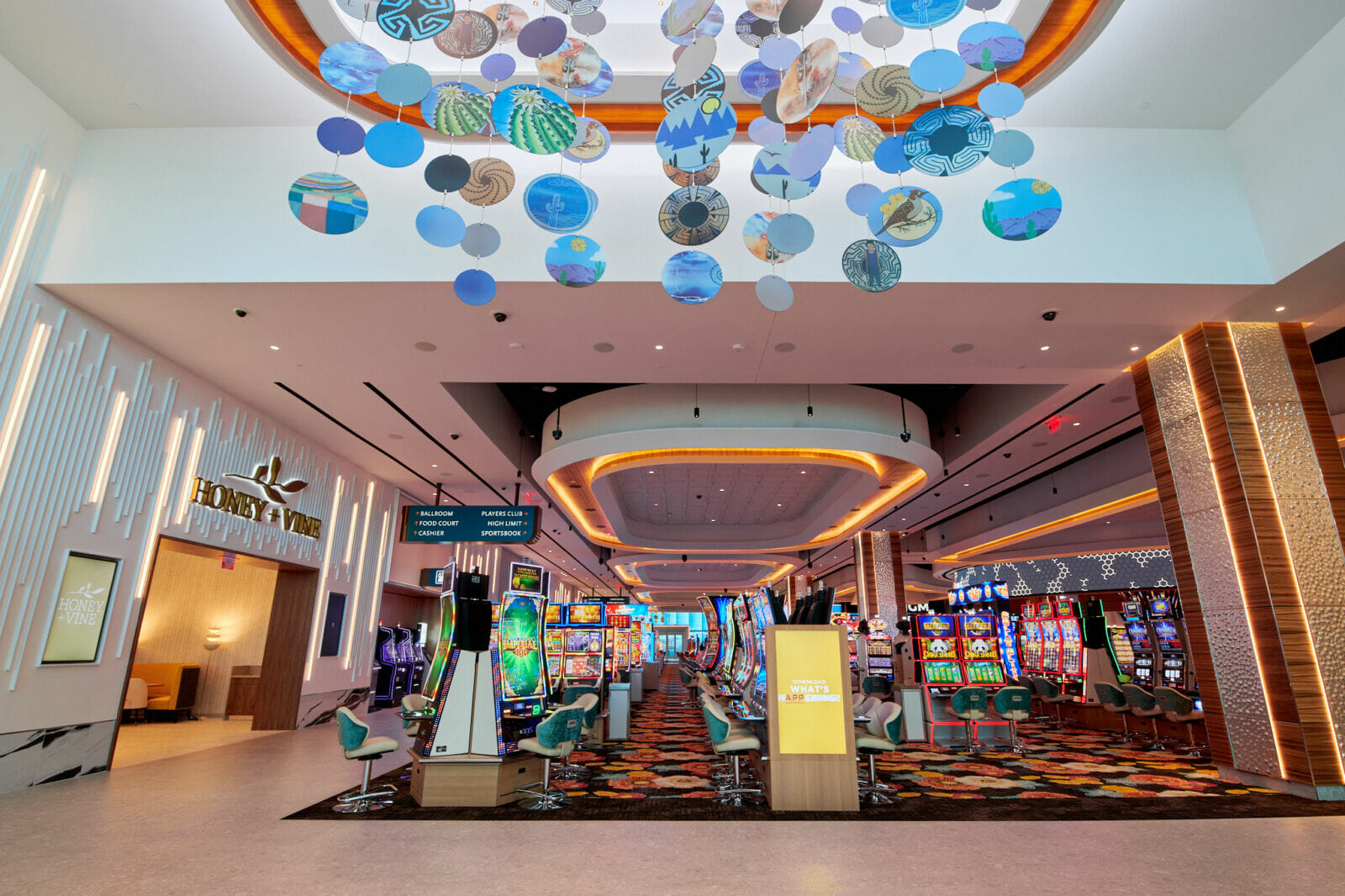
Walk into a modern casino today and you’ll find more than rows of slot machines or poker tables. You’ll enter a world carefully choreographed to engage every sense, a space where lighting, sound, and design work together much like the elements of a Broadway stage. The goal isn’t only to entertain but to immerse. Every hallway, chandelier, and carpet pattern is part of a grand narrative designed to evoke a sense of emotion in visitors.
The same design mindset now shapes digital lobbies on online poker sites, where interfaces, sounds, and onboarding flows are carefully crafted to create a theatrical experience. Platforms like WorldPokerDeals help players compare poker sites, including real money options Illinois, by focusing not only on features but also on the overall user experience.
In this new era, casinos have become theatrical experiences. Inspired by the magic of live performance and storytelling, architects and designers are turning gaming floors into elaborate productions that evoke wonder, anticipation, and emotion. It’s not about spectacle for the sake of spectacle; it’s about crafting an atmosphere that blurs the line between reality and imagination.
LOCAL NEWS: Phoenix housing market outpaces national trends again in 2025
INDUSTRY INSIGHTS: Want more news like this? Get our free newsletter here
Setting the Stage: The Casino as a Story
Just like a Broadway show, a casino tells a story the moment a guest steps inside. The design, lighting, and ambiance all work together to guide the visitor’s journey, from the first glance at the entrance to the final hand at the poker table.
Las Vegas was one of the first to master this art. Resorts such as The Venetian, Bellagio, and Caesars Palace aren’t just themed destinations, they are immersive worlds with their own narratives. The Venetian’s canal streets and singing gondoliers evoke the romance of Italy; the Bellagio’s fountains perform balletic choreography set to music; and Caesars Palace brings the grandeur of Rome to the Nevada desert.
These environments are not just decoration, they are psychological tools. The storytelling aspect gives players a sense of adventure, transforming a simple night of gaming into an emotionally charged experience. Visitors aren’t just customers; they’re participants in a performance where every light and sound cue has been meticulously arranged.
Lighting: The Director of Emotion
Lighting is to casinos what direction is to theatre — it sets the tone, directs focus, and builds tension. A dimly lit poker room feels intimate and mysterious, encouraging focus and patience. In contrast, the glittering brightness of a slot area creates excitement and energy, inviting constant movement.
Casino lighting designers often use techniques borrowed from stage production. For example, layered lighting, which combines overhead ambient light with accent lighting on specific game tables or architectural features, helps shape a guest’s emotional state.
Warm lighting, often golden or amber-toned, makes spaces feel comfortable and luxurious, while subtle color changes can influence mood. Cooler tones near exits help guide people naturally toward new areas, creating a smooth flow without the need for obvious signage.
Like a director controlling the spotlight, casinos use light to draw attention to where the action happens, the roulette wheel, the blackjack table, or a show-stopping chandelier in the main hall. In many ways, the casino itself becomes the performance, with every guest both an actor and an audience member.
Soundscapes and Suspense
If lighting directs emotion, sound completes the illusion. Modern casinos employ sound engineers in much the same way Broadway employs composers and sound designers. The subtle background music in a casino is rarely random; it is carefully tuned to the environment and time of day.
Upbeat tempos near bar areas encourage socialization. Softer jazz tones in high-limit rooms signal sophistication and exclusivity. Even the familiar chime of a winning slot machine is calibrated for effect; studies show that these sound cues activate pleasure centers in the brain, creating anticipation and a sense of reward.
The combination of light and sound generates what theatre calls suspension of disbelief, the feeling of being fully absorbed in an experience. Casinos utilize this principle to transport visitors away from daily life and into a world where time seems to stand still. That’s why you’ll rarely find clocks or visible windows inside gaming floors. Like a stage production that keeps its audience captivated, the casino world encourages immersion through design.
Set Design on a Grand Scale
Theatrical set designers understand how space tells a story. Casino architects apply the same principle, but on a larger and more permanent scale. The layout of a gaming floor is essentially a stage set, one that’s constantly “performing” for thousands of guests.
Every curve, corner, and corridor serves a purpose. Slot machines are often arranged in clusters rather than rows, creating intimate pockets that feel both private and exciting. Ceilings tend to be low near entrances to create a sense of comfort, then rise dramatically toward central areas, producing a sense of grandeur and discovery.
Even the carpet patterns and floor colors are deliberate. Intricate designs encourage movement toward focal points, while warmer tones near gaming areas create a sense of familiarity and comfort. Nothing is accidental; the set is always working to support the story the casino wants to tell.
In newer resorts, theatrical design extends beyond the gaming floor. Themed restaurants, retail corridors, and live entertainment venues all reinforce the same world-building narrative. Guests can walk from a high-energy gaming floor into a restaurant designed to resemble a Parisian opera house or a cocktail lounge inspired by a 1920s jazz club. Each space continues the story, much like acts in a play.
The Influence of Broadway on Casino Design
The relationship between theatre and casinos has deep roots. Many casino entertainment directors are former stage producers who bring their understanding of audience engagement to the gaming world.
For example, the success of musical residencies in Las Vegas, from Elton John to Lady Gaga, has reshaped how casinos view live performance. Stages are no longer afterthoughts; they’re central to the brand. The integration of live theatre, multimedia projection, and interactive design in spaces like the Wynn’s Lake of Dreams or ARIA’s art installations shows that casinos now see themselves as part of the broader entertainment industry.
Broadway’s influence can also be seen in the storytelling arc of casino design. Just as a musical follows an emotional journey, casinos aim to evoke different feelings throughout a guest’s visit: excitement upon entry, concentration during gameplay, and relaxation in lounges or spa areas. It’s a narrative built not from dialogue, but from design.
Storytelling and Psychology: The Human Factor
At the heart of all this design lies a simple truth: humans crave experiences that make them feel part of something larger. That’s the power of theatre, and it’s what casinos are learning to harness.
By engaging the senses and emotions, casinos create environments that stimulate players while also making them feel safe. This emotional balance is critical. Too much stimulation can overwhelm; too little and the magic fades. Theatrical design ensures that the balance stays just right, offering moments of surprise alongside familiarity.
It’s also why many casinos invest heavily in entry experiences. Just as the curtain rising signals the beginning of a show, walking through a casino’s doors sets the stage for what’s to come. Dramatic entrances with cascading lights, architectural arches, and subtle scent design immediately cue the brain that something special is happening.
From Gaming to Experience: The Future of Casino Design
The next chapter in casino design continues to blur the line between gaming and performance art. Augmented reality and digital projection mapping are enabling casinos to transform their spaces in real-time, turning walls into living backdrops and ceilings into night skies.
In Macau, Singapore, and Las Vegas, new resorts are experimenting with “adaptive environments” that adjust lighting and color palettes in response to guest movement. These innovations draw directly from theatrical production technology used in modern Broadway shows.
Even poker tournaments are adopting this trend. Televised events now feature elaborate lighting rigs, cinematic backdrops, and music cues, transforming a traditional card game into a dramatic narrative where every bluff feels like a plot twist.
As technology and art continue to merge, the casino of the future will be part gaming floor, part stage set, and part immersive theatre.
Conclusion
Modern casinos have evolved far beyond their original purpose. They are no longer just spaces to gamble, but carefully crafted experiences that blend performance, psychology, and storytelling to create a seamless experience. By borrowing from the language of theatre, lighting, set design, sound, and narrative, they create emotional journeys that rival the spectacle of Broadway itself.
In a sense, every guest becomes both actor and audience. The chips, cards, and reels may be the props, but the true show lies in the atmosphere, a place where lights, cards, and action combine to remind us that, in entertainment as in life, the story matters just as much as the game.