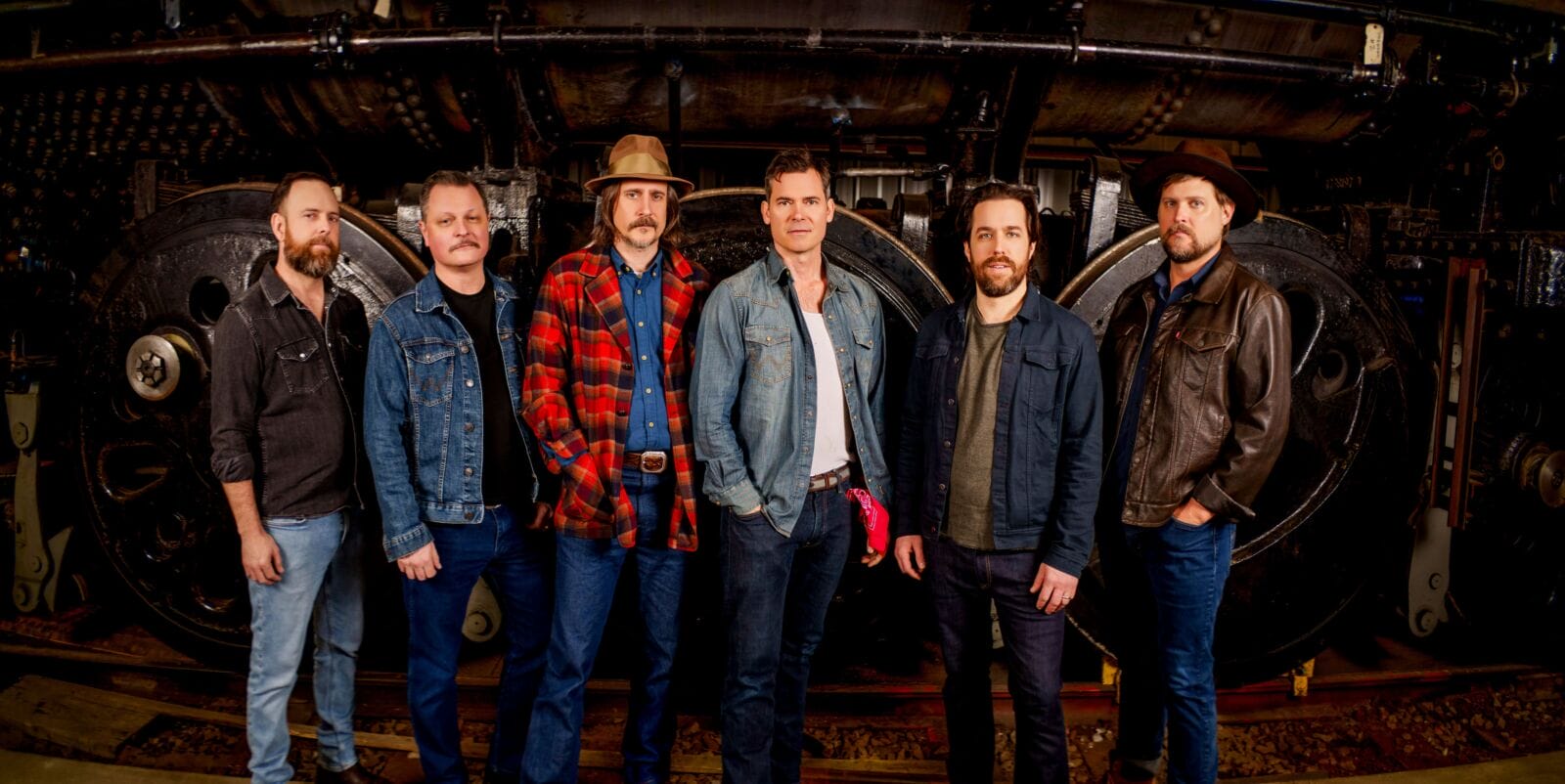
When Old Crow Medicine Show’s charismatic frontman Ketch Secor talks about his act, he mirrors its concerts — equal parts preacher, historian and troublemaker.
The Nashville-based band opens for longtime friend Darius Rucker at the Arizona Financial Theatre on Thursday, July 23. The concert defies expectations, he said.
“We’re a high-energy old-time string band,” he said.
“We’ve been at it almost as long as Darius has, meaning that we got our start in the ’90s, and ever since then we’ve been rocking and rolling with acoustic instruments in a pretty unique way. We play with the energy level of a rock show or a metal band, but with fiddles and banjos. It’s pretty remarkable for folks to bear witness to. It generally it turns you into a clogger by the third song, even if you’re just a suburban housewife.”
READ MORE: New entertainment venue The Nox will break ground in Mesa
Secor, the band’s mainstay and founder, has spent years dragging American roots music out of dusty archives and into packed venues, festival fields, and the Grand Ole Opry stage.
Secor talks about American music the way a cartographer talks about maps. His influences aren’t just musicians — they’re highways, migration routes, and the stories carried along them.
“One of my biggest songwriting influences is my Rand McNally 1995 Interstate American Roadmap,” he says.
Old Crow’s new album, “Union Made,” is a love letter to the country’s musical DNA. Secor sees it as a unifying force — for good — in a divided time.
“There is a lot of music that’s coming out that [makes] people feel more divided,” he said. “That’s a powerful tool. Division is one of the easiest punches to pull. It takes a little more time and, certainly, a little more integrity to figure out how to play music, put on a performance that draws from all people and be available to all people.
“Everyone’s so damn sensitive about their cause. I have a song for everybody out there. No matter what you believe, I guarantee you, I have an old country song that’s going to make you a believer. I have this great secret weapon to lean on in times of division — the power of the American song.”
“Union Made” features an impressive lineup of collaborators—from legends like Del McCoury, Ray Benson, and Lee Oskar to rising stars like Molly Tuttle and members of Turnpike Troubadours.
“It was kind of surreal how easy it was to land a whole bunch of collabs,” Secor says. “We didn’t think it was going to be the kind of record that was going to have eight guests on it.”
One of Old Crow Medicine Show’s songs is the renowned “Wagon Wheel.” Secor’s retelling of its origin is a folk tale in itself.
“When I was about 17, I rewrote this unfinished Bob Dylan song,” Secor explained.
He discovered a Dylan outtake from the “Pat Garrett & Billy the Kid” sessions — a fragment titled “Rock Me Mama.” Secor finished it and Old Crow Medicine Show released “Wagon Wheel” in 2004.
But the story goes deeper.
Dylan’s manager later told Secor that Dylan borrowed the chorus from bluesman Arthur “Big Boy” Crudup, who had learned it from Big Bill Broonzy, one of the most influential blues artists of the 1920s.
“If you believe the story, it starts in Chicago in the 1920s or even the teens with Big Bill Broonzy, makes its way to Memphis with ‘Big Boy’ Crudup by 1955. Then Bob Dylan records it in 1974. Then, then I finish it and fix it. And Old Crow records it in 2004. Then Darius records it in 2013. So, it takes basically 100 years to go No. 1 and become this amazingly powerful song.”
He has a “powerful sense of gratitude” to Rucker. “He took it places that I never could have.”
Despite a 15‑year friendship with Darius Rucker, Old Crow Medicine Show has never played a full, ticketed collaborative concert with him until this tour.
“This will be the first time anybody ever paid to see Old Crow and Darius at the same time,” Secor says.
For a band whose signature song is intertwined with Rucker’s voice, it’s a milestone that feels both overdue and perfectly timed.
Secor believes deeply in the resilience of old music. Depression‑era songs, he says, still speak to modern struggles.
“We’ve been in hardship before, and we can do it again,” he says. “We can come through these years with gusto, and the fat lady ain’t singing.”