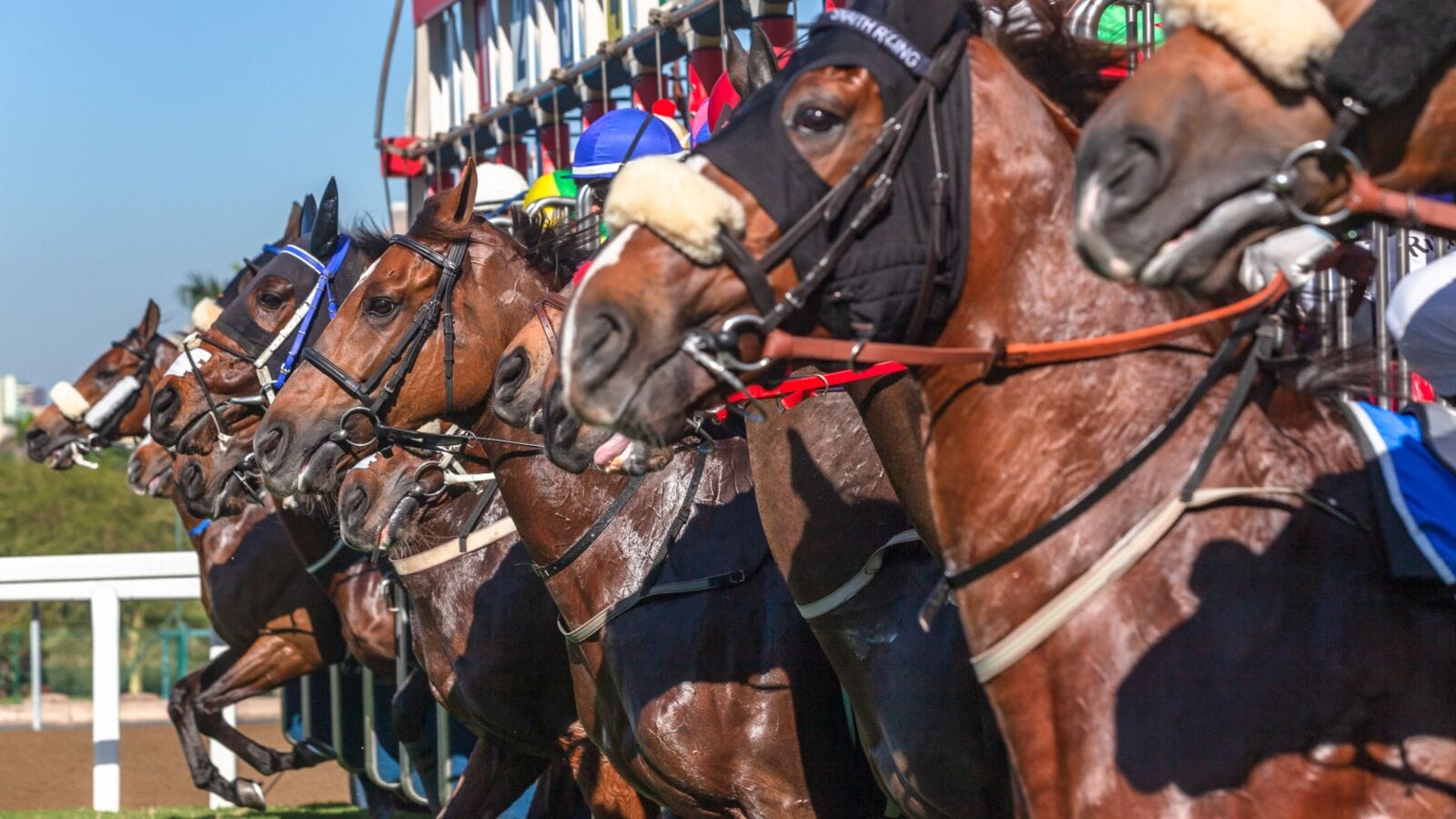
The Breeders’ Cup returns to Keeneland on October 30–31, bringing championship racing back to one of the sport’s most recognizable stages. For Arizona racing enthusiasts, preparation starts with understanding both the available wagers and the horses shaping the biggest races.
The betting menu ranges from straightforward selections to combinations involving several runners. Meanwhile, the Classic brings together accomplished older horses and emerging three-year-olds. Knowing how those two elements interact provides useful context before the gates open.
Win Bets Reward Confidence in a Single Horse
A Win bet is the most direct selection available. The bettor chooses one horse, and that runner must finish first. Second place may be an excellent performance, but it does not satisfy the wager.
Straight wagers such as Win are among the Breeders’ Cup betting options available through FanDuel. You don’t have to calculate finishing-position combinations. Attention stays entirely on whether the selected runner can defeat every rival in the field.
The structure places greater emphasis on conviction about one outcome. Handicappers can study recent form, distance suitability, pace, post position, trainer patterns, and competition before deciding whether one runner stands above the rest.
Among the three traditional straight wagers, Win has the narrowest qualifying outcome because only first place counts. That distinguishes it immediately from Place and Show. Bettors who like a horse but want another finishing position to qualify can instead move one step along that spectrum.
Place Bets Expand the Qualifying Positions
Place expands the conditions established by a Win bet. Instead of requiring the chosen horse to finish first, the wager qualifies when that runner finishes either first or second.
That extra finishing position changes the structure significantly. A horse can be beaten and still produce a successful Place ticket, creating more tolerance when a strongly regarded runner meets a rival capable of a superior performance.
The trade-off appears in the payout. Because two finishing positions can satisfy the wager, Place generally pays less than Win on the same horse. The bettor is exchanging some potential payout for broader qualifying conditions.
That distinction can suit bettors who strongly respect a horse’s ability without insisting it must win. Place therefore sits naturally between Win and Show. The former demands victory, while the latter expands the qualifying range again, completing the progression from narrow conditions to broader finishing-position coverage.
Show Bets Prioritize Consistency Over Big Payouts
Show represents the widest of the three traditional straight bets. A selected horse can finish first, second, or third, giving the wager three qualifying positions rather than the two available with Place.
That wider margin makes consistency especially relevant. Horses that regularly finish near the front without always winning can attract attention here because the wager doesn’t require them to beat every runner in the field.
The corresponding trade-off is typically a smaller payout. Expanding the number of successful outcomes changes the pricing, meaning Show generally pays less than Place, while Place generally pays less than Win on the same runner.
Together, the three wagers create a clear spectrum. Win offers one qualifying finishing position, Place offers two, and Show offers three. Once Arizona bettors understand that relationship, the next category represents a more substantial departure. With those basic wager structures established, bettors can turn their attention to the horses who may shape the major races at Keeneland.
Magnitude Could Bring Dubai Glory to Keeneland
Magnitude remains a notable name to monitor as the Breeders’ Cup Classic field develops. His 2026 campaign has already included major performances against older horses, giving handicappers substantial evidence to assess if he reaches Keeneland.
The Dubai World Cup provided the defining result. Magnitude captured one of international racing’s biggest dirt prizes before returning to the United States and adding the Stephen Foster, strengthening his standing among the country’s leading older runners.
His sixth-place finish in the Whitney Stakes complicated that momentum. Rather than extending his winning sequence, Saratoga provided another reference point for assessing how his form might translate to the different conditions awaiting potential Classic runners.
For Arizona bettors, Magnitude’s appeal as a potential contender comes from the breadth of that campaign. He has already faced demanding assignments in different environments. If trainer Steve Asmussen ultimately sends him to the Classic, that experience would provide an important comparison with younger horses seeking their first major success against older competition.
His upcoming training schedule and connections’ decisions will therefore remain important indicators of whether his campaign ultimately extends to Keeneland.
Golden Tempo Could Test Older Classic Rivals
Golden Tempo represents another potential Classic contender worth following as plans develop. The three-year-old has already established strong credentials against his own generation, making a possible meeting with accomplished older horses an intriguing next examination.
His Kentucky Derby and Belmont Stakes victories defined his spring. Those performances showed he could succeed in major races while establishing him among the most accomplished three-year-olds of the 2026 season.
The Travers subsequently provided a less straightforward result. Traffic interrupted his opportunity to produce his familiar late run, leaving handicappers to decide how much weight that performance deserves compared with his earlier Triple Crown successes.
Keeneland would also provide familiar surroundings if Golden Tempo progresses to the Breeders’ Cup Classic. He is based with trainer Cherie DeVaux at the Keeneland Training Center, adding a home-track dimension to his potential participation. Until the field is finalized, however, he is best viewed as a prominent candidate whose three-year-old résumé could eventually be tested against older rivals.
Further preparation and confirmation from his connections will determine whether that accomplished three-year-old campaign culminates with a Breeders’ Cup Classic appearance.
Keeneland Brings Every Element Together
The 2026 Breeders’ Cup combines two separate handicapping challenges. Bettors first need to understand what their chosen wager actually requires, whether that means a horse finishing first, within the top two, or within the top three.
Then comes the racing analysis itself. Magnitude brings international Grade 1 success, while Golden Tempo carries the credentials of a multiple Classic-winning three-year-old. With Keeneland hosting championship weekend, those contrasting profiles will meet on October 30–31. For Arizona enthusiasts, understanding both wager structure and contender form provides the essential foundation.