Investing in commercial refrigeration equipment is one of the most important decisions for any food service business. Whether you operate a restaurant, café, supermarket, convenience store, or catering company, reliable refrigeration is essential for preserving food quality, maintaining food safety standards, and ensuring smooth day-to-day operations.
With a wide range of models, features, and capacities available, selecting the right unit requires careful planning. Choosing equipment based solely on price can lead to higher operating costs, inadequate storage, or costly repairs in the future. Before making a purchase, consider these ten key factors to ensure you invest in Commercial Refrigeration equipment that meets your business needs.
Assess Your Storage Requirements
Begin by evaluating the volume and type of products you need to store. Fresh produce, dairy, frozen goods, beverages, and prepared meals all have different storage requirements.
Consider both your current inventory and your anticipated business growth. Purchasing equipment with sufficient capacity helps prevent overcrowding while allowing room for expansion without immediately requiring additional refrigeration units.
Choose the Right Type of Refrigeration Equipment
Commercial refrigeration comes in many forms, including upright refrigerators, undercounter units, walk-in coolers, display fridges, prep tables, and freezers.
Selecting equipment designed specifically for your operations improves workflow and efficiency. For example, a busy restaurant kitchen may benefit from refrigerated prep counters, while retail businesses often require attractive display refrigerators that showcase products to customers.
INDUSTRY INSIGHTS: The 100 Best Doctors in Arizona for 2026
LOCAL NEWS: The 20 biggest employers in Arizona
Prioritise Energy Efficiency
Energy consumption represents a significant portion of operating costs for commercial kitchens and food businesses. Energy-efficient commercial refrigeration equipment reduces electricity usage while maintaining consistent cooling performance.
Look for units with high energy-efficiency ratings, LED lighting, efficient compressors, and well-insulated cabinets. Although these models may require a higher initial investment, they often deliver considerable savings over the equipment’s lifespan.
Evaluate Temperature Performance
Consistent temperature control is critical for food safety and product quality. Refrigeration equipment should maintain stable temperatures even during frequent door openings or busy service periods.
Digital temperature controls, automatic defrost systems, and high-quality compressors help ensure reliable operation and minimise temperature fluctuations.
Consider Available Space
Before purchasing any equipment, carefully measure your available space. Take into account door clearances, ventilation requirements, ceiling height, and pathways used for delivery and installation.
Selecting equipment that fits comfortably within your workspace improves staff efficiency while ensuring proper airflow around the unit for optimal performance.
Focus on Build Quality and Durability
Commercial refrigeration equipment is designed for demanding environments, but build quality varies significantly between manufacturers.
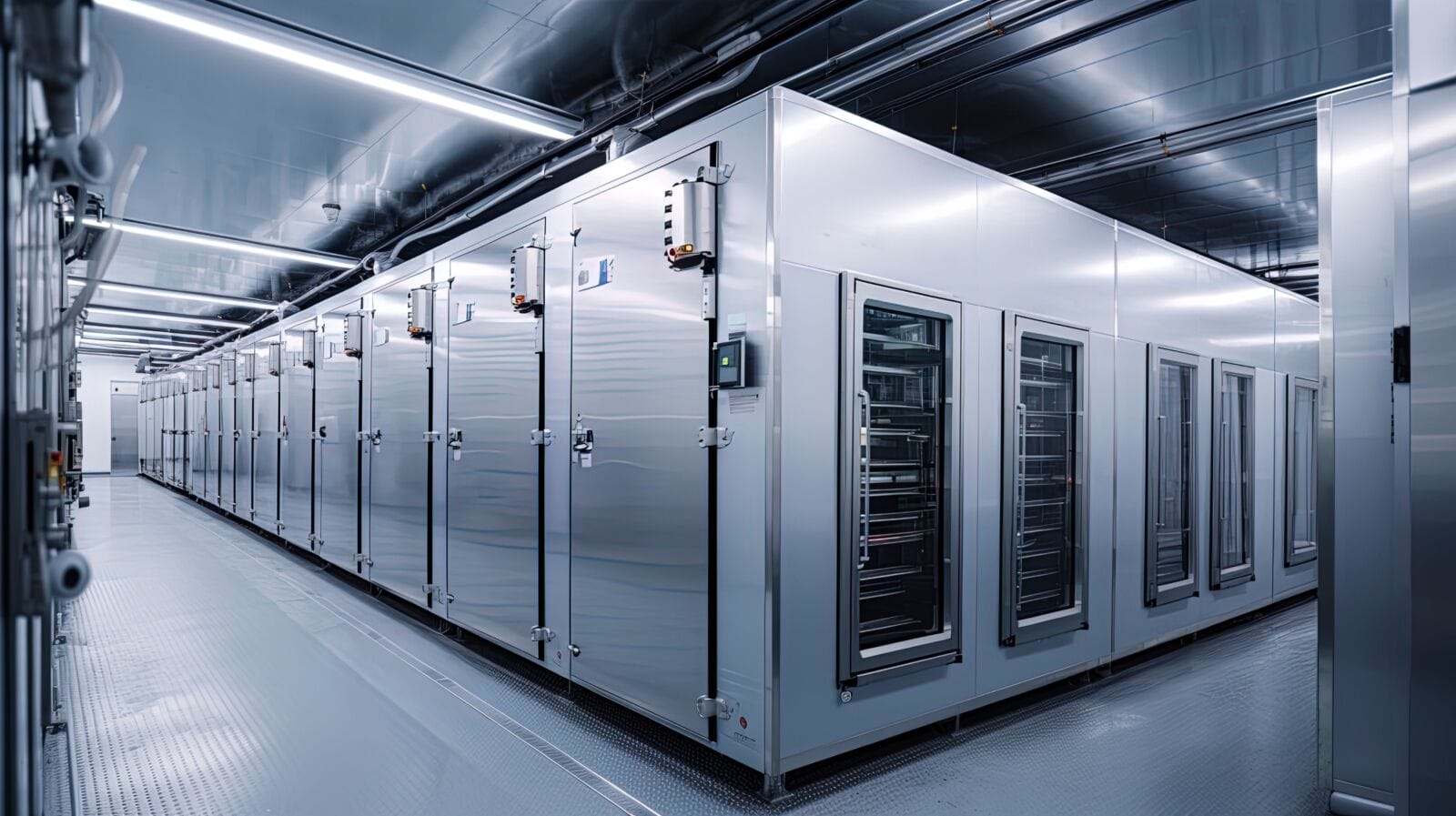
Stainless steel interiors and exteriors offer excellent durability, corrosion resistance, and ease of cleaning. Heavy-duty shelving, reinforced hinges, and quality door seals also contribute to longer equipment life and reduced maintenance costs.
Review Maintenance Requirements
Routine maintenance plays an important role in extending the lifespan of refrigeration equipment.
Choose models with easily accessible condenser coils, removable shelves, and simple-to-clean interiors. Equipment that is easier to maintain typically experiences fewer breakdowns and lower servicing expenses over time.
Additionally, confirm that replacement parts and qualified service technicians are readily available in your area.
Understand Warranty and After-Sales Support
A comprehensive warranty provides valuable protection for your investment. Compare warranty coverage for compressors, parts, and labour before making a decision.
Reliable after-sales support can make a significant difference if repairs become necessary. Purchasing from reputable suppliers with responsive customer service ensures minimal downtime when maintenance or technical assistance is required.
Ensure Compliance with Industry Standards
Commercial refrigeration equipment should comply with all relevant food safety, hygiene, and electrical regulations applicable to your industry.
Equipment that meets recognised industry standards provides greater confidence in performance, safety, and long-term reliability while helping your business remain compliant during inspections.
Balance Cost with Long-Term Value
While staying within budget is important, the cheapest option is not always the most economical choice.
Consider the total cost of ownership, including energy consumption, maintenance expenses, expected lifespan, warranty coverage, and repair costs. Investing in higher-quality commercial refrigeration equipment often delivers better performance, improved reliability, and lower operating costs throughout its service life.
Final Thoughts
Choosing the right commercial refrigeration equipment is a strategic investment that directly impacts food safety, operational efficiency, and business profitability. By carefully evaluating your storage needs, available space, energy efficiency, durability, maintenance requirements, and long-term operating costs, you can make a well-informed purchasing decision that supports your business for years to come.
Rather than focusing solely on the initial purchase price, prioritise equipment that offers dependable performance, quality construction, and reliable after-sales support. Taking the time to research your options will help ensure your commercial refrigeration equipment delivers consistent results, protects valuable inventory, and contributes to the long-term success of your business.